15 Oct 2026
Toddler Clothing: What Changes After the First Birthday
How clothing needs change once a baby starts walking, and what to prioritise for a busy toddler.
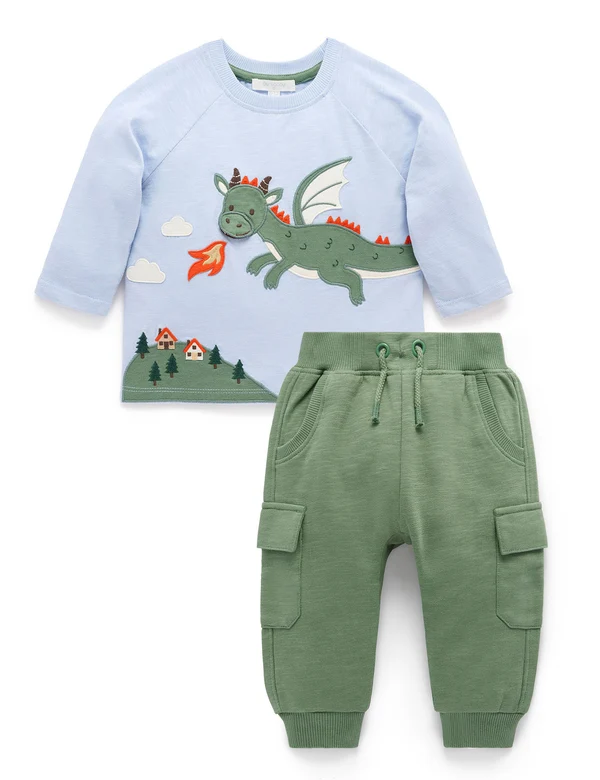
Toddler clothing needs change significantly after a baby's first birthday, especially when they start standing, walking, climbing and exploring their surroundings. Clothes that once worked well for a baby who spent much of the day lying down may become less practical for an active toddler. In Kenya, the best wardrobe focuses on comfortable fits, easy changes, durable fabrics and layers that suit changing weather.
You do not need to replace your child's entire wardrobe at 12 months. Instead, review what still fits, identify what makes movement easier and gradually introduce clothing that supports your toddler's growing independence.
How Toddler Clothing Changes After the First Birthday
The first birthday is not a strict deadline for changing clothing styles. Children develop at different rates, and some may walk early while others take longer. However, the transition from baby clothes to toddler clothes often brings a few practical changes.
More freedom for movement
As toddlers learn to stand, walk and climb, clothing needs to allow bending, squatting and crawling without pulling tightly across the knees, waist or shoulders.
Look for trousers with comfortable waistbands, flexible tops and fabrics that move easily with the body. Avoid clothing that restricts movement or has excessively long hems that could cause tripping.
More frequent outfit changes
Toddlers often get messy while eating, playing outdoors or exploring. You may need more spare tops and bottoms than you did when your child was younger, depending on your daily routine.
Choose clothes that can be washed frequently without needing special care. A practical everyday wardrobe is usually more useful than several delicate outfits that are difficult to clean.
Greater independence during dressing
Many toddlers begin showing interest in dressing themselves. They may pull at their socks, try to remove their tops or resist having clothes put on.
Simple designs can make dressing less stressful. Stretchy waistbands, wide neck openings and easy fastenings help caregivers change clothes more quickly while giving toddlers opportunities to participate.
What Clothes Does a One-Year-Old Need?
There is no universal number of outfits every toddler needs. The right quantity depends on laundry frequency, childcare arrangements, weather and how often your child gets dirty.
Use the following categories as a starting point when reviewing your toddler's wardrobe.
Clothing type
What to look for
Tops and T-shirts
Comfortable neck openings and breathable fabric
Trousers and leggings
Flexible waistbands and room for movement
Shorts
A comfortable fit that allows walking and play
Sleepsuits or pyjamas
Suitable sizing and comfortable sleepwear
Socks
A secure fit without tight elastic
Light layers
Cardigans or jumpers for cooler mornings and evenings
Outdoor clothes
Practical outfits for playgrounds, visits and travel
Extra outfits
Spare clothes for nursery, childcare or outings
If your child still wears suitable baby clothes, there is no need to discard them simply because they have turned one. Keep using garments that fit comfortably and are appropriate for their current stage.
For help checking sizes, use the Baby Clothing Size Guide for Kenya.
Choosing Toddler Clothes for Walking and Play
Once your child begins walking, practical details matter more than decorative features.
Choose a comfortable fit
Clothes should allow your toddler to move freely without slipping down, digging into the skin or bunching up around the legs. Check the fit while your child is standing, sitting and bending.
Avoid buying clothes that are so large that the sleeves cover the hands or the hems drag on the floor. Oversized garments can interfere with movement, while tight clothes may restrict comfortable play.
Children grow at different rates, so use measurements and garment fit rather than relying only on age labels.
Look for easy-care fabrics
Toddlers often need frequent changes, so clothing that washes easily can save time and effort.
Cotton and cotton-rich fabrics are common choices for everyday wear because they are generally comfortable and breathable. The best fabric also depends on the garment, weather and your child's individual comfort.
Check care labels before buying, particularly if the item needs delicate washing or special drying conditions. Clothes that fit into your normal laundry routine are more likely to be used regularly.
Check fastenings and small details
Choose garments with secure buttons, zips and other fastenings. Inspect clothing regularly for loose buttons, detached decorations, damaged zips and frayed seams.
Small detachable parts can present choking hazards for young children. Remove damaged or loose components rather than allowing your toddler to play in clothing that may become unsafe.
Consider footwear separately
As walking develops, parents may begin shopping for shoes. Choose footwear that fits properly and allows the toes to move comfortably. Check the fit regularly as feet grow.
When your toddler is indoors in a safe environment, suitable barefoot movement may help them practise balance and coordination. Outdoor footwear should suit the surface and activity.
Avoid choosing shoes solely because they look attractive or buying a much larger size in the hope that it will last longer.
Dressing a Toddler for Kenyan Weather
Kenya's weather varies by location, altitude and season. A toddler in Nairobi may need a light layer on a cool morning, while a child in a warmer coastal area may be more comfortable in lightweight clothing.
For Nairobi and cooler highland areas
Keep breathable everyday clothes available alongside a few light layers. Mornings and evenings can feel cooler than the middle of the day, so a cardigan or jumper can be useful when needed.
Dress your toddler according to the actual conditions rather than automatically adding several layers. Check whether the child feels comfortable, especially during active play.
For warmer areas
Lightweight, breathable clothing can help your toddler remain comfortable in warm conditions. Choose outfits that allow movement and avoid unnecessary layers when the weather is hot.
Protect your child from prolonged direct sun with shade, suitable clothing and age-appropriate sun protection. A hat can be useful outdoors when it stays comfortably in place and does not obstruct vision.
For changing weather
A simple layering system is usually more flexible than buying separate wardrobes for every season. Start with a comfortable base outfit and add or remove a layer when conditions change.
For more local advice, read Dressing Your Baby for Nairobi Weather.
Baby Clothes vs Toddler Clothes: What Is the Difference?
The labels can overlap, and some clothing designed for babies remains suitable after the first birthday. The important difference is whether the garment fits your child's size, movement and daily routine.
Feature
Baby clothing
Toddler clothing
Main priority
Comfort, easy changing and suitable fit
Comfort, mobility and active play
Common designs
Bodysuits, sleepsuits and soft separates
T-shirts, trousers, shorts and flexible separates
Fastenings
Often designed for frequent nappy changes
May allow easier dressing and undressing
Durability
Depends on fabric and construction
Frequent washing and active play make durability especially useful
Sizing
Often labelled by age or baby size
May use age ranges, height or other measurements
These are general patterns rather than strict rules. Some toddlers continue to prefer bodysuits, and some baby garments remain useful well beyond 12 months if they fit correctly.
How to Save Money When Moving to Toddler Clothes
You do not need to purchase a complete new wardrobe at once. A gradual approach helps you avoid wasting money on clothing your child may outgrow quickly.
Review what already fits
Take out your child's current clothes and check each item for fit, comfort and condition. Separate garments into those that still fit, those that are becoming tight and those that have been outgrown.
Keep suitable items in rotation and replace only what is genuinely needed.
Buy versatile separates
Tops and bottoms that coordinate with several other pieces make it easier to create different outfits from a smaller wardrobe.
Choose a few colours that work together and prioritise everyday clothing before adding special-occasion outfits. This also makes it easier to replace a single worn-out item rather than an entire set.
Avoid buying too far ahead
Buying a few pieces in the next size can be sensible when your child is approaching a growth change. Buying a full wardrobe several sizes ahead is riskier because growth rates, weather and preferences can change.
For more guidance, see Should You Size Up Baby Clothes?.
Use hand-me-downs carefully
Clothes from an older sibling or another family can reduce costs if they are clean, in good condition and suitable for your toddler.
Check for loose buttons, broken fastenings, damaged seams and stretched openings. Do not use garments that are unsafe or so worn that they no longer fit properly.
Spend according to daily needs
If your toddler attends childcare, plays outdoors regularly or often gets messy at mealtimes, practical everyday clothes may deserve a larger share of your budget.
If you mainly need clothes for home, you may be able to reuse more of what you already own. Let your family's routine guide your purchases.
Common Toddler Clothing Mistakes to Avoid
Buying by age alone: Age labels are only a guide. Check the garment measurements and actual fit.
Choosing style over comfort: Attractive outfits are less useful if they restrict movement or are difficult to wash.
Keeping outgrown clothes in daily rotation: Tight waistbands, short sleeves and restricted movement can make clothing uncomfortable. Review the fit regularly.
Buying too many special outfits: Toddlers often need everyday clothing more frequently than formal clothes.
Ignoring safety details: Check for loose decorations, damaged fastenings, long hems and other hazards.
Overdressing in warm weather: Too many layers can make an active toddler uncomfortable. Adjust clothing to the conditions and activity.
Frequently Asked Questions
When should I switch from baby clothes to toddler clothes?
There is no exact age when every child needs to switch. Start choosing toddler-style clothing when your child's current garments no longer fit comfortably or suit their movement and daily routine.
What size clothes does a one-year-old wear in Kenya?
It varies by child and brand. Use the garment's size chart and your child's measurements where available rather than assuming every one-year-old wears the same size.
Do toddlers still need bodysuits?
Some toddlers continue wearing bodysuits if they fit well and suit their needs. Others find separates easier for movement, dressing and toilet-training preparation as they get older.
What are the best clothes for a toddler who is learning to walk?
Choose comfortable, well-fitting clothes that allow free movement, with flexible waistbands and hems that do not drag on the ground. Footwear should fit properly and suit the environment.
How many outfits does a toddler need?
It depends on how often you do laundry and how many changes your child needs each day. Start with your current routine, count the clothes you already own and add only enough to cover the gaps.
Should I buy toddler clothes in a larger size to save money?
A little room for growth may be practical, but clothes should still fit safely and comfortably now. Avoid garments that are excessively long, loose or difficult for your child to move in.
Final Thoughts
Toddler clothing after the first birthday is about adapting to your child's changing size, movement and routine, not replacing everything in the wardrobe. Keep suitable baby clothes, choose comfortable everyday outfits, check fit regularly and add new pieces only when needed.
A small collection of versatile, easy-care clothing can help your toddler stay comfortable while keeping shopping manageable for your family.
Shopping for your little one?
Browse the collection