
9 Oct 2026
Safe Sleep and Sleepwear: What Baby Should Wear at Night
Learn what your baby should wear at night, how to use sleep sacks safely, how to avoid overheating and the essential safe-sleep practices for Kenyan families.
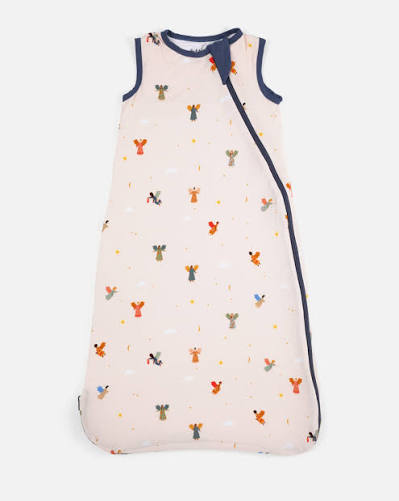
Choosing safe sleepwear for your baby means keeping them comfortably warm without overheating and creating a safe sleeping environment free from loose bedding. For parents in Kenya, the key principles are simple: place your baby on their back, use a firm and flat sleep surface, keep the cot clear of pillows and loose blankets, and choose clothing appropriate for the room temperature.
The best baby sleepwear night routine does not depend on dressing your baby in as many layers as possible. Instead, choose comfortable clothing, adjust it to the conditions and check your baby's warmth regularly.
What Is Safe Sleep for Babies?
Safe sleep means arranging your baby's sleeping space to reduce the risk of sleep-related accidents and sudden unexpected infant death.
For every sleep, including daytime naps, follow these core principles:
Place your baby on their back.
Use a firm, flat and level mattress designed for infant sleep.
Keep the sleeping space free from pillows, duvets, loose blankets, toys and other soft objects.
Avoid overheating.
Keep your baby's head uncovered indoors during sleep.
Use a cot or bassinet that meets applicable safety requirements.
Keep your baby in the same room as you, in their own separate sleep space, where possible and in line with local health guidance.
These measures matter whether your baby sleeps in a cot, bassinet or another appropriate infant sleep space.
What Should a Baby Wear to Bed?
The right sleepwear depends on your baby's age, the room temperature, the thickness of the clothing and whether you use a wearable blanket or sleep sack.
A comfortable starting point is a breathable sleepsuit or suitable nightwear that covers the body without restricting movement. In a cooler room, an additional light layer or appropriately rated sleep sack may help.
Avoid choosing sleepwear based only on the outdoor temperature. A bedroom may be warmer or cooler than the conditions outside.
Sleeping conditions Sleepwear to consider What to check
Warm room Lightweight, breathable sleepsuit or suitable baby nightwear Watch for sweating or a hot chest
Comfortable room Appropriate sleepsuit Avoid adding unnecessary layers
Cool room Warmer sleepwear or suitable sleep sack, following its guidance Check your baby's chest or back
Changing temperatures Adjustable clothing layers Remove a layer if your baby becomes too warm
This is a general guide rather than a strict temperature chart. Always consider the clothing thickness and the sleep sack manufacturer's instructions.
How to Dress a Baby for Sleep During Nairobi's Cooler Months
Nairobi can have chilly nights, particularly during the cooler June-to-August period. However, the temperature inside a home can differ considerably from the outdoor temperature.
For cooler nights:
Start with comfortable, breathable nightwear.
Add a light layer if the room is cool.
Consider a suitable baby sleep sack if additional warmth is needed.
Follow the sleep sack's temperature and clothing guidance.
Check your baby's chest or back of the neck to assess warmth.
Remove excess layers if your baby becomes hot.
Do not automatically add thick blankets or several heavy garments just because it feels cold outside.
For more seasonal advice, see our guide to dressing your baby for Nairobi weather.
What Is a Baby Sleeping Bag?
A baby sleeping bag, also called a sleep sack or wearable blanket, is designed to provide warmth while being worn by the baby. Unlike a loose blanket, it is made to fit around the baby's body according to the product's design.
A properly selected sleeping bag baby product may help parents maintain a consistent sleepwear routine without placing loose bedding in the cot.
However, not every sleeping bag is suitable for every baby or room temperature.
Before buying, check:
The manufacturer's recommended age and size
The baby's weight range, if specified
The product's temperature or tog guidance
Whether the neck opening fits securely
Whether the arm openings are appropriate
The manufacturer's washing instructions
Whether the design allows safe movement
The sleep sack should fit correctly. It must not be so large that your baby can slip down inside it, and it should not restrict breathing or movement.
What Does Tog Mean on a Baby Sleeping Bag?
Some sleep sacks use a tog rating to indicate thermal insulation. A higher tog rating generally indicates more insulation, but the warmth your baby experiences also depends on the room temperature and the clothing worn underneath.
There is no single tog rating that is best for every home.
When choosing a sleep sack, follow the manufacturer's room-temperature chart and clothing recommendations. Do not add extra layers automatically simply because the night feels cold.
If the room temperature changes during the night, check your baby and adjust their clothing safely.
Why Are Loose Blankets Discouraged?
Loose blankets can move over a baby's face during sleep and create a risk of suffocation or overheating.
For this reason, safe-sleep guidance recommends keeping loose bedding out of an infant's sleeping space.
Avoid placing the following items in the cot or bassinet:
Loose blankets
Duvets and quilts
Pillows
Soft toys
Cot bumpers
Loose bedding
Positioning products that are not medically recommended
If your baby needs additional warmth, choose appropriate clothing or a properly fitted wearable blanket rather than covering them with loose bedding.
Do not cover your baby's head during sleep.
How Can You Tell If Your Baby Is Too Hot?
Overheating is a concern even during cool weather.
Signs that your baby may be too warm include:
A hot chest or back
Sweating
Damp hair
Flushed skin
Rapid breathing
Unusual restlessness
If your baby feels too warm, remove a layer and reassess the room.
Cold hands and feet alone do not necessarily mean that your baby is cold. Check the chest or back of the neck for a more useful indication of overall warmth.
If your baby is difficult to wake, has abnormal breathing or appears seriously unwell, seek urgent medical attention.
Should Babies Wear Hats While Sleeping?
Babies generally should not wear hats indoors during sleep unless a healthcare professional has specifically advised otherwise.
Babies release excess heat through their heads, and a hat can contribute to overheating.
If the room is cold, adjust suitable clothing or use an appropriate sleep sack according to its instructions rather than relying on a hat.
Is It Safe to Swaddle a Baby?
Swaddling involves wrapping a baby snugly in a suitable cloth or swaddle product. Some families use it to help settle a young baby, but it must be done correctly.
If you swaddle your baby:
Always place the baby on their back.
Keep the wrapping away from the face.
Avoid tight wrapping around the chest.
Allow room for the hips and legs to bend and move.
Avoid overheating.
Stop swaddling as soon as your baby shows signs of trying to roll.
Never use weighted swaddles or weighted sleep products for an infant.
If you are unsure whether swaddling is appropriate, ask your healthcare professional for guidance. A correctly sized, non-weighted sleep sack that leaves the arms free may be a practical alternative.
What Should a Newborn Wear at Night?
Newborns need particular attention because they cannot adjust their clothing themselves and may have difficulty regulating their temperature.
For a newborn:
Choose comfortable clothing that fits properly.
Avoid tight neck openings or clothing that restricts movement.
Use layers appropriate for the room.
Keep the head uncovered during indoor sleep.
Use a suitable sleep sack only if it fits correctly and follows the manufacturer's guidance.
Avoid loose blankets and pillows.
Babies born prematurely or with medical conditions may need specific advice about temperature and sleepwear. Follow the guidance provided by your healthcare team.
What About Babies Who Kick Off Their Blankets?
Rather than repeatedly replacing a loose blanket, consider whether your baby's sleepwear is suitable for the room temperature.
A properly fitted sleep sack may provide a more consistent option for warmth, provided the product is suitable for your baby's age, size and sleeping conditions.
Do not use weighted blankets or add heavy bedding to prevent your baby from moving.
Choosing Safe Baby Sleepwear in Kenya
When shopping for baby nightwear in Kenya, compare comfort and safety as well as appearance.
Look for:
Soft, breathable material
A comfortable fit
Secure fastenings
No loose cords or ribbons
No detachable decorations that could become hazards
Clear washing instructions
Appropriate sizing
Sleep sack temperature guidance, where applicable
Avoid sleepwear that is too tight or excessively thick for the sleeping environment.
If you are shopping online, check the garment's size information carefully. Babies grow quickly, but sleepwear should still fit safely rather than being bought several sizes too large.
You can also refer to our Baby Clothing Size Guide Kenya to understand how to choose a suitable clothing size.
Should a Baby Sleep in a Cot or in an Adult Bed?
The safest arrangement is generally for a baby to sleep on their back in their own separate cot or bassinet, with a firm, flat mattress and no loose bedding.
Room-sharing allows parents to keep the baby nearby without placing the baby on an adult sleep surface.
Adult beds, sofas and armchairs can create additional risks, particularly if a parent falls asleep while holding or feeding the baby.
Never sleep with a baby on a sofa or armchair. If you bring your baby into bed to feed or comfort them, return them to their own sleep space before you go to sleep.
If you are exhausted and worried about falling asleep while feeding, seek advice from your healthcare provider about safer ways to manage night feeds.
A Simple Bedtime Routine for Safe Sleep
A consistent routine can make bedtime easier while helping you remember the safety essentials.
Before sleep:
Change your baby into suitable nightwear.
Check whether the room feels warm, comfortable or cool.
Adjust clothing layers as needed.
Check that the sleep sack, if used, fits correctly.
Place your baby on their back.
Make sure the sleep space is firm, flat and free from loose objects.
Keep your baby's head uncovered.
You do not need expensive sleep accessories to create a safer routine. Correct positioning, a clear sleep space and appropriate clothing are more important than decorative bedding or elaborate products.
Common Baby Sleepwear Mistakes
Dressing for the outdoor temperature
Your baby's bedroom may be warmer or cooler than the weather outside. Assess the actual sleeping environment.
Using thick blankets
Loose blankets can cover the face or contribute to overheating. Choose suitable sleepwear instead.
Adding too many layers
Excessive clothing can make a baby too hot, even on a chilly night.
Choosing an oversized sleep sack
A sleep sack should fit according to the manufacturer's size guidance so your baby cannot slip inside it.
Covering the baby's head
Avoid indoor hats during sleep unless specifically advised by a healthcare professional.
Using pillows or soft toys
Keep the infant sleep space clear of pillows, toys and other soft objects.
Continuing to swaddle after rolling begins
Stop swaddling as soon as your baby shows signs of trying to roll.
Frequently Asked Questions
What should a baby wear to sleep at night?
Choose comfortable, breathable sleepwear appropriate for the room temperature. If additional warmth is needed, consider a suitable sleep sack and follow its instructions. Avoid loose blankets and excessive layers.
Is a baby sleeping bag safer than a blanket?
A correctly fitted, appropriate baby sleep sack can provide warmth without introducing loose bedding into the sleep space. It must be suitable for your baby's size and the room temperature.
Should babies wear socks to bed?
It depends on the clothing, room temperature and baby's comfort. If socks are used, make sure they fit properly and do not become too tight. Avoid adding socks and other layers automatically if your baby is already warm.
How do I know if my baby is overheating?
Check the chest or back of the neck. A hot chest or back, sweating, damp hair and flushed skin can indicate that your baby is too warm. Remove a layer and reassess.
Can my baby sleep with a blanket in cold weather?
Loose blankets are discouraged for infant sleep because they can cover the face and create a suffocation risk. Use appropriate sleepwear or a suitable wearable blanket instead.
Should a baby wear a hat while sleeping?
Babies generally should not wear hats indoors during sleep unless a healthcare professional has specifically advised otherwise, because hats can contribute to overheating.
Final Safe-Sleep Tips for Parents
The safest baby sleepwear is clothing that keeps your baby comfortably warm without overheating. Combine it with a firm, flat sleep surface, back sleeping and a clear cot or bassinet.
For parents in Kenya, the same core principles apply during warm days and chilly Nairobi nights. Check your baby's temperature, choose suitable layers, avoid loose bedding and seek professional advice if your baby has specific health or temperature-regulation needs.
Shopping for your little one?
Browse the collection