15 Oct 2026
Potty Training Clothes: What Makes It Easier
Which clothing styles make potty training simpler, and what to avoid during the transition.
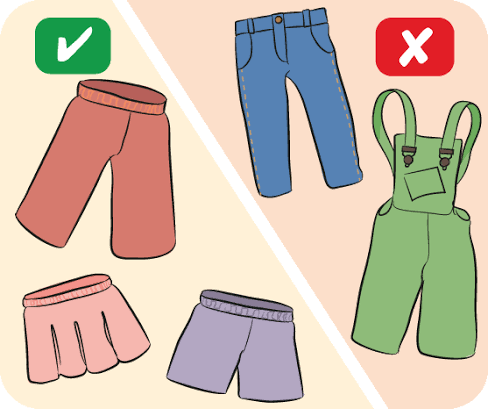
The best clothes for potty training are comfortable, easy to pull down and simple to change after an accident. For toddlers in Kenya, elastic-waist trousers, loose shorts, simple dresses and easy-to-remove underwear can make toilet trips less stressful while helping children practise independence.
You do not need to buy a completely new wardrobe to begin potty training. A few practical changes to the clothes your child wears at home, nursery or daycare can make the transition easier for both the toddler and caregiver.
Why Clothing Matters During Potty Training
Potty training involves learning to recognise body signals, communicate the need to use the toilet and manage clothing. Complicated outfits can make these new skills harder to practise.
When a toddler needs help with several buttons, tight trousers or multiple layers, they may struggle to reach the potty in time. Simple clothing gives them a better opportunity to act quickly and participate in the process.
Good potty training clothes should:
Be easy for small hands to pull down and up.
Fit comfortably around the waist and legs.
Allow movement without dragging on the floor.
Be easy to wash after accidents.
Avoid complicated fastenings.
Suit the weather and the child's daily routine.
Children develop at different rates, so clothing alone will not determine when potty training succeeds. The goal is to remove avoidable obstacles while your toddler learns.
The Best Clothes for Potty Training
Elastic-waist trousers and shorts
Elastic-waist trousers and shorts are often among the most practical options for potty training. Toddlers can practise pulling them down and up without having to manage a zip, button or belt.
Choose an elastic waistband that stays in place without squeezing the child's tummy. The garment should also have enough room for sitting, squatting and walking.
For everyday use, simple cotton or cotton-rich shorts and trousers can be useful because they are generally comfortable and easy to wash. Choose fabrics and care instructions that suit your household's laundry routine.
Loose dresses and skirts
For toddlers who wear dresses or skirts, simple designs can make toilet trips easier. Choose garments that can be lifted quickly and do not require several layers to be removed.
Avoid long hems that drag on the floor or get in the way when your child sits on the potty. If your toddler wears underwear underneath, practise moving each layer out of the way before a toilet trip.
Easy-to-remove underwear
When your child is ready to wear underwear, choose a comfortable fit that they can pull down and up with minimal help. Waistbands should not be so tight that the child struggles to remove them.
Let your toddler practise during calm moments, such as before getting dressed. This helps them become familiar with the movement without the pressure of needing the toilet immediately.
Some families use training pants during the transition. These can help manage small accidents, but they are not a substitute for easy access to the potty or regular opportunities to use it.
Simple tops
Choose tops that do not need to be completely removed during toilet trips. T-shirts, light tops and other uncomplicated designs are often practical for everyday wear.
Avoid long tops that get caught under the child or touch the toilet or potty. A comfortable fit helps children move independently without becoming distracted by their clothes.
Clothes to Avoid During Potty Training
Some outfits look attractive but can make toilet trips slower or more difficult.
Clothing type
Why it may be difficult
Easier alternative
Jeans with tight buttons and zips
Difficult to open quickly
Elastic-waist trousers
Belts and braces
Add extra steps during toilet trips
Simple waistbands
Bodysuits with multiple fastenings
Require extra time to undo
Separate tops and bottoms
Tight leggings or trousers
Can be difficult to pull down quickly
A comfortable, flexible fit
Rompers and dungarees
May require several fastenings to remove
Separate shorts and tops
Multiple layers
More clothing to manage
One comfortable outfit with a removable layer
Long trousers that drag
Can get in the way or become soiled
Correctly sized trousers
You do not have to ban these clothes entirely. They may still be suitable for outings or special occasions, but simpler outfits can make practice easier during the early stages.
How Many Potty Training Clothes Do You Need?
You can start with the clothes you already own. The number of extra outfits needed depends on how frequently your child has accidents, how often you do laundry and whether the child attends nursery or daycare.
A practical starting plan is to set aside:
Several pairs of comfortable trousers or shorts.
Enough underwear for regular changes.
A few easy-to-remove tops.
Spare clothes for outings or childcare.
A waterproof bag for transporting soiled clothing.
Extra socks if accidents or spills frequently affect them.
Treat this as a starting point, not a fixed shopping list. If you wash clothes daily, you may need fewer spares. If your toddler spends long days away from home, keep a larger set of clean clothes available.
Before buying more, check what already fits. You may only need to replace tight waistbands, complicated outfits or clothes that are difficult to wash.
For more guidance on fit, see the Baby Clothing Size Guide for Kenya.
Potty Training at Home, Nursery and on Outings
Clothing needs may change depending on where your toddler spends the day.
At home
Choose the simplest outfits available. Elastic-waist shorts, trousers or easy-to-manage dresses allow your child to practise without unnecessary fastenings.
Keep spare clothes in a convenient place so you can respond calmly after accidents. Avoid making clothing changes feel like a punishment.
At nursery or daycare
Ask the caregiver what clothing works best with their toilet routine. Some settings may request several spare outfits, underwear and a labelled bag for wet or soiled clothes.
Choose clothes your toddler can manage with the level of help available. If the child is still learning, avoid sending them in a complicated outfit simply because it looks smart.
When travelling or visiting family
Pack a spare outfit, underwear and a bag for soiled clothes. Choose clothing that can be changed easily in a public toilet or another unfamiliar setting.
Your toddler may be less comfortable using a different toilet or potty. Simple clothing can help, but allow extra time and keep expectations realistic.
Should You Use Nappies, Training Pants or Underwear?
There is no single approach that suits every child. Families may choose daytime underwear, reusable training pants or other options depending on the toddler's readiness and their circumstances.
Training pants can help contain some moisture, but they may feel different from ordinary underwear. Some children find them convenient; others may benefit from a more consistent clothing routine.
Nappies may still be used at night or during other stages of the transition. Daytime toilet learning and staying dry overnight are separate developmental skills, and children may achieve them at different times.
Choose an approach that is manageable for your family and consistent with the guidance of your child's healthcare professional when needed. Avoid pressuring a toddler to stop using nappies before they are ready.
Make Dressing Part of the Learning Process
Potty training is not only about reaching the toilet. It also gives children a chance to practise small self-care skills.
Try these simple habits:
Practise pulling trousers down and up when there is no immediate toilet pressure.
Let your toddler choose between two suitable outfits.
Use the same simple clothing routine each day where possible.
Give your child time to try before stepping in to help.
Praise effort and participation rather than expecting every attempt to be successful.
Respond calmly when accidents happen.
If clothing repeatedly frustrates your toddler, simplify it further. A more manageable outfit may help them feel capable and reduce stress during toilet trips.
Keeping Potty Training Clothes Clean
Accidents are a normal part of learning for many children. Handle soiled clothing calmly and follow the garment's washing instructions.
Keep wet or soiled clothes separate from clean items during transport. Wash them appropriately and allow them to dry fully before reuse.
Choose clothes that tolerate regular washing without complicated care. This is especially helpful when accidents happen more than once in a day.
If your toddler develops persistent skin irritation, discomfort when urinating, constipation or other concerning symptoms, seek advice from a qualified healthcare professional rather than assuming the problem is only related to potty training.
Frequently Asked Questions
What are the easiest clothes for potty training?
Elastic-waist trousers, shorts, simple dresses and easy-to-remove underwear are practical choices. They help toddlers manage clothing with fewer steps during toilet trips.
Should my toddler wear underwear or training pants?
It depends on your child's readiness and your family's routine. Underwear is easy to pull down, while training pants may help manage some accidents. Neither option guarantees faster progress.
Are jeans suitable for potty training?
They can be, but tight jeans with buttons, zips or belts may slow toilet trips. Choose a flexible, easy-to-remove pair if your toddler prefers jeans.
How many spare outfits should I send to nursery?
Ask the nursery or daycare about its policy. The number depends on how long your child stays there, their current needs and how often clothing changes are required.
Should I buy special potty training clothes?
Usually, no. Start with comfortable clothes you already own. Buy replacements only if the current wardrobe has tight waistbands, complicated fastenings or too few practical options.
What if my toddler cannot pull their trousers down independently?
Continue offering help while giving them opportunities to practise. Choose a looser, easy-to-manage waistband and remember that children develop self-care skills at different rates.
Final Thoughts
Potty training clothes should make toilet trips easier, not add another challenge. Choose comfortable outfits with simple waistbands, avoid unnecessary layers and keep spare clothes available for accidents.
You do not need an expensive new wardrobe. A few practical adjustments can help your toddler practise independence while keeping everyday routines manageable for the whole family.
Shopping for your little one?
Browse the collection