2 Oct 2026
Newborn Clothing Checklist for Kenya: What to Buy and How Many
A practical newborn clothing checklist for Kenya covering what to buy, how many of each item you need, clothing sizes, weather considerations and how to plan your KSh budget.
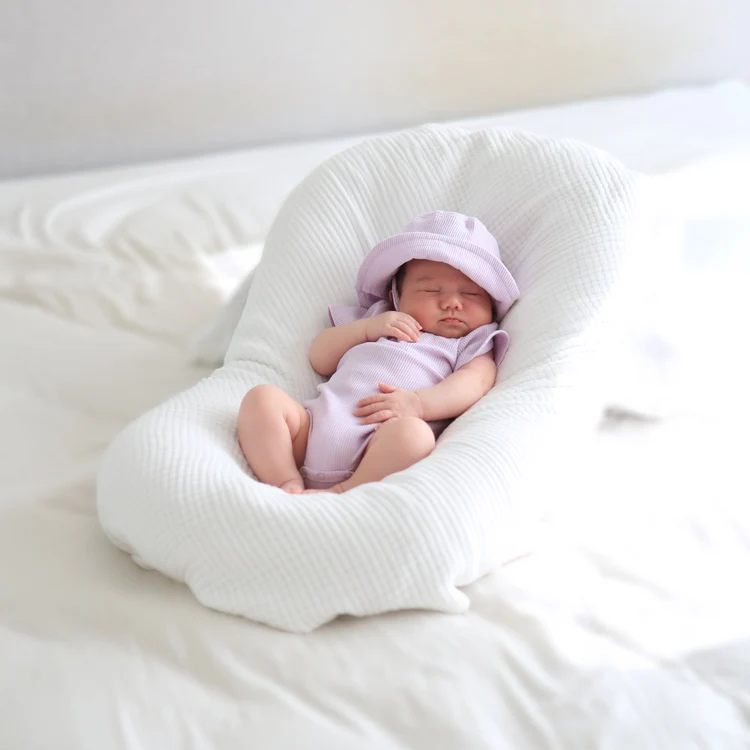
For the first month, a newborn's clothing needs can be kept simple: bodysuits or vests, sleepsuits, socks or booties, hats where appropriate, and a few extra outfits for changes. The right quantity depends on how often you wash clothes, how often your baby needs changing, the weather and whether you are buying newborn or slightly larger sizes.
This newborn clothes checklist Kenya guide explains what to buy, how many pieces to start with, and how to plan your budget without buying more than your baby is likely to use.
Newborn clothing essentials
You do not need a large wardrobe for a newborn. Babies can outgrow their earliest clothes quickly, and frequent washing means a relatively small rotation can work well.
A practical starting list includes:
Clothing item Suggested starting quantity Why you need it
Short-sleeved or long-sleeved bodysuits/vests 5–7 Useful as everyday base layers
Sleepsuits/onesies 5–7 Comfortable for sleeping and everyday wear
Trousers or leggings 2–4 Useful for outfits and cooler conditions
Socks or booties 3–5 pairs Helps keep feet comfortable when needed
Soft hats 1–2 Useful when appropriate for the weather or situation
Light cardigans/jumpers 1–2 Useful for cooler conditions
Going-home outfit 1 A practical outfit for leaving hospital or travelling home
Extra outfit 1–2 Useful for unexpected spills or changes
These quantities are a starting point rather than a fixed rule. Some families may need more if washing is less frequent, while others may need fewer if laundry is done regularly.
How many newborn clothes do you really need?
The easiest way to decide is to think about how many complete changes you want available between washes.
Newborns can need frequent clothing changes because of milk spills, nappy leaks and other messes. Having several basic outfits available means you do not have to wash clothes immediately after every change.
For many families, starting with around five to seven everyday changes is more practical than buying a large wardrobe.
You can then add more clothes after seeing what your baby actually uses.
A simple first-month approach
Think in three groups:
Everyday basics: These are the clothes your baby will wear repeatedly, such as bodysuits and sleepsuits.
Weather layers: These are extra layers for cooler mornings, evenings or indoor environments when needed.
Special outfits: These include the outfit for leaving hospital, family visits or other occasions.
The everyday basics should make up most of the wardrobe.
What to buy for a newborn in Kenya
Kenyan weather varies considerably by location and season, so your newborn shopping list should reflect where you live.
A baby in Nairobi may need different layers from a baby living in Mombasa or another warmer coastal location. Even within the same location, clothing needs can change between warmer days and cooler periods.
Rather than buying a large quantity of heavy or very light clothing, build a flexible wardrobe using layers.
For warmer conditions
Lightweight clothing can be useful when temperatures are warm.
Consider:
Lightweight bodysuits or vests
Comfortable sleepsuits
Lightweight trousers where needed
Socks or booties when appropriate
A light layer for cooler periods
Avoid assuming that a newborn needs to be heavily dressed simply because they are small. Clothing should be appropriate for the surrounding conditions.
For cooler conditions
In cooler areas or during colder periods, additional layers can be useful.
Consider:
Long-sleeved bodysuits
Sleepsuits
Trousers
Socks
Light cardigans or other suitable layers
The goal is to provide comfortable layers rather than buying large quantities of thick clothing that may only be used occasionally.
Newborn clothes checklist for hospital and going home
If you are preparing for delivery, keep the baby's first outfit easy to find.
A simple going-home set can include:
One clean bodysuit or vest
One sleepsuit or comfortable outfit
Socks or booties if needed
A suitable outer layer depending on the weather
A spare outfit
Keep the clothes clean and packed where they are easy to access.
If your hospital has provided a specific list of items to bring, follow that list as well.
Newborn shopping list: sizes to consider
One common mistake is buying almost everything in newborn size.
Babies grow quickly, and newborn clothing may only be useful for a relatively short period depending on the baby's size and growth.
A more flexible approach is to have a small selection of newborn-sized clothing and some pieces in the next size.
Before buying large quantities, check the individual product's size information because clothing labels are not completely standardised between brands.
If you are unsure, measuring your baby after birth can help you choose the next purchases more accurately.
What fabrics and features should you look for?
For newborn clothing, comfort and practicality are more important than having a large variety of styles.
Look for clothing that is:
Comfortable against a baby's skin
Easy to put on and remove
Easy to wash
Suitable for the weather
Appropriately sized
Free from unnecessary features that could make dressing difficult
Fastenings can also make a difference. Designs that allow easier access for nappy changes can save time, particularly during the first few weeks.
Soft, comfortable clothing that can withstand regular washing is generally more useful than buying many outfits that are difficult to maintain.
How many newborn outfits should you pack?
If you are preparing a hospital bag, check the requirements given by your hospital or maternity facility first.
For the baby, you can prepare a small number of complete outfits rather than packing the entire newborn wardrobe.
A practical approach is to pack several basic changes plus at least one spare outfit.
Keep in mind that the number required will depend on how long you expect to stay, the hospital's requirements and whether laundry or additional clothes can be brought later.
Newborn clothing budget in Kenya
Your total spending depends on the number of pieces you buy, the brands and materials selected, the size range and where you shop.
Because Babybasics product prices and stock can change, a realistic budget should be calculated from the current prices of the items you actually intend to purchase, rather than relying on a fixed figure.
For planning purposes, you can divide your newborn clothing budget into three levels:
Budget level What it could cover Recommended approach
Basic Essential everyday clothing Prioritise bodysuits, sleepsuits and a few accessories
Mid-range More changes and additional layers Add extra everyday outfits and weather-appropriate layers
Larger wardrobe More variety and backup clothing Add additional sizes, outfits and seasonal options
Current KSh budget figures: [CONFIRM WITH CLIENT].
This avoids giving parents a misleading budget based on prices that may no longer match Babybasics' current catalogue.
How to save money when buying newborn clothes
You do not need to buy every item at once.
Start with the basics and see how quickly your baby goes through clothes. You can then buy additional pieces based on actual needs.
Prioritise everyday clothes
Spend most of the budget on clothes that will be worn frequently.
A practical set of basic outfits is usually more useful than several special-occasion outfits.
Avoid buying too much of one size
Because newborns grow quickly, buying a large number of the smallest size can leave you with clothes your baby barely wears.
Consider spreading purchases across the newborn and next appropriate size, while checking the measurements provided for each product.
Consider laundry frequency
If you wash baby clothes frequently, you may need fewer pieces.
If laundry is done less often, having several additional changes can make daily life easier.
Newborn clothing checklist to print or save
Before your baby arrives, you can use this simple checklist:
Everyday clothing
Bodysuits/vests
Sleepsuits
Trousers or leggings
Socks or booties
Light layers
Hospital and going home
Going-home outfit
Spare outfit
Suitable weather layer
Before buying
Check the available sizes
Check product measurements where provided
Consider the local weather
Consider how often you will wash clothes
Avoid buying too many pieces in one size
Confirm your total KSh budget
A good newborn wardrobe is about practicality
When preparing a baby essentials list Kenya, it is easy to feel that you need dozens of different outfits. In practice, newborns need a relatively small collection of comfortable, washable and easy-to-use clothes.
Start with the basics, choose quantities that match your washing routine, and avoid buying too many pieces in the smallest size.
As your baby grows, you can adjust the wardrobe based on what fits, what your baby wears most often and the weather in your area.
Frequently Asked Questions
How many clothes does a newborn need?
A practical starting point is around five to seven everyday changes, with additional pieces such as socks, layers and spare outfits depending on your laundry routine and weather.
What clothes should I buy for a newborn?
Prioritise bodysuits or vests, sleepsuits, a few trousers or leggings, socks or booties, suitable layers and at least one complete going-home outfit.
Should I buy mostly newborn size?
Not necessarily. Babies grow at different rates, so avoid buying a large quantity of one size. Check the measurements and consider having some clothing in the next size as your baby grows.
What should I pack for my newborn's hospital stay?
Follow your hospital's own requirements. Generally, prepare several clean changes of comfortable baby clothing and a spare going-home outfit, with additional layers depending on the weather.
How much should I budget for newborn clothes in Kenya?
There is no single realistic KSh figure because prices vary by product, brand, quantity and current stock. Babybasics' current product prices should be used to calculate your actual shopping budget.
Do newborns need different clothes for Nairobi and Mombasa?
Clothing needs can differ because local weather conditions vary. Choose breathable, comfortable clothing for warmer conditions and add suitable layers when temperatures are cooler.
Shopping for your little one?
Browse the collection