
7 Oct 2026
Preventing and Treating Nappy Rash at Home
Learn how to prevent and care for mild nappy rash at home, including gentle cleaning, regular nappy changes, barrier cream and when to see a clinician.
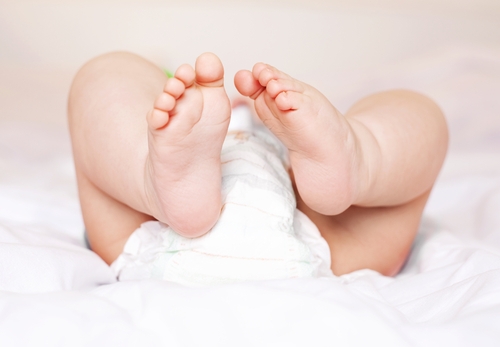
Nappy rash is common in babies and can often be managed with simple, gentle skin care at home. The most important steps are to keep the nappy area clean and dry, change wet or soiled nappies promptly, allow the skin to air when practical, and use a suitable protective barrier cream.
If the rash is severe, spreading, unusually painful, blistered, associated with fever, or does not improve with basic care, speak to a clinician.
What Causes Nappy Rash?
Nappy rash can develop when a baby's delicate skin is exposed to moisture, friction, urine or stool for too long.
Common contributing factors include:
Wet or soiled nappies
Frequent bowel movements
Friction from a poorly fitting nappy
Diarrhoea
Sensitive skin
Irritation from soaps, wipes or fragrances
Changes in diet or feeding
Antibiotic use in some circumstances
A fungal or other infection
A baby's skin can become more vulnerable when it remains damp for extended periods. This is why regular nappy changes are one of the simplest ways to help prevent irritation.
How to Prevent Nappy Rash
Prevention starts with keeping the nappy area clean and as dry as reasonably possible.
Change Wet or Soiled Nappies Promptly
Avoid leaving your baby in a wet or dirty nappy for longer than necessary.
Check the nappy regularly, particularly:
After bowel movements
Before sleep
After waking
During routine changes
Whenever your baby appears uncomfortable
Newborns may need frequent changes because they can urinate and pass stool several times throughout the day.
Clean the Skin Gently
When changing your baby, clean the nappy area gently.
If using wipes, choose products that are suitable for babies and avoid products that appear to irritate your baby's skin.
You can also use clean water and a soft cloth where appropriate.
Avoid vigorous rubbing. Pat the skin gently rather than scrubbing it.
Allow the Skin to Dry
After cleaning, allow the skin to dry before putting on a fresh nappy.
You can gently pat the area dry with a clean, soft cloth.
When practical, allowing a short period without a nappy can also reduce prolonged moisture exposure.
Use a Protective Barrier
A suitable barrier cream can help protect the skin from moisture and irritation.
Baby bum cream or another nappy-area barrier product may be useful, but follow the product instructions and avoid using products that have previously irritated your baby's skin.
Do not assume that a thicker layer is always better. Apply the product as directed.
How Should You Treat Mild Nappy Rash at Home?
If the rash is mild and your baby otherwise seems well, focus on reducing irritation.
A simple care routine can include:
Change wet or soiled nappies promptly.
Clean the area gently.
Pat the skin dry.
Give the skin some air when practical.
Apply a suitable protective barrier cream.
Use a clean, well-fitting nappy.
Continue monitoring the rash.
Mild irritation should begin to improve once the skin is protected from continued moisture and friction.
If it is getting worse rather than better, seek medical advice.
Choosing the Right Nappy
A nappy that fits poorly can contribute to irritation.
A nappy that is too tight may increase friction around the waist and thighs. A nappy that is too loose can leak and leave the skin exposed to moisture.
Check that:
The nappy sits comfortably around the waist.
The leg openings are secure but not excessively tight.
The baby's bottom is adequately covered.
The fastening tabs are positioned correctly.
The nappy is changed regularly.
If you are unsure about sizing, check your baby's weight against the manufacturer's nappy size chart.
Can Baby Wipes Cause Nappy Rash?
Some babies can be sensitive to particular ingredients in wipes.
If you notice that your baby's skin becomes irritated after introducing a new wipe, stop using the product and consider a gentler alternative.
Look for products that are appropriate for babies and avoid unnecessary fragrances or ingredients that your baby's skin has previously reacted to.
For a baby with already irritated skin, gentle cleaning with water and a soft cloth may be preferable, depending on your clinician's advice.
Should You Use Baby Bum Cream?
A suitable barrier cream can help protect the skin from moisture.
When choosing a baby bum cream:
Check that it is intended for use on babies.
Follow the manufacturer's instructions.
Stop using it if it appears to worsen irritation.
Avoid applying products around broken skin unless specifically advised.
Seek medical advice if the rash does not improve.
Do not use prescription creams or medicated products simply because they worked for another baby. Some treatments are appropriate only for particular causes of rash.
What Should You Avoid When Treating Nappy Rash?
When your baby's skin is irritated, avoid actions that can make the problem worse.
Avoid:
Scrubbing the affected area
Using strongly fragranced products
Applying multiple new products at once
Leaving a wet or dirty nappy on for extended periods
Using medication without appropriate advice
Using adult skincare products unless they are specifically suitable
Ignoring a rash that is becoming significantly worse
If the cause is unclear or the rash is persistent, a clinician can help determine whether further treatment is needed.
Nappy Rash in Kenya: Keeping Baby's Skin Comfortable
Kenyan families may experience different environmental conditions depending on where they live.
Warm weather can make babies sweat more, while humid conditions can increase moisture around the nappy area. This makes regular changing and careful drying particularly important.
However, avoid assuming that every rash is simply caused by heat.
If the rash persists despite good nappy hygiene and skin care, it may have another cause and should be assessed by a healthcare professional.
When Should You See a Clinician?
Most mild nappy irritation can be managed with careful routine care, but some rashes need professional assessment.
Contact a clinician if:
The rash is severe or rapidly worsening.
The skin is broken, bleeding or significantly swollen.
There are blisters, pus-filled spots or sores.
Your baby has a fever.
Your baby seems unusually unwell or distressed.
The rash spreads beyond the nappy area.
The rash does not improve with basic care.
You suspect an infection.
You are unsure what is causing the rash.
For a newborn or very young baby who appears unwell, seek medical advice promptly.
Could It Be More Than Ordinary Nappy Rash?
Not every rash in the nappy area is simple irritation.
A fungal rash, bacterial infection, allergic reaction or another skin condition can sometimes look different from ordinary moisture-related irritation.
For example, a rash that persists despite good nappy-changing practices may need professional assessment.
Do not try to diagnose the cause based only on photographs or descriptions online.
A clinician can assess your baby's skin and recommend the appropriate treatment.
How Often Should You Change a Baby's Nappy?
There is no single number that applies to every baby.
The important principle is to check regularly and change the nappy when it is wet or soiled.
Newborns often need frequent changes, while older babies may have different routines.
Changing promptly after bowel movements is particularly important because stool can irritate the skin.
A Simple Nappy-Rash Prevention Routine
A consistent routine can help protect your baby's skin:
Check: Look at the nappy regularly.
Change: Replace wet or soiled nappies promptly.
Clean: Gently clean the nappy area.
Dry: Pat the skin dry without rubbing.
Protect: Apply a suitable barrier product when appropriate.
Fit: Make sure the new nappy fits comfortably.
Monitor: Watch for changes in the rash.
This simple approach can be easier to maintain than using many different products.
Nappy Rash Checklist for Parents
When your baby develops redness around the nappy area, check:
Is the nappy being changed regularly?
Is the skin being cleaned gently?
Is the area being dried properly?
Does the nappy fit correctly?
Have you recently introduced a new wipe, soap or cream?
Is the rash improving after basic care?
Does your baby have any other symptoms?
Does the rash need assessment by a clinician?
If you are unsure, getting professional advice is safer than repeatedly trying different treatments.
Frequently Asked Questions
What is the best treatment for nappy rash at home?
For mild irritation, keep the area clean and dry, change nappies promptly, allow the skin to air when practical and use an appropriate protective barrier cream according to its instructions.
How can I prevent nappy rash?
Change wet or soiled nappies promptly, clean the skin gently, keep the area dry, use a well-fitting nappy and consider a suitable barrier cream when appropriate.
Can I use baby bum cream for nappy rash?
A suitable baby barrier cream can help protect irritated skin from moisture. Follow the product instructions and seek medical advice if the rash is severe, persistent or worsening.
How long should nappy rash take to improve?
Mild irritation should begin improving when moisture and friction are reduced. If the rash persists, worsens or develops concerning features, consult a clinician.
When should I take my baby to a doctor for nappy rash?
Seek medical advice if the rash is severe, spreading, painful, blistered, infected-looking, associated with fever or if it does not improve with basic care.
Can the wrong nappy size cause nappy rash?
A poorly fitting nappy can contribute to friction, leakage and prolonged moisture exposure. Check the manufacturer's weight guide and make sure the nappy fits comfortably around the waist and legs.
Shopping for your little one?
Browse the collection