
6 Oct 2026
Jumbo Packs vs Small Packs: The Real Cost Per Nappy
How to work out cost per nappy in KSh, when jumbo packs genuinely save money, and how to store them.
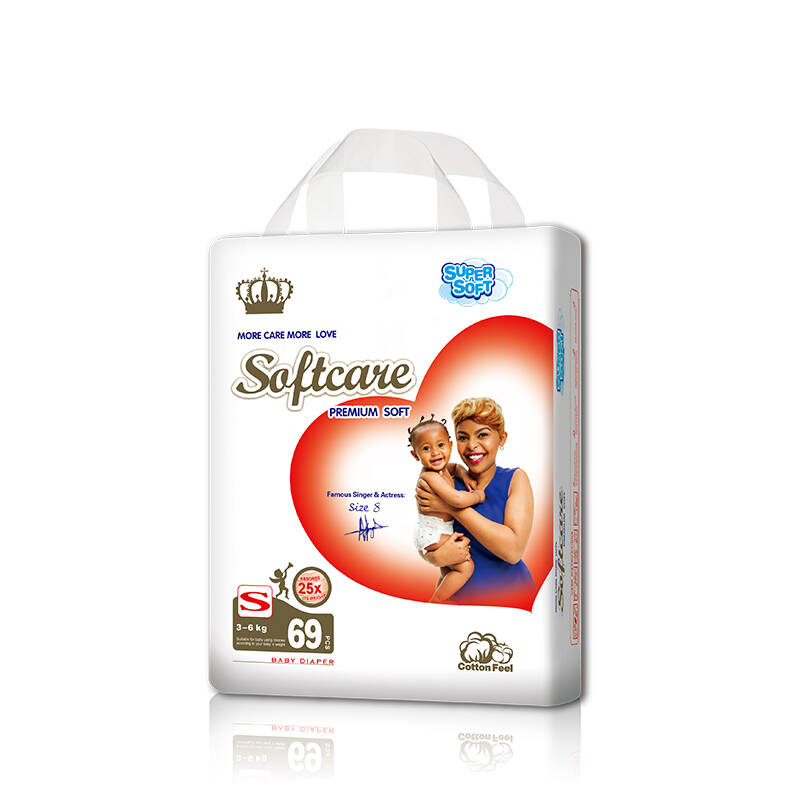
Jumbo nappy packs can offer better value, but a bigger pack is not automatically cheaper per nappy. The easiest way to compare packs is to divide the total KSh price by the number of nappies inside, then consider whether your baby will use the entire pack before moving to another size.
For Kenyan parents, the cheapest way to buy nappies is usually the option with the lowest cost per piece that also fits your baby's current size and usage needs.
How to Calculate Cost Per Nappy
The calculation is simple:
Pack price ÷ number of nappies = cost per nappy
For example, if a pack costs KSh 1,200 and contains 60 nappies:
KSh 1,200 ÷ 60 = KSh 20 per nappy
If another pack costs KSh 900 but contains only 40 nappies:
KSh 900 ÷ 40 = KSh 22.50 per nappy
The KSh 1,200 pack therefore costs less per nappy even though the amount you pay at checkout is higher.
Cost-Per-Nappy Comparison
Use this table when comparing Babybasics products:
Pack Pack price Nappies Cost per nappy
Small pack KSh [CONFIRM] [CONFIRM] [CALCULATE]
Medium pack KSh [CONFIRM] [CONFIRM] [CALCULATE]
Jumbo pack KSh [CONFIRM] [CONFIRM] [CALCULATE]
Always use the current Babybasics selling price and actual pack quantity when publishing this comparison.
Why Jumbo Packs Can Be Cheaper
Larger packs can sometimes have a lower cost per piece because the seller is offering more units in one purchase.
For parents who already know which nappy brand and size works for their baby, buying a larger pack can make sense.
For example, if:
Small pack = KSh 25 per nappy
Jumbo pack = KSh 20 per nappy
The jumbo pack saves KSh 5 per nappy.
If you use 150 nappies at that price difference:
150 × KSh 5 = KSh 750 saved
The actual saving should always be calculated from the current selling prices rather than assuming that every jumbo pack offers a discount.
When Is a Jumbo Pack Worth Buying?
A jumbo pack can be worthwhile when your baby is comfortably established in the size you are buying.
Consider a larger pack if:
Your baby has been using the same size consistently.
The brand fits well.
You are happy with its absorbency.
The cost per nappy is lower.
You have enough storage space.
You expect to use the nappies before your baby moves to the next size.
The last point is particularly important for growing babies.
A low cost per nappy is not a saving if you end up with unused nappies that no longer fit.
When Should You Buy a Small Pack?
Small packs can be more practical when your baby's size is changing quickly or when you are testing a new brand.
A smaller pack may make more sense when:
Your baby is close to the next size.
You are trying a brand for the first time.
You are unsure about the fit.
Your baby has previously experienced leakage with another nappy.
You have limited storage space.
You do not want to spend a large amount at once.
This can be especially useful for newborns because their nappy requirements can change as they grow.
Jumbo Packs vs Small Packs for Newborns
Newborn parents should be particularly careful about buying too many nappies in one size.
A newborn can move between sizes relatively quickly, and the weight range varies between brands.
Instead of stocking up immediately, consider buying enough to establish:
Which brand works well.
Which size fits your baby.
How many nappies your baby uses each day.
Whether the product causes leakage or fit problems.
Once you know the size and brand work well, a larger pack can become a more practical purchase.
What Is the Cheapest Way to Buy Nappies?
The cheapest way to buy nappies is not necessarily to choose the largest pack.
Instead, compare cost per nappy across available pack sizes.
Use this formula every time:
Total pack price ÷ total number of nappies = actual unit cost
Then compare the results.
For example:
Pack Price Quantity Cost per piece
Pack A KSh 700 30 KSh 23.33
Pack B KSh 1,000 50 KSh 20
Pack C KSh 1,500 75 KSh 20
In this example, Packs B and C have the same cost per nappy, while Pack A costs more per piece.
These figures are illustrative only. Babybasics should replace them with current catalogue prices before publication.
Don't Compare Pack Prices Alone
A common shopping mistake is comparing the total price displayed on two products.
A KSh 800 pack may look cheaper than a KSh 1,200 pack, but it could contain significantly fewer nappies.
Always compare:
Price → quantity → cost per piece
This gives you a much clearer picture of value.
How Much Can You Save With a Jumbo Pack?
The saving depends entirely on the price difference and the number of nappies in each pack.
Use:
Small-pack cost per nappy − jumbo-pack cost per nappy = saving per nappy
Then:
Saving per nappy × number of nappies used = potential saving
For example, if a small pack costs KSh 24 per nappy and a jumbo pack costs KSh 20 per nappy:
KSh 24 − KSh 20 = KSh 4 saved per nappy
Using 200 nappies would mean a potential saving of:
200 × KSh 4 = KSh 800
Again, the calculation should be repeated whenever pack prices change.
What About Promotions and Discounts?
Promotions can change which pack offers the best value.
A discounted small pack can sometimes cost less per nappy than a regular jumbo pack.
When Babybasics runs a promotion, compare the final selling price rather than the normal price.
Also check whether:
The discount applies to all sizes.
The pack quantity differs between variants.
The promotion has a minimum purchase.
The discounted product has sufficient stock.
A “buy more, save more” offer only saves money if you actually need and use the additional nappies.
Storage: How to Keep Jumbo Packs in Good Condition
Buying a jumbo pack means storing more nappies at home.
Keep unopened nappies:
In a clean, dry place.
Away from direct sunlight.
Away from excessive moisture.
Away from chemicals and strong-smelling products.
Off damp floors where possible.
In their original packaging until needed.
Do not store nappies in a place where they can become wet or contaminated.
If you live in a humid environment, such as parts of coastal Kenya, pay particular attention to dry storage.
Where Should You Store Opened Nappies?
Once a pack is opened, keep the remaining nappies in a clean, dry location.
You do not necessarily need a special storage container. A dedicated drawer, cupboard or clean baby-storage area can work well.
Avoid storing opened nappies next to cleaning chemicals, dusty materials or items that could contaminate them.
The most important considerations are cleanliness and dryness.
How Many Nappies Should You Buy at Once?
Your ideal purchase size depends on your baby's age, current size and daily usage.
You can estimate your monthly requirement using:
Nappies used per day × number of days = estimated nappies needed
For example, if your baby uses 6 nappies per day:
6 × 30 = 180 nappies per month
This is only a planning calculation. Actual daily usage varies between babies.
Knowing your approximate usage can help you decide whether a jumbo pack will last long enough to justify the purchase.
The Risk of Stocking Up Too Much
Buying in bulk can be tempting when the cost per nappy looks attractive.
However, avoid overstocking when:
Your baby is close to the next size.
You are unsure whether the brand suits your baby.
You are buying a size for the first time.
You do not have suitable storage.
You are buying because of a promotion rather than actual need.
The best bulk purchase is one that you will actually use.
Jumbo Packs vs Small Packs: Which Should You Choose?
There is no single answer for every family.
Choose a jumbo pack when:
The cost per nappy is genuinely lower.
Your baby is established in that size.
You already know the brand works.
You have enough storage.
You expect to use the nappies before they are outgrown.
Choose a small pack when:
You are testing a new brand.
Your baby is between sizes.
Your baby is growing quickly.
You are uncertain about the fit.
You want to manage your immediate spending.
For many parents, the best strategy is to test first and bulk-buy later.
A Simple Nappy Shopping Strategy for Kenyan Parents
Before buying, ask five questions:
What is the price?
Check the actual selling price, including any applicable promotion.
How many nappies are in the pack?
Never assume a larger-looking pack contains more nappies.
What is the cost per piece?
Divide the price by the number of nappies.
Will my baby use this size before outgrowing it?
A low unit price is not useful if half the pack becomes unsuitable.
Do I have somewhere suitable to store them?
Keep bulk purchases clean and dry.
This approach makes it easier to find the cheapest way to buy nappies without buying more than you need.
Frequently Asked Questions
Are jumbo nappy packs cheaper than small packs?
Not always. Compare the pack price divided by the number of nappies. A jumbo pack is better value only when its cost per piece is lower and you will use the nappies.
How do I calculate diaper cost per piece in Kenya?
Divide the total KSh price of the pack by the number of nappies inside. For example, KSh 1,000 divided by 50 nappies gives a cost of KSh 20 per nappy.
Is it better to buy nappies in bulk?
Buying in bulk can save money when the unit price is lower and your baby is established in that size. Avoid large purchases when your baby is close to sizing up.
Should I buy jumbo packs for a newborn?
Be cautious. Newborns can move through sizes quickly. Start with a reasonable quantity until you know which brand and size fit your baby.
How should I store jumbo packs of nappies?
Store them in a clean, dry place away from moisture, direct sunlight, chemicals and contamination. Keep unopened packs in their original packaging.
What is the cheapest way to buy nappies?
Compare the cost per nappy, not just the total pack price. Then consider promotions, pack size, your baby's current size and how many nappies you are likely to use.
Shopping for your little one?
Browse the collection