
5 Oct 2026
Hospital Bag Checklist Kenya
A practical hospital bag checklist for Kenyan mums covering what to pack for mum and baby, documents, clothing, maternity essentials and the going-home outfit.
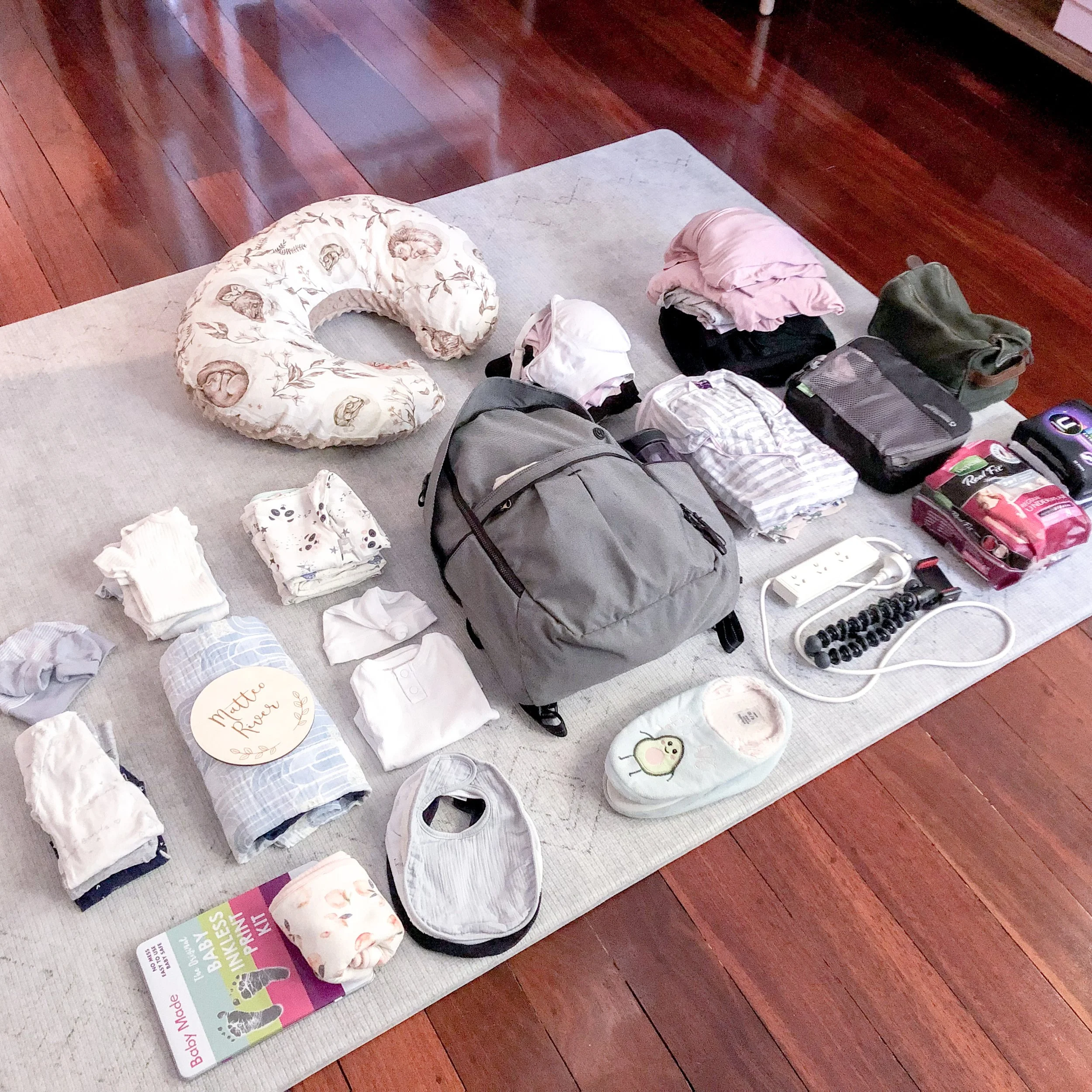
Preparing a hospital bag before your due date can make the final days of pregnancy much less stressful. For a Kenyan hospital delivery, pack essentials for both mum and baby, including clothing, toiletries, maternity items, documents, feeding essentials and a going-home outfit.
The exact items you need can vary between public and private hospitals, so it is important to check your hospital’s maternity requirements before packing.
What Should You Pack in a Hospital Bag in Kenya?
A practical maternity bag should contain everything you may need during admission, delivery and the journey home. Ideally, prepare it before your expected due date so that you are not rushing to shop or pack when labour starts.
Your basic hospital bag can be divided into five groups:
Mum's clothing
Baby's clothing
Maternity and personal-care items
Documents and hospital essentials
Going-home items
Keeping these groups separate can make it easier to find what you need during your stay.
Hospital Bag Checklist for Mum
Your own items are just as important as the baby's. Choose comfortable clothing that is easy to put on and remove.
Item Suggested quantity Why you need it
Loose nightdresses or pyjamas 2–3 Comfortable during the hospital stay
Nursing-friendly tops or dresses 2–3 Easier for breastfeeding
Comfortable underwear Several pairs Useful after delivery
Maternity pads 1 pack For postpartum bleeding
Slippers 1 pair Moving around the ward
Comfortable socks 1–2 pairs Useful if you feel cold
Light cardigan or shawl 1 Extra warmth
Towel 1 Personal hygiene
Toiletries 1 set Bathing and personal care
Breast pads 1 pack Useful if needed after delivery
Comfortable going-home outfit 1 For leaving hospital
Avoid packing clothing that is tight around the waist or difficult to change. A loose dress, maternity outfit or comfortable tracksuit can be more practical for travelling home.
Baby Clothing Checklist
A newborn does not need a huge wardrobe for the hospital. Pack a few changes of comfortable clothing in case the stay lasts longer than expected or clothes become soiled.
A simple starting point is:
Baby item Suggested quantity
Bodysuits or vests 3–5
Sleepsuits or onesies 3–5
Soft socks or booties 2–3 pairs
Soft hats 1–2
Light cardigan or sweater 1
Receiving blankets 2
Muslin cloths 2–4
Going-home outfit 1
Extra outfit 1
These are practical starting quantities rather than strict requirements. Your hospital may have its own list, and the amount you need can depend on how long you stay.
For more help choosing newborn clothing sizes, use the Baby Clothing Size Guide Kenya page when selecting outfits for your hospital bag.
What Clothes Should a Newborn Wear in a Kenyan Hospital?
The right clothing depends on the hospital environment, weather and the baby's needs.
In warmer conditions, lightweight, breathable clothing can be more comfortable. In cooler areas or during colder periods, you may want to include an additional layer such as a soft cardigan or light blanket.
Avoid packing only one type of outfit. Having a combination of bodysuits, sleepsuits, socks and light layers gives you flexibility.
Newborn clothing should generally be easy to put on and remove. Designs with practical openings can make changing your baby easier, particularly when you are still learning how to handle a newborn.
Should You Pack Newborn Size or 0–3 Months?
It is useful to pack at least one small newborn-size outfit alongside some 0–3-month clothing.
Baby sizes are not identical across every manufacturer, so the age printed on a label should be treated as guidance rather than a guarantee of fit.
If you are unsure, compare the manufacturer's measurements with your baby's expected size and avoid buying an entire hospital wardrobe in just one size.
Going-Home Outfit for Baby
The going-home outfit is one of the most important items to keep ready.
Choose something comfortable and easy to change rather than an elaborate outfit. A simple combination could include:
Bodysuit or vest
Sleepsuit or comfortable outfit
Socks or booties
Soft hat where appropriate
Light cardigan or additional layer if needed
Receiving blanket
Keep the complete outfit together in one bag or labelled section so it can be found quickly when you are preparing to leave.
If someone else will be collecting the baby clothes from your bag, having a complete outfit packed together makes things much easier.
Maternity Bag Toiletries and Personal Items
Your hospital may provide some toiletries, but it is safer to confirm what you are expected to bring.
Consider packing:
Toothbrush and toothpaste
Soap or body wash
Shampoo if needed
Deodorant
Comb or hairbrush
Lip balm
Hand sanitiser
Toilet paper or tissues, if recommended by your hospital
Small towel
Flip-flops or bathroom shoes
A small laundry bag for used clothing
Choose practical, familiar products rather than introducing several new products immediately before delivery.
For the baby, check the hospital's requirements before packing toiletries or skincare products. You may not need to bring every product marketed as a newborn essential.
Important Documents to Pack
Do not forget your documents. Keep them in a waterproof folder or easily accessible compartment.
Depending on the hospital, you may need items such as:
Identification documents
Hospital or clinic records
Antenatal clinic information
Insurance or medical cover details
Payment information
Any documents specifically requested by your hospital
Requirements can differ between facilities, so confirm with your maternity unit before your due date.
If you are using insurance or another form of medical cover, check in advance whether there are documents, authorisations or identification details you need to present.
Public vs Private Hospital: Does the Checklist Change?
The basic hospital bag is similar whether you plan to deliver in a public or private hospital, but the specific items supplied by the facility can differ.
Some hospitals may provide certain items while others expect the mother to bring them herself. A private facility may also have its own admission requirements, while a public facility may provide a specific maternity packing list.
What to check Why it matters
Baby clothing requirements Prevents overpacking or missing essentials
Mum's clothing requirements Some wards have specific expectations
Maternity pads Confirm whether you must supply your own
Baby nappies Find out the required quantity
Toiletries Check what the hospital supplies
Bedding/blankets Requirements vary
Documents Avoid delays during admission
Payment/insurance Confirm arrangements before labour
The hospital's own checklist should take priority over a general maternity bag list.
Call or visit the maternity department before your due date and ask for the current list.
How Many Baby Clothes Should You Pack?
For a standard hospital stay, you usually do not need your baby's entire wardrobe.
A practical starting point is three to five changes of baby clothes, plus an additional going-home outfit. This gives you some flexibility if an outfit becomes wet or soiled.
Pack clothing according to the likely length of stay, but avoid filling your hospital bag with too many outfits.
New parents often buy several cute newborn outfits before the baby arrives, only to discover that some are uncomfortable, difficult to change or quickly outgrown.
Focus on practical pieces that are easy to wash and change.
Nappies and Baby-Care Essentials
Confirm with your hospital whether you are expected to bring newborn nappies and how many are recommended.
You may also want to include:
Baby wipes, if permitted or recommended
Cotton wool, if required
Muslin cloths
Receiving blankets
A small changing bag
Baby clothes
A bag for used clothing
Do not assume that every hospital provides these items. Requirements can vary significantly between facilities.
How to Organise Your Hospital Bag
Packing everything into one large bag can make it difficult to find small items when you need them.
Instead, organise your belongings into smaller sections.
For example:
Bag or section 1: Mum
Clothes, underwear, toiletries, maternity pads and slippers.
Bag or section 2: Baby
Bodysuits, sleepsuits, socks, hats, blankets and muslin cloths.
Bag or section 3: Documents
Identification, medical records, insurance information and other admission documents.
Small separate pouch
Phone charger, money, tissues, lip balm and other items you may need quickly.
Labelled packing cubes or simple plastic bags can help keep everything organised.
What Should Your Birth Partner Bring?
If your partner, relative or friend will accompany you, they should also prepare a few essentials.
These may include:
Identification
Phone and charger
Money or payment method
Water and snacks, where permitted
Comfortable clothing
Personal toiletries
Any documents they may need
A small bag for additional purchases or used clothing
The birth partner should also know where the important documents and baby's going-home outfit are packed.
When Should You Pack Your Maternity Bag?
There is no need to wait until labour begins.
A good approach is to have your main hospital bag packed ahead of your expected delivery period, with a few everyday items added later.
Keep the bag somewhere accessible and tell your partner or another trusted person where it is.
You can also prepare a small last-minute list containing things that cannot be packed early, such as:
Phone
Phone charger
Daily medication if applicable
Wallet
Current documents
Water bottle
Any items you use every day
This makes it easier to leave without forgetting essentials.
Hospital Bag Checklist: What Not to Overpack
A hospital bag can quickly become too large, especially when preparing for your first baby.
You generally do not need:
Too many newborn outfits
An entire baby wardrobe
Large quantities of skincare products
Bulky toys
Excessive blankets
Items your hospital has confirmed it will provide
The goal is to have enough useful essentials without carrying unnecessary items.
Final Hospital Bag Checklist for Kenyan Mums
Before leaving home, check that you have:
For Mum
☐ Comfortable clothes
☐ Underwear
☐ Maternity pads
☐ Nursing-friendly clothing
☐ Slippers
☐ Towel
☐ Toiletries
☐ Breast pads if needed
☐ Going-home outfit
For Baby
☐ Bodysuits or vests
☐ Sleepsuits
☐ Socks or booties
☐ Soft hats
☐ Light cardigan if needed
☐ Receiving blankets
☐ Muslin cloths
☐ Newborn nappies if required
☐ Going-home outfit
☐ Extra outfit
Documents and essentials
☐ Identification
☐ Antenatal records
☐ Insurance or medical-cover details
☐ Hospital documents
☐ Phone
☐ Charger
☐ Payment method
☐ Small laundry bag
Frequently Asked Questions
What should I pack in my hospital bag in Kenya?
Pack comfortable clothes and maternity essentials for yourself, several changes of newborn clothing, nappies if required, toiletries, documents, blankets, payment information and a going-home outfit for the baby.
How many baby clothes should I take to hospital?
Three to five changes of baby clothes plus a going-home outfit are a practical starting point. Check your hospital's own requirements because the recommended quantity may differ.
What should a newborn wear home from hospital?
A newborn can wear a comfortable outfit such as a bodysuit and sleepsuit, with socks and an additional light layer where appropriate. Pack the outfit according to the weather and travel conditions.
Do public and private hospitals in Kenya require the same hospital bag items?
Not necessarily. Each facility can have different requirements and may provide different supplies. Always ask your chosen hospital for its current maternity checklist.
When should I pack my maternity bag?
Prepare the main bag before your expected delivery period. Keep everyday items such as your phone, wallet and charger on a separate last-minute list.
Should I pack newborn-size or 0–3-month clothes?
It is useful to have both if possible. Baby clothing sizes vary between brands, so packing a small selection of newborn and 0–3-month outfits can give you more flexibility.
Shopping for your little one?
Browse the collection