
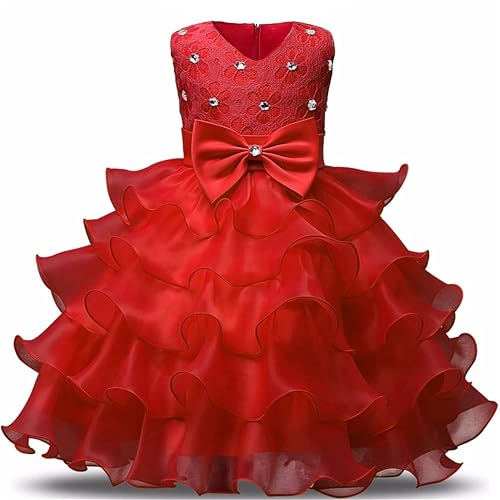
Choosing the right dress for a baby girl or young child involves more than finding an attractive design. Parents need to consider comfort, fabric, size, ease of dressing and the occasion. Whether you are shopping for everyday baby dresses, birthday outfits or beautiful girls' dresses for family gatherings, the right choice should allow your child to move freely and feel comfortable throughout the day.
Kenya's weather also plays an important role when choosing children's clothing. Warm days call for breathable fabrics such as cotton, while cooler mornings and evenings may require an additional cardigan, leggings or light jacket.
For everyday use, choose a comfortable cotton or cotton-blend dress with an easy neckline and enough room for movement. Tulle and satin are better suited to parties and special occasions. Always check your child's measurements against the seller's size chart rather than relying on age labels alone.
- This guide explains how to choose baby dresses and girls' dresses in Kenya, compare fabrics, find the right fit and put together practical outfits for different occasions.
- Everyday vs Party Dresses: Which Should You Choose?
- Children need different types of dresses for different activities. A dress suitable for playing at home may not be the best choice for a birthday party or formal family event.
- Understanding the difference between everyday and party dresses helps parents build a practical wardrobe without buying unnecessary clothing.
- Everyday Dresses
- Everyday dresses are designed for regular use. They should be comfortable, easy to wash and suitable for activities such as playing, visiting family, going shopping or spending time outdoors.
- When shopping for everyday baby dresses, consider the following features:
- Soft and breathable fabric.
- Comfortable necklines that are easy to put on and remove.
- Simple designs that allow free movement.
- Appropriate sleeve lengths for the weather.
- Durable stitching that can withstand regular washing.
- Comfortable waistlines without restrictive elastic.
- Cotton dresses are particularly useful for everyday wear because they are generally soft and breathable.
- For toddlers and older girls, simple printed dresses, casual cotton styles and relaxed designs can make dressing easier. They can also be paired with leggings, shorts or lightweight cardigans when needed.
- Party and Special Occasion Dresses
- Party dresses are designed for occasions such as birthdays, weddings, celebrations and family photographs.
Unlike everyday dresses, they may feature decorative materials, fuller skirts and more detailed designs.
- Popular features include:
- Tulle skirts.
- Satin details.
- Decorative bows and ribbons.
- Embroidery and lace.
- Layered skirts.
- Colourful prints and embellishments.
- Tulle and satin can create attractive party outfits, but comfort should remain a priority. Check that decorative details do not irritate the child's skin and that the dress allows easy movement.
For babies, avoid loose decorative pieces that could become choking hazards. Check buttons, bows and other attachments carefully.
- A practical wardrobe should include a combination of everyday baby dresses and a few special occasion outfits.
- Fabrics for Nairobi Weather: Choosing Comfortable Baby Dresses
- Fabric is one of the most important factors when buying dresses for babies and young girls. Children spend much of their day moving, playing and exploring, so their clothing should feel comfortable in different weather conditions.
Nairobi experiences warm periods as well as cool mornings and evenings. Other parts of Kenya can be considerably warmer or cooler depending on the season and location.
- Here are some common fabric choices to consider.
- 1. Cotton
- Cotton is a popular choice for children's dresses because it is soft, breathable and comfortable against the skin.
- Benefits include:
- Allows air to circulate.
- Absorbs moisture.
- Feels comfortable during warm weather.
- Works well for everyday outfits.
- Is available in different prints and designs.
- Cotton baby dresses are suitable for regular wear, especially when children spend time playing or moving around.
- Parents should check the garment's care label because some cotton fabrics may shrink after washing, particularly when exposed to high temperatures.
- 2. Cotton Blends
- Cotton-blend fabrics combine cotton with other fibres, such as polyester or elastane.
Depending on the composition, these blends can offer additional stretch, improved shape retention and easier maintenance.
They are useful for parents looking for dresses that balance comfort and durability.
- Always check the fabric composition rather than assuming that every cotton blend will feel the same.
- 3. Polyester
- Polyester is commonly used in decorative and occasion clothing. It can retain its shape and resist wrinkles, making it useful for party dresses.
However, some polyester fabrics may feel less breathable than cotton, especially in hot weather.
- For everyday baby dresses, consider how the fabric feels against the skin and whether the dress allows adequate ventilation.
- 4. Tulle and Satin
- Tulle is commonly used to create fuller skirts and decorative party outfits. Satin gives dresses a smooth, shiny appearance that works well for celebrations.
These materials can make beautiful girls' dresses, but they are not always the most practical options for everyday wear.
- Check the lining, seams and decorative details to ensure the dress is comfortable.
- Which Fabric Is Best for a Baby Girl?
- For everyday use, cotton is an excellent starting point. Cotton blends can also work well depending on their composition and feel.
For birthdays and special occasions, tulle and satin can be attractive choices when the dress has a comfortable lining and suitable fit.
- The best fabric depends on the child's comfort, the occasion and the weather.
- Getting the Size Right: How to Choose Girls' Dresses Online
- Finding the right size is one of the biggest challenges when buying children's clothing online.
Age labels are useful, but they are not always consistent across different brands. A dress labelled 2–3 years by one seller may fit differently from a dress with the same label elsewhere.
- When buying baby dresses, use your child's measurements wherever possible.
- Measurements to Check
- Chest measurement: Measure around the fullest part of the chest. Keep the measuring tape comfortably positioned without pulling it too tightly.
Waist measurement: Measure around the natural waistline if the dress has a fitted waist.
Shoulder width: Check the distance across the shoulders to ensure the dress does not pull or slip.
Dress length: Measure from the shoulder down to the desired hemline.
Sleeve length: For dresses with sleeves, check that they allow comfortable arm movement.
- Compare these measurements with the seller's size chart before ordering.
- Should You Buy a Bigger Size?
- If your child is between sizes, choosing the larger option may provide additional room to grow.
However, an excessively large dress can become uncomfortable or create a tripping hazard.
- For baby dresses, pay particular attention to the neckline, shoulder fit and length. The dress should be easy to put on and remove without restricting movement.
- Check the Dress Design
- Different dress designs fit differently.
- For example:
- A-line dresses offer a relaxed shape through the waist and skirt.
- Fitted-waist dresses may require more attention to chest and waist measurements.
- Loose casual dresses provide additional room for movement.
- Layered party dresses may need extra attention to length and lining.
- Always check the product description and measurements before making your choice.
- Baby vs Older Girls: Choosing Age-Appropriate Dresses
- Babies, toddlers and older girls have different clothing needs. A dress that works well for a baby may not be practical for an active five-year-old.
- Understanding these differences can help parents choose suitable girls' dresses for different stages of childhood.
- Baby Dresses
- Baby dresses should prioritise comfort, easy dressing and practical design.
- Look for:
- Soft fabrics that feel gentle against the skin.
- Easy openings for dressing and changing.
- Comfortable necklines.
- Smooth seams and linings.
- Appropriate lengths that do not interfere with movement.
- Securely attached decorative details.
- For younger babies, dresses with convenient fastening options can make changing easier.
- Parents should also consider what the baby will wear underneath, including nappies, vests or leggings.
- Toddler Dresses
- Toddlers are increasingly active. They crawl, walk, run and explore their surroundings.
Their dresses should allow movement without being too tight or too long.
Consider casual cotton dresses, comfortable waistlines and designs that are easy to wash.
- Leggings or shorts underneath can provide additional coverage during play.
- Dresses for Older Girls
- Older girls may have their own preferences when it comes to colours, prints and styles.
Involve them in choosing dresses while ensuring that the clothing remains comfortable and practical.
For school holidays, outings and family visits, versatile casual dresses are useful wardrobe additions.
For birthdays and celebrations, you can choose more decorative styles suited to the occasion.
- The most important consideration at every age is a comfortable fit that allows the child to move freely.
- Layering for Cool Nairobi Mornings and Evenings
- Nairobi's weather can change throughout the day. A morning that feels cool may become warm by midday, so flexible clothing combinations are useful.
- Layering allows parents to adjust a child's outfit without changing the entire dress.
- Add a Cardigan
- A lightweight cardigan is a practical addition to cotton baby dresses.
It provides an extra layer during cool mornings and can be removed when temperatures rise.
- Choose a comfortable cardigan that does not restrict the shoulders or arms.
- Pair Dresses with Leggings
- Leggings are useful when dressing toddlers and older girls.
They provide additional coverage and can make dresses more practical for outdoor activities.
- Neutral colours such as black, grey and white can work with different dress designs.
- Consider Lightweight Jackets
- A lightweight jacket can be useful during cooler evenings or when travelling.
- Choose one that fits comfortably over the dress without making the outfit too restrictive.
- Choose Suitable Footwear
- Footwear should match the activity and outfit.
For everyday wear, comfortable shoes or sandals are practical options. For parties, dressier footwear can complete the outfit, provided it fits securely and is appropriate for the child's age.
- You can also read our guide on dressing a baby for Nairobi weather for more practical clothing tips.
- How to Care for and Wash Girls' Dresses
- Proper clothing care helps maintain the appearance, comfort and quality of children's dresses.
Different fabrics require different washing methods, so always read the garment's care instructions.
- Follow these tips:
- 1. Separate colours: Wash light and dark garments separately when necessary.
- 2. Check care labels: Cotton, polyester, satin and delicate fabrics may have different washing requirements.
- 3. Use suitable detergent: Choose a detergent appropriate for the garment and your household's needs.
- 4. Avoid excessive heat: High washing and drying temperatures can shrink some fabrics.
- 5. Handle delicate details carefully: Tulle, lace and decorative attachments may need gentle washing.
- 6. Dry appropriately: Follow the manufacturer's drying instructions to prevent damage.
- 7. Store dresses properly: Fold or hang garments in a clean, dry wardrobe.
- For party dresses, check whether the manufacturer recommends handwashing or a delicate washing cycle.
- Regular care helps keep baby dresses looking presentable for longer and reduces unnecessary replacement costs.
- Shopping for Baby Dresses and Girls' Dresses in Kenya
- When shopping for children's clothing, parents should consider comfort, price, quality, size availability and the intended use of each garment.
A practical wardrobe does not need dozens of dresses. A few versatile everyday options, combined with selected outfits for special occasions, can meet most clothing needs.
- Before ordering, consider these points:
- Choose fabrics appropriate for the weather.
- Confirm the available sizes.
- Compare measurements with the size chart.
- Check the product description for fabric composition.
- Consider whether the dress is for everyday use or a special event.
- Review washing and care instructions.
- Confirm delivery and exchange information with the retailer.
- Baby Basics provides a shopping destination for parents exploring children's clothing options in Kenya.
Browse the Baby Basics girls' dresses collection to explore available styles for babies and young girls.
- Whether you are looking for everyday baby dresses, casual toddler outfits or a dress for a special celebration, choose a design that combines comfort, practicality and style.
- Frequently Asked Questions About Baby Dresses
- 1. What is the best fabric for a toddler dress?
- Cotton is an excellent choice for everyday toddler dresses because it is soft, breathable and comfortable. Cotton blends can also be suitable depending on their composition. For parties, tulle and satin are attractive options when they have comfortable linings.
- 2. How do I choose the right size for baby dresses online?
- Measure your child's chest, waist and preferred dress length, then compare the measurements with the seller's size chart. Do not rely entirely on age labels because sizing can vary between brands.
- 3. Can babies wear dresses with leggings?
- Yes. Dresses can be paired with comfortable leggings to provide additional coverage and warmth. This combination is practical for outings and cooler mornings, provided the leggings fit comfortably.
- 4. How do I wash party dresses?
- Check the garment's care label before washing. Cotton dresses may be machine washable, while delicate satin, tulle and embellished dresses may require handwashing or a gentle washing cycle. Avoid excessive heat and follow the manufacturer's instructions.
- 5. Are cotton dresses suitable for Nairobi weather?
- Yes. Cotton is breathable and comfortable during warm weather. It can be worn on its own during warmer periods or paired with a cardigan or leggings during cooler mornings and evenings.
- 6. How many dresses does a baby girl need?
- The number depends on the baby's age, laundry routine and daily activities. A practical wardrobe can include several everyday dresses and one or two outfits for special occasions. Adjust the quantity according to how frequently the baby changes clothes.
- 7. What should I consider when buying party dresses for young girls?
- Consider the fabric, lining, dress length, neckline and decorative details. The dress should be attractive without restricting movement. Check that bows, buttons and embellishments are securely attached.
- 8. How can I keep baby dresses from shrinking?
- Follow the care label, avoid excessive washing temperatures and use appropriate drying methods. Some cotton fabrics may shrink when exposed to high heat, so proper washing and drying help maintain their original fit.
- Find Beautiful Girls' Dresses at Baby Basics
- Choosing the right dress means balancing appearance, comfort, fabric and fit. Cotton is a practical option for everyday wear, while decorative materials such as tulle and satin can make special occasions memorable.
Before buying, check your child's measurements, review the fabric description and choose a design that suits the occasion.
Explore the Baby Basics girls' dresses collection to discover available baby dresses and girls' clothing options in Kenya.