
14 Oct 2026
Dressing Twins or Two Under Two Without Doubling the Cost
Dressing twins or two under two on a budget in Kenya: learn what clothes can be shared, how to reuse hand-me-downs, and ways to save on baby essentials.
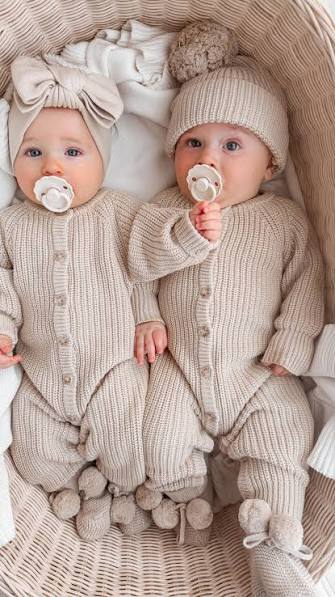
Dressing twins or two children under two in Kenya does not have to mean buying two completely separate wardrobes or spending twice as much. With a practical clothing plan, you can share suitable essentials, buy versatile outfits, organise hand-me-downs and focus your budget on the items each child genuinely needs.
Whether you are preparing for twins or raising a toddler alongside a baby, the goal is to keep both children comfortable, clean and appropriately dressed without accumulating clothes they will quickly outgrow.
Why Dressing Twins or Two Under Two Can Become Expensive
Twins often need similar clothing at the same time, while children close in age may need different sizes and seasonal items. Babies also grow quickly, so a large wardrobe purchased in advance can become unsuitable before everything is worn.
Common expenses include:
Everyday bodysuits, vests and sleepsuits.
Trousers, leggings, tops and outdoor layers.
Socks, bibs and extra outfits for spills.
Sleepwear suitable for each child's size and stage.
Special-occasion clothes that may only be worn once.
Replacement outfits when clothes become stained, damaged or too small.
The biggest saving usually comes from planning how many outfits are needed, rather than buying every item in pairs.
Build One Shared Clothing Plan Before Shopping
Start by checking what you already own, what has been gifted and what each child can comfortably wear. Separate the clothes by size and type, then identify the gaps.
For twins, create a combined inventory while keeping track of each child's fit and preferences. For two children under two, organise clothing into separate size groups because the older child may already have moved into a different size.
A simple inventory might include:
Clothing category
What to check
Bodysuits and vests
Enough clean changes between laundry loads
Sleepsuits and pyjamas
Correct fit and suitable fabric
Tops and bottoms
Easy-to-match everyday combinations
Warm layers
Cardigans, jumpers or other suitable layers
Socks and bibs
Useful extras for frequent changes
Outdoor clothing
Items suitable for the weather and planned outings
You do not need an identical number of every item for both children. One child may need more changes because of frequent spills, reflux or messy meals. Adjust the wardrobe to your household's actual routine.
What Twins Can Share and What Each Child Needs
Twins can share many types of clothing, provided the items fit both children and are appropriate for their age and stage. Sharing does not mean every garment must be interchangeable.
Items that may be shared
Cardigans and jumpers, if the sizing and fit are suitable.
Neutral tops, trousers and leggings that fit both children.
Occasion wear that can be reused when appropriate.
Clothing passed from one twin to the other after washing and checking its condition.
Storage organisers, laundry baskets and wardrobe dividers.
Items to check individually
Bodysuits and sleepsuits, because the twins may have different body sizes.
Sleepwear, which must fit safely without excess fabric.
Clothing affected by staining, stretching or damage.
Outfits needed at the same time, such as matching clothes for a family event.
Any garment that does not fit one child comfortably.
Twins do not need matching outfits every day. Coordinating colours or choosing different outfits in the same style can create a similar look without requiring duplicate purchases.
Dressing Two Under Two: Make Hand-Me-Downs Work
When children are close in age, the younger child may be able to wear some of the older child's clothing. This can reduce costs, especially when clothes are still in good condition and suitable for the season.
Sort hand-me-downs into three groups: ready to wear, needs repair or washing, and unsuitable. Check fastenings, seams, elastic, labels and any loose decorations before placing an item back into use.
Keep clothes organised by size rather than by the child who originally wore them. This makes it easier to find suitable outfits when the younger child reaches the next size.
Hand-me-downs are not automatically useful just because they are free. If an item is badly worn, uncomfortable, difficult to clean or unsafe for the intended use, leave it out of the wardrobe.
For guidance on choosing the right fit, see the Baby Clothing Size Guide for Kenya.
Buy Versatile Clothes Instead of Two Complete Wardrobes
A coordinated capsule wardrobe helps reduce unnecessary purchases. Choose a small group of colours that work together, so that tops, bottoms and layers can be mixed and matched.
For example, neutral trousers can work with several tops, while a cardigan can be worn over different outfits. This is particularly useful when you need to dress two children every morning and want to avoid searching for matching sets.
Prioritise:
Comfortable everyday basics.
Clothes that are easy to put on and remove.
Fabrics that can be washed regularly.
Colours that coordinate across several outfits.
Layers that work in changing weather.
Pieces that can be worn on ordinary days as well as casual outings.
Avoid buying too many specialised outfits before you know how often you will use them. Babies may outgrow clothes quickly, and children under two can be especially hard on everyday garments.
For more ideas, read the Baby Capsule Wardrobe on a Budget guide.
How Many Clothes Do Two Small Children Need?
There is no single number that works for every family. The right quantity depends on how often you do laundry, whether you have reliable access to water, the children's ages and how frequently their clothes need changing.
If you wash clothes daily, you may need fewer spare outfits than a household that does laundry only once or twice a week. If both children often need multiple changes in one day, plan for a larger supply of everyday basics.
Use this method to work out your needs:
Estimate how many clean outfits each child uses in a typical day.
Multiply that number by the number of days between laundry loads.
Add a modest buffer for spills, accidents and unexpected delays.
Check the current wardrobe before purchasing anything.
Review the quantities as the children grow or your routine changes.
This method is more reliable than buying a fixed number of outfits simply because a list recommends them.
How to Save Money on Twins' Baby Clothes in Kenya
Set a combined clothing budget
Decide how much you can spend on both children for the month or season. Keep everyday essentials separate from optional purchases such as special-occasion outfits.
If one child suddenly needs a new size, review the combined budget before buying a full set of replacement clothes for both.
Compare the cost per useful wear
A low-priced outfit is not always the best value if it becomes uncomfortable after a few washes or is worn only once. Consider durability, fit, ease of washing and how many occasions the garment can serve.
Clothing sets can be convenient, but separates may offer more flexibility when one item wears out or one child needs a different size. Our guide to Baby Sets vs Separates: Which Offers Better Value? explains how to compare the options.
Buy for the next size only when necessary
It can be tempting to purchase several sizes ahead, particularly when shopping for twins. However, growth rates vary, and the weather or clothing needs may change before the garments are used.
Buy a few suitable pieces when the next size is approaching rather than stocking up on an entire future wardrobe. Check the guide to sizing up baby clothes before buying larger sizes.
Accept useful hand-me-downs
Family and friends may have clean, good-quality clothes their children have outgrown. Accept only items you can use, and check them before dressing either child.
You can also pass on clothes that no longer fit your children, provided they remain in suitable condition. This helps another family while freeing up storage space.
Keep special outfits to a minimum
Matching outfits for birthdays, photographs or family celebrations can be lovely, but they do not need to make up a large part of the wardrobe. Choose clothes that can be worn again, or coordinate everyday pieces you already own.
Keep Both Children Organised Without Buying Everything Twice
Organisation can prevent unnecessary spending because it makes existing clothes easier to find.
Use separate drawers, labelled baskets or wardrobe dividers for each size. For twins who wear similar sizes, a simple label or colour marker can help you keep track of whose clothes are whose if that matters to your routine.
Keep a small supply of ready-to-use outfits in an accessible place. When changing one child, it is easier to prepare the other child's clothes at the same time without opening several drawers or buying extra items for convenience.
Review the wardrobe regularly. Move outgrown clothes into storage or pass them on, and place the next suitable size where it is easy to reach.
Comfort and Safety Still Come First
Saving money should never mean using clothing that does not fit properly or is unsuitable for sleep. Check that garments allow comfortable movement, do not have damaged fastenings and do not contain loose parts that could pose a hazard.
For sleep, use appropriately sized sleepwear and follow safe-sleep guidance. Avoid loose clothing, accessories or decorative pieces that could interfere with safe sleep. Keep the children's clothing suitable for the room temperature and avoid excessive layers.
Wash second-hand clothing before use and follow care instructions where available. If a garment has broken zips, sharp components, loose decorations or stretched neck openings, repair it properly or remove it from use.
Frequently Asked Questions
Do twins need two complete sets of baby clothes?
No. Twins may share suitable clothing if the garments fit both children and are not needed simultaneously. You will still need enough clean outfits for both children between laundry loads.
Can my younger baby wear the older child's clothes?
Often, yes, if the clothes are clean, in good condition and fit the younger child safely. Check sizing, fastenings, seams and any loose decorations before use.
Is it cheaper to buy matching outfits for twins?
Not necessarily. Matching outfits can require duplicate purchases, particularly when both children need different sizes. Coordinating colours or sharing suitable separates can create a similar look for less.
How can I decide how many outfits to buy?
Base your quantities on daily changes, laundry frequency and the children's individual needs. Start with what you already own and add only the items needed to cover gaps.
Should I buy clothes for several sizes in advance?
Avoid buying too far ahead. Children's growth rates differ, and the season or practical needs may change before the clothes are worn. Add a few items when each child approaches the next size.
How can I keep clothing costs manageable in Kenya?
Set a combined budget, use good-quality hand-me-downs, choose mix-and-match basics, compare value rather than price alone and avoid buying duplicate outfits that are rarely used.
Final Thoughts
Dressing twins or two children under two on a budget is mainly about buying with a plan. Build a shared inventory, reuse suitable clothing, choose versatile basics and buy according to each child's actual size and daily routine.
You can still dress both children comfortably and neatly without duplicating every item. Focus your spending on clothes that are safe, practical and likely to be worn often, and review the wardrobe as the children grow.
Shopping for your little one?
Browse the collection