
9 Oct 2026
Dressing Your Baby for Nairobi Weather: The Cold June Nights
Learn how to dress your baby for Nairobi's cool June to August nights with practical layering tips, safe sleep guidance and ways to prevent overheating.
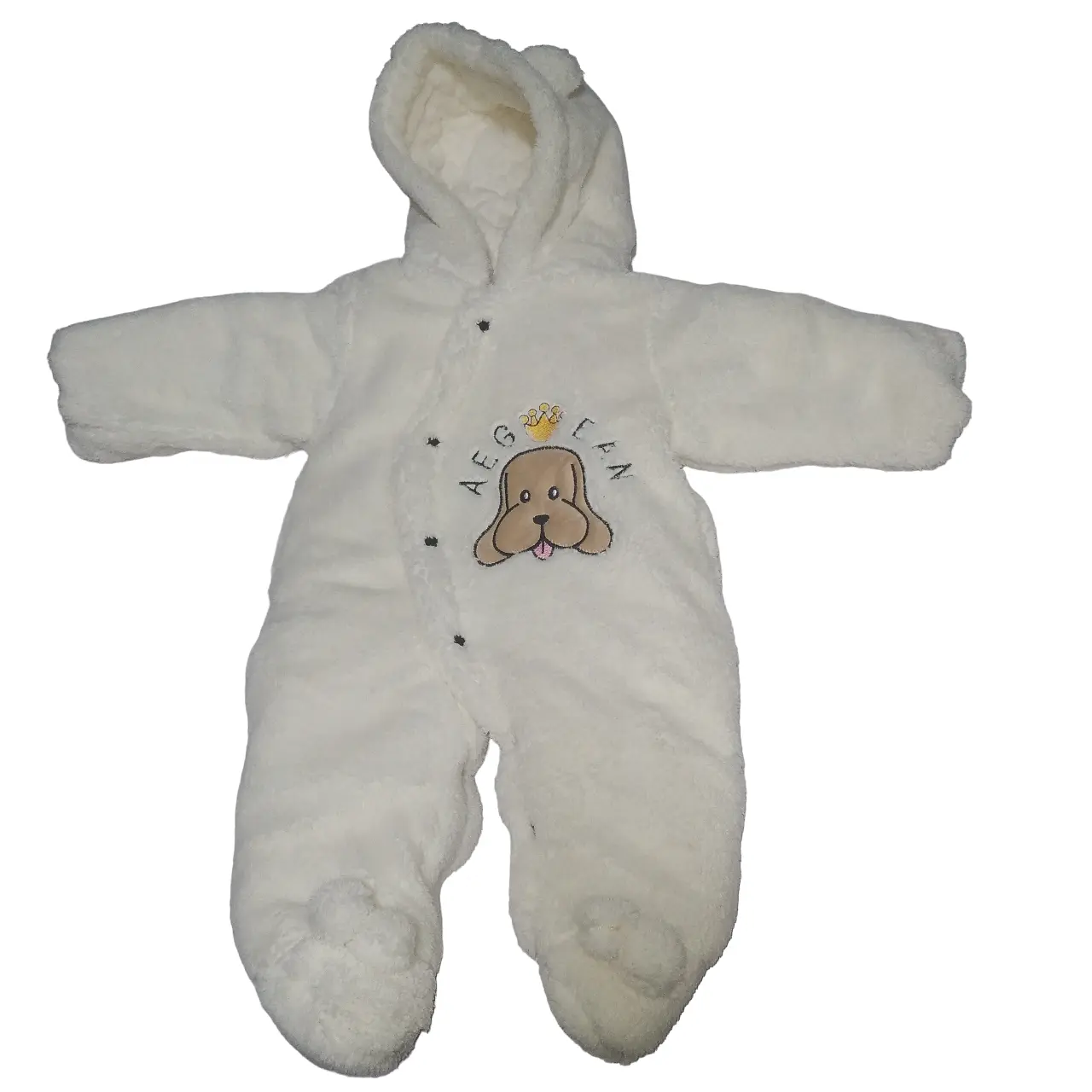
Dressing a baby for Nairobi weather means preparing for cool mornings, chilly evenings and changes in temperature throughout the day. During Nairobi's cooler June to August season, lightweight layers, comfortable sleepwear and a suitable sleeping environment can help keep your baby warm without causing overheating.
The best approach is to dress your baby in layers that you can add or remove as conditions change. Whether you are at home, travelling in the evening or preparing your baby for sleep, check your baby's temperature rather than relying only on the weather outside.
Why Nairobi's June to August Weather Needs Extra Planning
Nairobi's elevation contributes to its relatively cool nights, and the June-to-August period is commonly associated with cooler conditions. Indoor temperatures can also vary depending on the house, ventilation, bedding and whether the room receives direct sunlight.
A baby who feels comfortable during a sunny afternoon may need an additional layer later in the evening. However, heavy clothing and thick blankets can make a baby too hot, especially during sleep.
When planning dressing baby Nairobi weather outfits, consider:
The temperature inside your home
Whether you will be outdoors or indoors
The time of day
Whether your baby will be active, resting or sleeping
The thickness and breathability of the clothing
Whether the baby is very young or was born prematurely
There is no single outfit that works for every home or every June night.
How to Layer Baby Clothes for Nairobi's Cold Nights
Layering means using several comfortable layers rather than one very thick garment. It allows you to adjust your baby's clothing as temperatures change.
A practical daytime outfit may include a cotton bodysuit, trousers and a light cardigan. For a cooler evening, you may add a long-sleeved layer or suitable sleepwear, depending on the room temperature.
Conditions Clothing to consider What to check
Warm afternoon indoors Lightweight cotton bodysuit Make sure your baby is not sweating
Cool morning Bodysuit with trousers or a light top Check the chest or back for warmth
Chilly evening Long-sleeved bodysuit with a light cardigan Remove a layer if your baby becomes hot
Cool room at bedtime Appropriate sleepwear and a suitable baby sleep sack if needed Avoid loose bedding and overheating
Outdoor evening Comfortable layers and weather-appropriate outerwear Remove extra clothing once indoors if needed
These are starting points rather than strict temperature rules. Choose layers based on the actual conditions and your baby's comfort.
What Clothes Should You Buy for Nairobi's Cold Season?
You do not need to replace your baby's entire wardrobe when cooler weather arrives. A small collection of versatile clothing can be enough.
Long-Sleeved Cotton Bodysuits
Long-sleeved bodysuits provide a comfortable base layer and help cover your baby's arms.
Look for soft, breathable fabric and a fit that allows your baby to move comfortably. Avoid clothing that is too tight around the neck, chest or legs.
Sleepsuits
A sleepsuit can cover the arms, legs and feet, depending on its design. It can be a useful option for cooler evenings and bedtime.
Choose the thickness according to the room temperature and the manufacturer's guidance. A thick fleece sleepsuit may be excessive in a warm room.
Cardigans and Light Jumpers
Cardigans are useful because they can be removed easily when your baby moves into a warmer environment.
Choose comfortable designs without loose ties, long cords or small detachable parts that could create a safety hazard.
Trousers and Leggings
Soft trousers or leggings can provide an additional layer over a bodysuit.
Make sure the waistband is comfortable and that the garment does not restrict movement.
Socks
Socks may be useful if your baby's feet are exposed or feel cool. However, cold hands and feet alone do not necessarily mean a baby is cold.
Check the chest or back of the neck to assess your baby's overall warmth.
How to Dress a Baby for Bed on a Cold Nairobi Night
Sleep requires particular care because babies can overheat if they wear too many layers or sleep under unsuitable bedding.
For bedtime, consider:
A comfortable sleepsuit appropriate for the room temperature
A properly fitted, suitable baby sleep sack if additional warmth is needed
A clear sleep space without loose blankets, pillows or duvets
A room that is comfortable rather than excessively warm
Checking your baby's chest or back of the neck during the night if you are concerned
Always place your baby on their back to sleep, on a firm, flat sleep surface designed for infants.
Avoid putting hats on babies indoors during sleep unless a healthcare professional has specifically advised otherwise. Babies generally release excess heat through their heads, and a hat can contribute to overheating.
Do not use hot-water bottles, electric blankets or direct heaters to warm a baby's sleeping area.
How to Tell If Your Baby Is Too Cold
Parents often worry about baby cold nights Kenya conditions, especially when temperatures drop after sunset.
Signs that your baby may need another layer include:
The chest or back feels cool
Your baby appears uncomfortable in a cool environment
The room is noticeably cold and the current clothing is lightweight
Cold hands and feet are common in babies and are not always reliable indicators of their overall temperature.
If your baby seems unusually cold, is difficult to wake, is feeding poorly or has abnormal breathing or skin colour, seek urgent medical advice rather than simply adding more clothes.
How to Tell If Your Baby Is Too Hot
Overheating is also a concern when dressing babies for cooler weather.
Watch for:
A hot chest or back
Sweating
Damp hair
Flushed skin
Rapid breathing
Unusual restlessness
If your baby appears too warm, remove an extra layer and reassess the environment.
If your baby is unusually sleepy, difficult to wake, breathing abnormally or otherwise appears seriously unwell, seek urgent medical care.
How Many Layers Does a Baby Need?
There is no exact number of layers that applies to every baby or room.
A useful starting principle is to dress your baby in roughly one more light layer than a comfortable adult would wear in the same environment, then adjust according to the baby's temperature and the clothing's thickness.
This is only a general guide, not a substitute for checking your baby. A thick sleepsuit may provide more insulation than several thin cotton garments.
When using a sleep sack, follow its manufacturer's temperature and clothing guidance. Do not combine it with loose blankets or add extra layers automatically.
What Is the Best Fabric for Nairobi's Cooler Season?
Breathable fabrics can help manage changes in temperature.
Cotton
Cotton is a common choice for bodysuits, sleepsuits and everyday clothing. It is soft, breathable and suitable for layering.
Cotton Blends
Some cotton blends can be comfortable and durable. Check the fabric composition and make sure the garment feels soft against your baby's skin.
Fleece
Fleece can provide warmth, but its thickness may make it unsuitable for a warm bedroom or for layering under a thick sleep sack.
Use it according to the conditions and the manufacturer's instructions.
Wool and Other Warm Fabrics
Some wool garments provide useful insulation, but choose soft items that do not irritate your baby's skin. Avoid bulky clothing that interferes with safe sleep arrangements.
Regardless of the fabric, avoid dressing your baby in so many layers that they become sweaty or hot.
Dressing a Newborn Differently From an Older Baby
Newborns, especially those born prematurely or with a low birth weight, may need extra attention to temperature regulation.
However, adding layers without checking warmth can also cause overheating.
For a newborn:
Use soft, comfortable clothing.
Keep the room at a suitable temperature.
Check the chest or back of the neck.
Follow hospital discharge advice if your baby was born prematurely or needed special care.
Ask a healthcare professional for advice if your baby has difficulty maintaining a normal temperature.
For an older baby, the same principles apply, but clothing choices may change as the child becomes more active.
What Should You Pack When Going Out in the Evening?
Nairobi evenings can feel cooler than afternoons, so keep a spare layer in your changing bag.
Useful items include:
A spare long-sleeved bodysuit
Trousers or leggings
A light cardigan
Socks, if appropriate
A weather-appropriate outer layer for outdoor use
A spare outfit in case clothing becomes wet or dirty
If you travel by car, remove bulky outerwear before securing your baby in a car seat. Thick clothing can interfere with a snug harness fit. Secure the harness according to the car-seat manufacturer's instructions, then use a blanket over the secured harness if extra warmth is needed and it does not interfere with the restraint.
Once you arrive indoors, reassess your baby's clothing. A warm shop, vehicle or home may require fewer layers than the outdoor environment.
Common Clothing Mistakes During Nairobi's Cold Season
Dressing According to the Weather App Alone
Outdoor temperatures do not always reflect the temperature inside your home. Check the room where your baby will spend time or sleep.
Using Too Many Thick Layers
Several heavy garments can cause overheating. Prefer adjustable layers and check your baby's chest or back.
Relying on Cold Hands and Feet
Hands and feet may feel cooler than the rest of the body. Assess the chest or back of the neck instead.
Using Loose Blankets During Sleep
Loose bedding can cover a baby's face or create other sleep hazards. Use appropriate sleepwear and a suitable sleep sack instead of loose blankets.
Leaving a Hat On Indoors During Sleep
Indoor hats can contribute to overheating. Remove them for sleep unless a healthcare professional has advised otherwise.
Keeping Outdoor Clothing On Indoors
Remove bulky outerwear when you enter a warmer environment, particularly before placing your baby in a car seat or preparing them for sleep.
A Practical Baby Clothing Checklist for June to August
Before the cooler season, check whether you have enough of the following:
Long-sleeved bodysuits
Comfortable sleepsuits
Soft trousers or leggings
One or two light cardigans
Socks where useful
A suitable sleep sack, if needed
An outdoor layer for chilly conditions
Spare clothes for outings
You do not need to buy every item at once. Start with the essentials and add pieces based on how cool your home becomes.
For a broader shopping guide, see the Baby Clothing Size Guide Kenya and Newborn Clothing Checklist for Kenya.
Frequently Asked Questions
How should I dress my baby for Nairobi's cold June nights?
Start with comfortable, breathable clothing and add light layers depending on the room temperature. Check your baby's chest or back of the neck to assess warmth, and remove a layer if your baby becomes hot.
How do I know if my baby is too hot?
A hot chest or back, sweating, damp hair and flushed skin can indicate that your baby is too warm. Remove an extra layer and reassess. Seek medical advice urgently if your baby is difficult to wake or has abnormal breathing.
Should my baby wear socks at night?
Socks may be useful when needed, but they are not essential for every baby or room. Choose appropriate sleepwear and avoid excessive layering. Check your baby's overall warmth rather than relying only on the temperature of their feet.
Should a baby wear a hat while sleeping?
Babies generally should not wear hats indoors during sleep unless a healthcare professional has specifically advised otherwise, because hats can contribute to overheating.
Is fleece suitable for Nairobi's cold season?
Fleece can provide warmth outdoors or in cool conditions, but thick fleece may be too warm for a heated room or when combined with a warm sleep sack. Choose clothing according to the actual environment.
How many layers should a newborn wear at night?
There is no fixed number. Use comfortable layers suitable for the room temperature and follow the guidance for any sleep sack you use. Check your newborn's warmth regularly, and ask a healthcare professional for personalised advice if your baby was premature or has difficulty regulating temperature.
Final Tips for Dressing Your Baby in Nairobi Weather
The key to dressing a baby for Nairobi's cooler months is flexibility. Choose breathable clothing, use layers that are easy to remove, and assess your baby's warmth rather than assuming every June night will feel the same.
Prioritise safe sleep, avoid overheating and keep a spare layer ready for evening outings. With a few well-chosen essentials, you can keep your baby comfortable through the cooler season without buying an unnecessarily large wardrobe.
Shopping for your little one?
Browse the collection