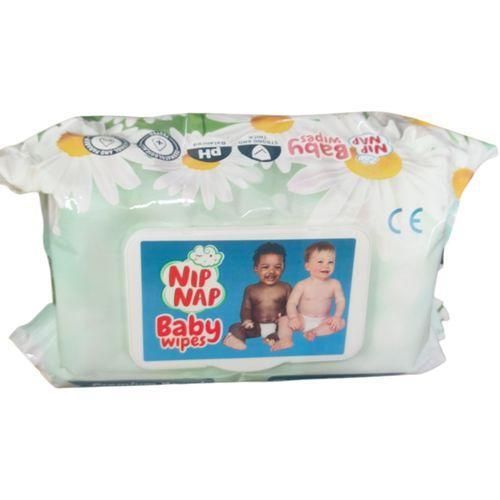
Baby wipes are sheets of fabric or fibre moistened with a liquid formula. The sheet may be made from materials such as cotton, wood pulp, rayon, polyester or polypropylene. The liquid commonly contains water, cleansing ingredients and preservatives to help keep the product usable during storage.
Depending on the brand, the formula may also contain moisturising ingredients, pH-adjusting ingredients and fragrance. Preservatives are important because a moist product can support the growth of bacteria or mould if it is not adequately protected.
The ingredient list is therefore worth reading, especially if your baby has sensitive skin. The US Food and Drug Administration explains the common components of disposable wipes and advises consumers to check labels, use wipes as directed and store them correctly. Read the FDA's guide to disposable wipes.
When shopping for baby wipes in Kenya, compare the ingredients and the intended use rather than assuming that every product labelled “baby wipes” has the same formula.
Fragrance-Free vs Scented Baby Wipes
One of the first decisions when buying wipes is whether to choose a fragranced or fragrance-free product.
Fragrance-free wipes
Fragrance-free wipes are a practical starting point for many families, particularly when a baby has sensitive skin or is prone to irritation. They avoid added fragrance ingredients, although the wipes may still have a noticeable smell from their other ingredients.
If your baby develops redness or irritation after using a particular product, stop using it and consider switching to a simpler alternative.
Scented wipes
Scented wipes contain fragrance to give them a particular smell. Some parents prefer this, but fragrance is not necessary for cleaning the nappy area.
Fragrance can trigger irritation or eczema symptoms in some children. If your baby has eczema or a history of reactions to skincare products, consider fragrance-free options and ask a healthcare professional for advice if you are unsure. The American Academy of Dermatology recommends fragrance-free products for children with eczema. See its guidance on eczema-friendly products.
Is “unscented” the same as “fragrance-free”?
Not necessarily. “Unscented” generally means a product has little or no noticeable scent, but it may contain ingredients used to mask other smells. “Fragrance-free” is the more useful label to look for when you want to avoid added fragrance.
Always check the ingredient list rather than relying on the front of the pack alone.
Should Baby Wipes Be Alcohol-Free?
For routine nappy changes, alcohol-free baby wipes are a sensible choice. NHS guidance recommends water or fragrance-free, alcohol-free baby wipes for cleaning a baby's nappy area. Fragranced products and wipes containing alcohol may irritate some babies' skin. Read the NHS advice on nappy rash.
Check the product label for its intended use and ingredients. Do not confuse baby wipes with household disinfectant wipes, hand-sanitising wipes or antibacterial surface wipes. Products designed for cleaning surfaces are not intended for use on a baby's skin.
For newborns, especially in the first few weeks, plain water and a soft cotton cloth may be a suitable alternative. Some newborn-care guidance recommends avoiding ordinary baby wipes initially and introducing mild, fragrance-free and alcohol-free options later. If your baby was premature or has particular skin concerns, ask your midwife, clinician or paediatric healthcare professional what is appropriate.
What Ingredients Should You Look For?
There is no single ingredient list that is best for every baby. The goal is to choose a product designed for infant skin, with clear labelling and ingredients that your child tolerates.
For nappy care, look for wipes labelled alcohol-free
Avoid choosing wipes solely because they say “natural”, “gentle” or “premium”. These terms do not, on their own, establish that a product will suit your baby's skin.
If you know your child reacts to a particular ingredient, check the label each time you buy. Formulas can change, even when the brand and packaging look familiar.
How to Choose Baby Wipes in Kenya
The best baby wipes are not necessarily the most expensive or the ones with the longest list of claims. Focus on what works for your baby and your daily routine.
Consider your baby's skin
For everyday use, start with wipes intended for babies and check whether they are fragrance-free and alcohol-free. If your child has eczema, recurring nappy rash or sensitive skin, a soft cloth and water may be more comfortable than repeated wiping.
If irritation begins after switching brands, stop using the new wipes and observe whether the skin improves. Seek medical advice if the rash persists, spreads, becomes painful or develops blisters, pus or other concerning symptoms.
Check the texture and strength
A wipe should be strong enough to use without tearing easily, while remaining soft against the skin. Very thin wipes may require several sheets for one nappy change, which can reduce any apparent savings from a large pack.
Consider whether the wipe can clean effectively without excessive rubbing. Wipe gently and allow the area to dry before fastening a clean nappy.
Check the packaging
A resealable lid or secure sticker can help prevent wipes from drying out between uses. Check that the packaging closes properly and that the wipes are evenly moist when first opened.
Avoid using wipes that have changed colour, developed an unusual smell, appear contaminated or are past any stated expiry date. Follow the storage instructions and avoid leaving packs in hot places, such as a vehicle, for long periods.
Think about where you will use them
A large pack may be convenient at home, while a smaller pack can fit more easily into a changing bag. If you travel frequently, consider whether the packaging can be closed securely after each use.
You may find that one product works well at home and a different pack size is more practical when travelling. You do not need to buy multiple brands unless there is a clear reason to do so.
How Many Baby Wipes Will You Actually Use?
The number of wipes you use depends on your baby's age, the frequency of nappy changes, the type of nappies you use and how many sheets each clean-up requires.
Newborns often need more frequent nappy changes than older babies. Some changes may need only a few wipes, while a bowel movement may require considerably more. There is no single monthly quantity that applies to every family.
A simple calculation can help you estimate your household's needs:
Monthly wipe use = average wipes per nappy change × daily nappy changes × 30
For example, if you use an average of five wipes per change and change nappies eight times a day:
- Five wipes × eight changes = 40 wipes per day.
- Forty wipes × 30 days = 1,200 wipes per month.
- If each pack contains 80 wipes, that is approximately 15 packs per month.
This is an illustration, not a recommendation or a prediction of your baby's actual usage. Your figure may be much lower or higher. Track your use for one week and multiply the total by about 4.3 to estimate a typical month more accurately.
How to calculate the cost
Once you know your approximate monthly use, compare the cost per wipe rather than looking only at the price of each pack.
Cost per wipe = pack price ÷ number of wipes in the pack
For example, if a pack costs KSh 200 and contains 80 wipes, each wipe costs KSh 2.50. If a pack costs KSh 300 and contains 150 wipes, each wipe costs KSh 2.
These figures are examples for calculation purposes, not current retail prices. Check the actual price and count before comparing products.
A low-cost product is not good value if it repeatedly irritates your baby's skin
A jumbo pack may offer a lower cost per wipe, but only if the wipes remain moist and you can use them before the pack becomes unsuitable.
Are Water and Cotton Wool Cheaper Than Wipes?
They can be, depending on the cost of supplies and your routine. Cotton wool or reusable soft cloths with clean water can be useful alternatives, especially at home.
Consider the practical differences:
Disposable wipes: Convenient for outings and quick changes, with no cloth to wash.
Cotton wool and water: Useful for gentle cleaning, particularly when you want to keep ingredients to a minimum.
Reusable cloths and water: May reduce recurring disposable purchases, but require reliable washing, thorough drying and hygienic storage.
There is no need to choose just one method for every situation. Some families use water and cloth at home and carry wipes when travelling.
Whichever method you choose, clean the skin gently, avoid unnecessary rubbing and make sure the area is dry before putting on a fresh nappy.
How to Use Baby Wipes Properly
Even suitable wipes can cause irritation if they are used roughly or if moisture is left on the skin for long periods.
Follow these practical steps:
- Wash your hands and prepare the clean nappy and other supplies before starting.
- Open the nappy and remove stool gently, using a clean part of the wipe for each pass.
- Clean the skin without scrubbing, paying attention to skin folds.
Wipe from front to back when cleaning a girl's nappy area to reduce the risk of transferring stool towards the urinary opening.
Allow the skin to dry before fastening the clean nappy.
Close the wipe pack securely and dispose of used wipes appropriately.
Change wet or dirty nappies promptly. Wipes are only one part of nappy care; keeping the skin clean and dry also matters.
For more guidance, read Preventing and Treating Nappy Rash at Home and use the Diaper Size Chart for Kenya to help choose a suitable nappy fit.
Can Baby Wipes Be Flushed Down the Toilet?
It is safest to put used baby wipes in a bin rather than flush them, even when the packaging describes them as flushable. Wipes may not break down like toilet paper and can contribute to blockages in household plumbing or sewer systems.
Follow local waste-disposal guidance and keep used wipes out of reach of children. Do not reuse disposable wipes after cleaning the nappy area.
Which baby wipes are best for newborns in Kenya?
For a newborn, particularly during the first few weeks, plain water and a soft cloth may be a suitable option. If you use wipes, choose a product intended for baby care and check that it is fragrance-free and alcohol-free. Ask a healthcare professional for advice if your baby was premature or has skin concerns.
Are fragrance-free baby wipes better?
They can be a useful choice for babies with sensitive skin because they avoid added fragrance ingredients. However, no wipe suits every child, and other ingredients or friction can still cause irritation. Stop using a product if you notice a reaction.
Do baby wipes prevent nappy rash?
Wipes help remove urine and stool, but they do not guarantee that nappy rash will be prevented. Change nappies promptly, clean gently, allow the skin to dry and seek advice if a rash persists or worsens.
How many packs of baby wipes should I buy each month?
Estimate your daily use and multiply it by 30. Divide the result by the number of wipes in each pack to estimate how many packs you need. Track your own usage for a week to get a more realistic figure than relying on a general estimate.
Can I use ordinary wet wipes instead of baby wipes?
Do not assume ordinary wet wipes are suitable for a baby's skin. Household, disinfectant and surface-cleaning wipes should never be used on babies. Choose products specifically intended for skin or use clean water and a soft cloth.
What should I do if baby wipes cause a rash?
Stop using the product and clean the area gently with water and a soft cloth. Seek medical advice if the rash persists, spreads, becomes painful or develops blisters, pus or other concerning symptoms.
Choose Wipes That Suit Your Baby and Budget
The right baby wipes in Kenya should clean effectively, suit your baby's skin and fit your household budget. Start by comparing fragrance, alcohol labelling, ingredients, strength and packaging. Then work out your cost per wipe using the actual pack price and count.
You do not need the most expensive brand or the biggest pack. Choose a product your baby tolerates, store it correctly and use water and a soft cloth when that is more suitable. If irritation develops, stop using the wipes and seek medical advice when necessary.