19 Oct 2026
Baby Toys by Age: What Is Genuinely Useful
Explore useful baby toys from newborn to toddler, with age-based suggestions, toy safety checks and budget-friendly ideas for choosing toys that support everyday play.
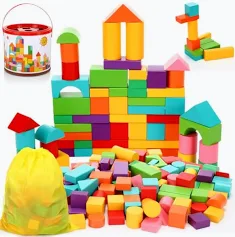
The most useful baby toys are those that match your child's stage of development, encourage safe exploration and can be used regularly rather than sitting untouched in a toy basket. Newborns benefit from simple visual and sensory experiences, older babies enjoy grasping and exploring objects, and toddlers often prefer toys that let them move, build, sort and imitate everyday activities.
When shopping for baby toys in Kenya, you do not need to buy every trending product. A few age-appropriate, well-made toys, combined with supervised interaction with a parent or caregiver, can provide plenty of opportunities for learning and play. Always check the recommended age, construction, small parts and cleaning requirements before buying.
Why Choose Baby Toys by Age?
Babies develop new abilities quickly, so a toy that interests a newborn may no longer hold an older baby's attention. Choosing toys by developmental stage helps you focus on what your child can safely explore and enjoy.
Age recommendations are useful starting points, but babies do not all develop at the same pace. Consider your child's abilities, interests and any specific guidance from a healthcare professional.
Useful toys can encourage:
Sensory exploration: noticing colours, sounds, textures and movement.
Hand-eye coordination: reaching for, holding and transferring objects.
Problem-solving: discovering how objects fit together or move.
Movement: reaching, crawling, standing and walking during supervised play.
Communication: responding to sounds, words, songs and shared attention.
Imaginative play: pretending to feed a doll, prepare food or care for a toy animal as a toddler.
You do not need a separate toy for every skill. Simple objects and everyday interaction can support several types of learning at once.
Newborn to Three Months: Simple Sensory Toys
During the newborn stage, babies are still adjusting to the world around them. They may briefly focus on faces, respond to familiar voices and begin noticing nearby objects. Play should be gentle, short and guided by the baby's comfort.
Useful toys for newborns
**High-contrast picture cards**
Simple black-and-white patterns can give babies something visually interesting to look at during supervised awake time. Hold them at a comfortable viewing distance and follow your baby's interest.
**Soft sensory books**
A soft, washable book with clear pictures can become part of a quiet play routine. Choose one without loose decorations, detachable pieces or long ribbons.
**A simple play gym**
A stable play gym can encourage looking and, later, reaching. Use it only during supervised awake time, check that hanging toys are securely attached and move it away when your baby is sleeping.
What matters most at this age?
Your face, voice and gentle interaction are often more engaging than an expensive toy. Talk to your baby, sing, smile and allow quiet breaks when they look away or become unsettled.
Avoid toys that are noisy, flashing or overwhelming. Newborns do not need electronic entertainment to benefit from play.
Three to Six Months: Grasping and Exploring
As babies gain control of their hands and arms, they may begin reaching for objects, holding toys and bringing safe items towards their mouths. Mouthing is a normal way of exploring, so toy safety becomes especially important.
Useful toys for this stage
**One-piece teethers**
A suitable teether can give your baby something safe to chew on when supervised. Choose a durable product designed for the appropriate age, with no detachable parts or liquid-filled sections that could leak.
**Easy-to-hold rattles**
Lightweight rattles can encourage reaching and grasping. Choose a product that cannot break easily and has no small parts or openings that could trap fingers.
**Soft sensory toys**
Simple crinkle toys can introduce different sounds and textures. Check the stitching regularly and stop using the toy if the filling, squeaker or any internal component becomes accessible.
Make play safe
Place your baby on a safe floor mat during supervised awake time and offer one or two toys within comfortable reach. Avoid leaving small objects nearby, including loose toy parts, coins, buttons and packaging.
If you use a play gym, remove any hanging items that could become a strangulation risk as your baby grows and becomes more mobile, following the manufacturer's instructions.
Six to Twelve Months: Movement, Cause and Effect
Older babies may begin sitting, transferring objects between hands, crawling, pulling themselves up or exploring their surroundings. Toys that respond to simple actions can help them discover cause and effect.
Useful toys for older babies
**Stacking cups**
Large, age-appropriate cups can be stacked, nested and explored. They may also be useful during supervised water play, provided the toys are cleaned and dried properly.
**Large soft or sturdy blocks**
Blocks let babies practise grasping, knocking down simple stacks and moving objects between places. Choose pieces too large to swallow and inspect them for cracks or loose parts.
**Board books**
Thick pages are easier for little hands to explore than delicate paper pages. Read aloud, point to pictures and name familiar objects to make books part of everyday play.
Encourage exploration without rushing milestones
Offer safe floor space and allow your baby to explore at their own pace. You can place a toy just within reach to encourage movement, but avoid pulling a baby into a position they cannot achieve comfortably.
Walkers that place babies in a seated frame with wheels are not recommended because they can cause injuries and do not teach walking effectively. Choose supervised floor play instead.
Twelve to Twenty-Four Months: Active and Imaginative Play
Toddlers often become interested in toys that imitate everyday life, involve movement or let them repeat an action. Their abilities vary widely, so check that a toy suits your child's actual development and not just the age printed on the box.
Useful toys for toddlers
**Building blocks**
Large blocks support stacking, experimenting and simple problem-solving. Begin with a manageable number and let your toddler decide what to build.
**Simple shape sorters**
These can encourage matching and trial and error. Avoid sets with small shapes that fit entirely into a child's mouth, and supervise play.
**Pretend-play toys**
Large play dishes, dolls and simple pretend food can help toddlers imitate familiar activities. Inspect every item for small accessories, detachable eyes and other choking hazards.
**Suitable push-and-pull toys**
These can support active play for children who are ready to walk. Choose stable products without long cords and use them in an open area away from stairs, roads and other hazards.
Do toddlers need electronic toys?
Not necessarily. Toys with screens, lights or sounds may attract attention, but they are not essential for development. Simple toys that encourage conversation, movement, pretend play and interaction can be highly useful.
Whenever possible, join in the activity. Describe what your child is doing, take turns, name colours and objects, and let them explore without expecting every play session to teach a formal lesson.
How to Judge Whether a Baby Toy Is Safe
Before buying any toy, inspect it carefully. A label stating an age range is helpful, but it does not replace checking the product itself.
Check the recommended age
Follow the manufacturer's age guidance and warnings. A toy labelled for older children may contain small parts or features unsuitable for babies, even if it looks harmless.
Look for choking hazards
Small parts are a major concern for babies and young toddlers. Avoid toys with loose buttons, detachable eyes, small magnets, accessible batteries or components that can break off.
A common safety reference is the small-parts cylinder test used in toy safety standards. Do not rely on an improvised home test to establish that a toy is safe; follow age warnings and buy from suppliers who can provide reliable product information.
Inspect construction and materials
Check for sharp edges, splinters, cracked plastic, loose stitching and accessible filling. Avoid toys with long cords or loops that could wrap around a child's neck.
For teething toys, avoid products that can leak, break apart or expose internal contents. Do not freeze a teether unless its instructions explicitly permit it.
Be careful with batteries and magnets
Button batteries can cause severe internal injuries if swallowed. Magnets, especially powerful ones, can also cause serious harm if swallowed. Avoid toys with accessible battery compartments and stop using any product with a damaged cover or missing component.
If you suspect a child has swallowed a button battery or magnet, seek emergency medical care immediately. Do not wait for symptoms.
Check cleaning instructions
Toys are often dropped on floors and mouthed. Choose products that can be cleaned according to their instructions, and dry washable toys thoroughly to help prevent mould.
Discard or repair nothing that cannot be made safe according to the manufacturer's guidance. If a toy is damaged, remove it from use rather than continuing to offer it to your child.
Be cautious with second-hand toys
Pre-loved toys can help reduce household costs, but inspect them carefully. Avoid items with missing parts, damaged batteries, peeling coatings, loose seams or unknown safety histories. Check whether the product has been recalled where reliable recall information is available.
How Many Toys Does a Baby Actually Need?
There is no fixed number of toys every baby needs. A small, rotating collection is often easier to manage than a large basket filled with items your child rarely uses.
A practical starter collection could include:
Toy type
Suggested starting amount
Main purpose
Soft sensory toy or book
1–2
Looking, listening and exploring textures
Rattle or suitable teether
1–2
Grasping and sensory exploration
Stacking cups or large blocks
1 set
Manipulating objects and cause-and-effect play
Board books
2–4
Shared reading and language exposure
Age-appropriate pretend-play toy
1–2
Imitation and imaginative play as the child grows
These are budgeting suggestions, not developmental requirements. You can start with fewer items and add toys as your child's interests change.
Rotate a few toys at a time. Put some away and reintroduce them later, or use familiar household activities such as singing, looking at picture books and playing peekaboo. Everyday interaction can be just as valuable as buying another toy.
Buying Baby Toys in Kenya on a Budget
When shopping for toys for newborns in Kenya or looking for toddler toys in Kenya, prioritise safety and usefulness over quantity.
Start with basics: A board book, a simple rattle and a suitable teether may cover several early interests.
Check the full product details: Look for age guidance, materials, cleaning instructions and safety warnings.
Avoid buying too far ahead: A toy suitable for a toddler may not be safe for your current-stage baby.
Choose versatile items: Stacking cups and large blocks can remain useful as your child's play changes.
Compare quality, not just price: A very cheap toy is not a bargain if it breaks easily or has unsafe parts.
Use everyday play: Talking, singing, supervised floor time and shared books do not require a large toy budget.
Never assume that a product is safe simply because it is sold online or marketed specifically for babies. If the seller cannot provide clear age guidance and trustworthy product information, consider another option.
Frequently Asked Questions
What toys does a newborn need?
A newborn does not need many toys. High-contrast pictures, a simple soft book and supervised use of a suitable play gym can provide gentle sensory experiences. Talking, singing and looking at your face are also valuable forms of interaction.
Which toys are best for a six-month-old baby?
Age-appropriate rattles, one-piece teethers, soft sensory toys, board books and large graspable objects may suit many six-month-olds. Choose based on your baby's current abilities, and check every item for small parts and damage.
Are expensive educational toys better?
Not necessarily. A toy's price does not determine how useful it is. Simple, safe toys that encourage exploration and interaction can be more practical than complex electronic products.
How do I know if a toy is safe for my baby?
Check the age recommendation, warnings, construction, small parts, cords, batteries and cleaning instructions. Inspect toys regularly and remove any that become damaged. Buy from sellers who can provide clear and reliable product information.
Can I give my baby household items instead of toys?
Some everyday objects can be part of supervised play, but they must be suitable for the child's age and free from choking, sharp-edge, strangulation, poisoning and other hazards. Avoid items such as coins, plastic bags, loose lids, batteries and objects that can break into small pieces.
How often should I replace my baby's toys?
Replace or remove a toy when it is damaged, has loose parts, develops sharp edges or can no longer be cleaned safely. You do not need to replace toys simply because a new trend appears; add different options when your child's abilities and interests change.
Choose Toys for Play, Not Just the Toy Basket
The most useful baby toys by age are safe, manageable and suited to the skills your child is beginning to explore. Start with a few simple options, supervise play, inspect toys regularly and add new items only when they meet a genuine need.
Whether you are shopping for toys for a newborn in Kenya or choosing toddler toys in Kenya, focus on age suitability, reliable construction and opportunities for shared play. A thoughtful collection can support everyday exploration without stretching the family budget.
Shopping for your little one?
Browse the collection