
19 Oct 2026
Pyjamas and Sleepwear: Choosing by Season and Age
Learn how to choose baby pyjamas and toddler sleepwear for warm and cool nights in Kenya, including fabric choices, sizing, seasonal layers and safe-sleep essentials.
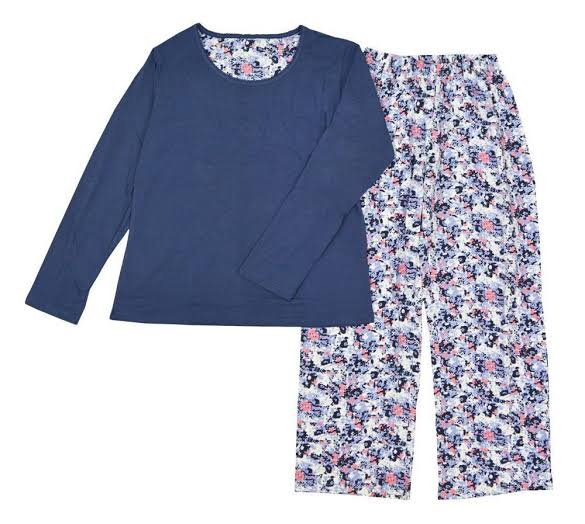
Choosing baby pyjamas in Kenya means finding sleepwear that keeps your child comfortable without causing overheating. The best option depends on your baby's age, the temperature of the room, the fabric and how much coverage the outfit provides. Lightweight cotton may suit warmer nights, while additional layers or warmer sleepwear may be useful in cooler areas and during cold seasons.
Baby and toddler sleepwear should also fit properly, allow free movement and support safe sleep. Rather than buying a thick set for every season, build a small collection of versatile night clothes that you can adjust to your home's conditions.
Why the Right Sleepwear Matters
Babies and toddlers spend a significant amount of time sleeping, so their night clothes need to be comfortable, practical and appropriate for the room temperature.
Sleepwear that is too warm can cause overheating, while clothing that is too light may leave a child uncomfortable in a cold room. The right balance is usually achieved through suitable fabric, a comfortable fit and sensible layering.
When choosing baby pyjamas in Kenya, consider:
Room temperature: Bedrooms in Nairobi, Mombasa and colder highland areas can feel very different overnight.
Age and development: Newborns need different fits and practical features from active toddlers.
Fabric: Breathable, soft materials are useful for everyday wear.
Ease of changing: Simple fastenings make night-time nappy changes less stressful.
Safe sleep: Sleepwear should not have loose cords, bulky hoods or features that could cover the face.
A beautiful matching set is less important than comfort, fit and suitability for the conditions.
Choosing Baby Pyjamas by Season in Kenya
Kenya has varied climates, so there is no single sleepwear combination that works for every household. Consider the temperature inside your baby's bedroom rather than relying only on the month or the weather outside.
Warm nights and hot weather
In warmer conditions, lightweight, breathable sleepwear can help your baby stay comfortable. A light cotton sleepsuit or suitable short-sleeved sleep outfit may be enough, depending on the room temperature and your child's age.
Look for fabrics that feel soft and allow air to circulate. Avoid piling on extra layers because the night feels cool at bedtime; the room may become warmer later.
During particularly hot nights, check your baby's chest or the back of the neck. If the skin feels hot, sweaty or clammy, remove a layer. Cold hands and feet alone do not necessarily mean your baby needs warmer clothes.
Mild nights in Nairobi and central Kenya
Nights can vary in Nairobi and surrounding areas, so a versatile set of long-sleeved cotton pyjamas may be useful for some households. If the room is comfortable, a single layer of appropriate sleepwear may be sufficient.
Keep a lighter option available for warmer nights. This helps you adapt without needing to purchase a separate wardrobe for every weather change.
Cooler nights in highland areas
Families in places such as Limuru, Nyeri and Eldoret may experience colder nights, depending on the season and the home. A long-sleeved sleepsuit or warmer sleepwear may be suitable when the room is cool.
If additional warmth is needed, use appropriate layers or a correctly sized wearable blanket designed for infant sleep, following its product instructions and safe-sleep guidance. Do not rely on a bulky hoodie or thick ordinary blanket to keep a sleeping baby warm.
Rainy or changeable weather
Rainy weather can make evenings feel cooler, but the temperature indoors still matters most. Keep a lightweight and a warmer sleepwear option available if your home experiences noticeable changes between nights.
Avoid dressing your baby in several layers simply because it is raining. Check how warm the room feels and adjust clothing accordingly.
Choosing Sleepwear by Age
Your child's age affects the fit, style and practical features you should look for. However, age alone does not determine how warmly a child needs to be dressed.
Newborns: easy changes and gentle fabrics
Newborns need sleepwear that is soft, comfortable and easy to change during frequent nappy changes. Sleepsuits with suitable front fastenings can be convenient, particularly overnight.
Look for:
Soft fabric that feels comfortable against delicate skin.
A fit that does not restrict the baby's legs or arms.
Fastenings that stay secure during movement.
No loose cords, decorative ties or detachable pieces.
A design that does not cover the baby's face or head.
Avoid buying too many newborn-size outfits before your baby arrives. Babies grow at different rates, and some move into the next size sooner than expected.
Older babies: comfort during movement
As babies begin rolling, reaching and moving more, sleepwear should allow them to move freely. Choose well-fitting sleepsuits or pyjama sets that do not twist around the body or leave excess fabric near the face.
Once a baby shows signs of attempting to roll, swaddling should stop. If you use a wearable blanket, choose one appropriate for the baby's size and stage of development, and follow its instructions.
Toddlers: freedom and independence
Toddlers may prefer two-piece pyjamas because they are familiar and easy to put on. A top and trousers can also make toilet training and dressing practice easier.
Choose a comfortable waistband, sleeves that do not cover the hands and trouser legs that are not so long that they create a tripping hazard when your child gets out of bed. Avoid cords around the waist or neck.
Toddlers may kick off covers or change position frequently. Check the room temperature and select suitable sleepwear rather than repeatedly adding thick layers.
Which Fabrics Work Best for Baby Night Clothes?
Fabric affects comfort, breathability, washing and how warm sleepwear feels. Check the garment label because fabric blends and thickness vary between products.
Fabric
Potential benefits
What to consider
Cotton
Soft, versatile and available in lightweight options
Thickness and weave affect warmth
Cotton-rich blends
May be easy to care for and comfortable
Check the fibre composition and feel
Fleece
Can provide extra warmth in cool conditions
May be too warm in a hot room
Ribbed cotton
Stretch can make dressing easier
Check that the fit remains comfortable
Lightweight jersey
Flexible and suitable for many everyday outfits
Choose the weight according to room temperature
For many families, cotton baby night clothes are a useful starting point because lightweight versions can work across different conditions. However, no fabric is automatically right for every child or room.
If your baby has sensitive skin, choose smooth fabrics and avoid irritating seams, scratchy labels or products that seem to trigger discomfort. Follow the care label and wash new clothes before use.
How Many Pyjamas Does Your Baby Need?
The right number depends on your washing routine, how often your child spills milk or has nappy leaks, and whether the weather requires different weights of sleepwear.
A practical starting point could be:
Item
Suggested starting quantity
Why it helps
Lightweight sleepsuits or pyjama sets
3–5
Everyday use and laundry rotation
Warmer sleepwear
1–2
Cooler nights, if needed
Lightweight spare set
1
Useful for unexpected spills or leaks
Suitable wearable blanket
1–2, if used
An alternative to loose bedding for appropriate ages
These are planning suggestions, not strict requirements. You may need fewer items if you wash frequently or more if laundry is less frequent.
Avoid buying several thick pyjama sets before you know how cool your child's bedroom gets. Begin with everyday essentials and add seasonal pieces when you understand your needs.
For help planning a newborn wardrobe, read the Newborn Clothing Checklist. You can also use the Baby Clothing Size Guide for Kenya when choosing sizes.
How to Dress Your Baby for Sleep Safely
Comfortable sleepwear is only one part of safe sleep. Babies need an appropriate sleep environment as well as clothing suited to the temperature.
Follow these general principles:
Keep the head uncovered indoors. Do not use a hood, hat or other head covering during routine indoor sleep.
Avoid overheating. Check the chest or back of the neck and remove a layer if your baby feels hot or sweaty.
Choose a clear sleep space. Keep pillows, loose blankets, soft toys and other loose items out of an infant's sleep area.
Use suitable sleepwear. Choose clothing that fits well and has no loose cords, bulky decorations or parts that can cover the face.
Be careful with wearable blankets. Select the correct size and follow the manufacturer's instructions. Do not use weighted sleepwear or weighted blankets for infants.
Stop swaddling when rolling attempts begin. Use an appropriate alternative if extra warmth is needed.
Do not use a thick hoodie or a heavy ordinary blanket as a substitute for suitable infant sleepwear. If your baby is unwell, premature or has specific medical needs, ask a healthcare professional for advice about sleep clothing and temperature.
For more guidance, read the Safe Sleep and Baby Sleepwear Guide.
Common Sleepwear Shopping Mistakes to Avoid
Buying only by age label
Age labels are approximate. Compare the garment's measurements with your child's size and check that it fits comfortably. Sleepwear should not be so tight that it restricts movement or so loose that excess fabric creates a safety concern.
Choosing thick pyjamas for every night
A thick set may be useful during a cold spell but uncomfortable on a warmer night. A few different weights of sleepwear can be more practical than filling the wardrobe with heavy outfits.
Ignoring fastenings
Complicated buttons or awkward openings can make night-time changes difficult. Choose a design that suits your routine and check that zips or snaps do not irritate your baby's skin.
Buying matching sets that are difficult to mix
Matching pyjamas can look appealing, but buying a few simple tops and bottoms in compatible colours may offer more flexibility. This is especially useful for toddlers who may need a clean top more often than clean trousers.
Assuming a cold room requires many layers
More clothing is not always better. Check your baby's body temperature and consider the actual room conditions. Overheating can be a concern, particularly for young infants.
Frequently Asked Questions
Are cotton pyjamas best for babies in Kenya?
Lightweight cotton pyjamas are a versatile option for many households, particularly in warmer conditions. The best choice still depends on the room temperature, the garment's thickness and your baby's comfort.
Should my baby wear long sleeves at night?
Not always. Long sleeves may be useful in a cool room, while lightweight or shorter-sleeved sleepwear may suit warmer conditions. Check your baby's chest or the back of the neck to help judge whether an extra layer is needed.
How do I know if my baby is too hot while sleeping?
Feel the chest, tummy or back of the neck. Hot, sweaty or clammy skin can indicate that your baby is too warm. Remove a layer and reassess the room conditions. If your baby is unusually sleepy, difficult to wake or appears unwell, seek urgent medical advice.
Can my baby sleep in a hoodie or sweatshirt?
A hoodie or sweatshirt is generally not the best choice for infant sleep, especially if it has a bulky hood, cords or excess fabric. Choose suitable sleepwear that keeps the head uncovered and supports a safe sleep environment.
When should I switch from sleepsuits to two-piece pyjamas?
There is no fixed age. Many families introduce two-piece pyjamas as their child grows and becomes more mobile, but fit, comfort and ease of changing matter more than a specific birthday.
How many baby pyjamas should I buy before birth?
A small rotation of around three to five lightweight sleepsuits is a reasonable starting point for many families, with one or two warmer options if needed. Adjust the quantity to your laundry routine and the temperatures in your home.
Choose Sleepwear That Works for Your Family
The best baby pyjamas in Kenya are the ones that suit your child's age, fit comfortably and match the temperature of the room. Start with a few breathable everyday pieces, add warmer options if your home gets cold at night and avoid unnecessary layers.
When shopping for toddler sleepwear or baby night clothes, prioritise fabric, fit, ease of changing and safe-sleep considerations over appearance alone. A small, adaptable collection can help your child stay comfortable through changing seasons without unnecessary spending.
Shopping for your little one?
Browse the collection