
16 Oct 2026
Hoodies and Sweatsets: When Your Baby Actually Needs Them
How to judge whether your baby is cold, and where hoodies and sweatsets fit in a Kenyan wardrobe.
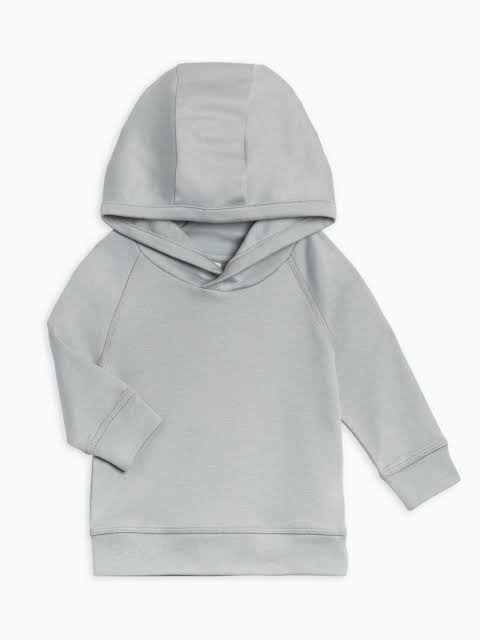
Babies do not need hoodies or sweatsets every day, but these clothing items can be useful when the weather is cool, during early mornings and evenings, or when travelling between warm and cold places in Kenya. The key is to dress your baby for the actual conditions, choose comfortable layers and check whether your little one is too warm or too cold rather than relying on the weather forecast alone.
For parents shopping for a baby hoodie in Kenya, the best choice depends on your baby’s age, the weather, how much time you spend outdoors and the clothes already in the wardrobe. A soft hoodie or matching sweatset can be practical, but it should complement everyday essentials such as bodysuits, sleepsuits and comfortable trousers.
What Are Baby Hoodies and Sweatsets?
A baby hoodie is a top with a hood, usually made from cotton, fleece or another soft fabric. Depending on its design, it may have a zip, buttons or a pullover style. A baby sweatset is usually a matching top and pair of trousers made from similar fabric.
Both can provide an extra layer of warmth, but they serve slightly different purposes.
Baby hoodies
A hoodie is useful as an outer layer over ordinary clothing when the air feels cool. A zip-up design is often easier to put on and remove than a pullover, particularly when changing a young baby.
For everyday use, look for:
Soft fabric that feels comfortable against the skin.
A fit that allows your baby to move freely.
Fastenings that are easy to manage during dressing.
A hood that can be removed from the head when indoors or when it is not needed.
No loose cords, long ties or small detachable decorations that could present a safety risk.
Baby sweatsets
A sweatset gives your baby a coordinated top and trousers. It can be convenient for outings, visits to relatives and casual days when you want an easy outfit.
Check that the waistband is comfortable, the trousers do not restrict movement and the top is not so thick that your baby overheats once indoors. Matching sets are convenient, but buying separate tops and trousers can offer more flexibility because each piece can be worn with other clothes.
When Does Your Baby Actually Need a Hoodie?
The answer depends on the temperature, wind, time of day and what your baby is already wearing. A hoodie is an optional extra layer, not a daily requirement.
During cool Nairobi mornings and evenings
Nairobi can feel chilly in the early morning and after sunset, even when afternoons are warmer. A lightweight hoodie may be helpful for a walk, an outdoor visit or the journey to childcare.
Dress your baby in a comfortable base layer first, then add the hoodie if needed. When the day warms up or you move into a heated or crowded indoor space, remove the extra layer and check your baby's temperature again.
In colder highland areas
Families travelling to places such as Limuru, Nyeri or Eldoret may encounter cooler conditions, particularly at night and during some seasons. A warmer sweatset can be useful for supervised daytime activities, while additional layers may be needed depending on the actual temperature.
Do not assume that one thick outfit is enough for every situation. Several comfortable layers are easier to adjust as conditions change.
During travel
A baby hoodie or sweatset can be useful on a cool journey, but clothing needs to work with the travel arrangement.
If your baby is travelling in a car seat, avoid thick, padded hoodies or bulky coats underneath the harness. These can compress in a crash and leave the harness less secure. Dress your baby in thin, comfortable layers, fasten the harness snugly according to the car-seat instructions, then place a blanket over the secured harness if extra warmth is needed. Keep the baby's face uncovered and check regularly for overheating.
In air-conditioned spaces
A cool supermarket, clinic or other air-conditioned environment may call for a light extra layer, especially if your baby is dressed in a sleeveless or short-sleeved outfit. You may not need a thick sweatset; a light cardigan or hoodie could be enough.
How to Tell Whether Your Baby Is Cold
Parents often wonder, “Is my baby cold?” Touching the hands or feet alone may not give you a reliable answer. Babies, especially newborns, can have cooler hands and feet even when the rest of the body is comfortably warm.
Instead, check your baby's chest, tummy or the back of the neck.
Signs your baby may need another layer include:
The chest or tummy feels cool to the touch.
Your baby appears uncomfortable in a cool environment.
Your baby has been exposed to a noticeable drop in temperature and is wearing very little clothing.
If your baby's chest or back feels hot, sweaty or clammy, remove a layer. Flushed skin can also be a sign that your baby is too warm.
A baby who is unusually sleepy, difficult to wake, breathing abnormally or showing other concerning symptoms needs prompt medical assessment. Do not rely on adding clothes to treat possible illness. If your baby feels unusually cold or you are concerned about their condition, seek medical advice.
How Many Warm Baby Clothes Should You Buy?
You do not need a large collection of hoodies and sweatsets. Start with your baby's daily clothing needs and add warm pieces according to your climate and routine.
A practical starting point might be:
Clothing item
Suggested starting quantity
Best use
Lightweight hoodie or cardigan
1–2
Cool mornings, evenings and outings
Baby sweatsets
1–2
Casual outfits and cooler days
Bodysuits or vests
Several
Everyday base layers
Sleepsuits
Several
Comfortable clothing for rest and bedtime
Warm blanket
1–2, as appropriate
Supervised use when extra warmth is needed
These are planning suggestions, not strict requirements. Your baby's laundry routine, age, clothing size and local weather may mean you need fewer or more items.
Before buying, check your existing wardrobe. You may already have enough warm layers from gifts or clothing your baby has outgrown and passed down from a sibling.
For help choosing the right size, see the Baby Clothing Size Guide for Kenya. If you are preparing a first wardrobe, the Newborn Clothing Checklist can help you prioritise essential pieces before buying optional outfits.
Choosing the Right Baby Hoodie in Kenya
When comparing a baby hoodie in Kenya, focus on comfort, practicality and suitability for the weather rather than appearance alone.
Choose fabric for the conditions
Light cotton or a cotton-rich fabric may work well as an extra layer in mild weather. Fleece and thicker sweat fabrics can provide more warmth in cooler conditions, but they may be too warm in a hot room or during active play.
Read the garment's care label and check whether the fabric feels soft enough for your baby's skin. If your baby has sensitive skin, avoid rough seams, scratchy labels and fabrics that cause irritation.
Get the fit right
A hoodie should allow free movement without being so oversized that the sleeves cover your baby's hands or the garment becomes cumbersome. Trousers should stay comfortably in place without digging into the waist or restricting the legs.
Do not buy a much larger size solely to make an item last longer if it compromises comfort or safe movement. Babies grow at different rates, so use the size guide and check the actual garment measurements where available.
Consider how easy it is to wash
Babies can spill milk, drool and get food or outdoor dirt on their clothes. Choose pieces that can be washed according to their care labels without requiring complicated maintenance.
Neutral colours and simple designs can be easier to coordinate with existing clothes. If you want a matching sweatset for photographs or outings, consider whether each piece can also be worn separately.
Check practical details
Look for smooth seams, secure fastenings and a comfortable neckline. Avoid loose decorative cords around the neck and remove any detachable accessories that could become choking hazards.
For babies who are beginning to crawl or walk, ensure the trousers and sleeves do not drag on the floor or interfere with movement.
Hoodies, Sweatsets or Cardigans: Which Should You Choose?
The best option depends on how you plan to use it.
Clothing type
Main advantage
When it may be useful
Lightweight hoodie
Casual extra layer
Cool outings and morning walks
Baby sweatset
Coordinated outfit
Visits, travel and everyday wear
Cardigan
Easy to put on and remove
Changing indoor and outdoor temperatures
Fleece layer
More warmth
Colder conditions, when appropriate
Bodysuit or vest
Comfortable base layer
Everyday dressing under other clothes
For many Kenyan families, a light cardigan or hoodie is more versatile than several thick sweatsets. You can combine it with existing outfits and remove it when the weather changes.
Are Hoodies Safe for Sleeping?
A hoodie is generally better treated as daytime clothing rather than sleepwear, particularly if it has a bulky hood, cords or other features that could interfere with safe sleep.
For sleep, follow safe-sleep guidance and use suitable sleepwear for the room temperature. Keep your baby's head uncovered indoors and do not use a hood to keep the baby warm while sleeping. Avoid loose blankets in the baby's sleep space.
If your baby needs extra warmth, choose appropriately fitted sleep clothing or a suitable wearable blanket designed for infant sleep, following its instructions and safe-sleep recommendations.
Read the Safe Sleep and Baby Sleepwear Guide for more information on keeping your baby comfortable without adding unnecessary risks.
How to Save Money on Baby Hoodies and Sweatsets
Warm outfits can be useful, but babies often outgrow clothes quickly. A few practical choices can help you avoid spending too much.
Buy for the current season and size. Avoid purchasing several thick outfits your baby may outgrow before the cooler weather arrives.
Choose mix-and-match colours. A hoodie that works with several pairs of trousers is often more useful than a matching set that can only be worn together.
Prioritise comfort over fashion. Soft fabric, a good fit and easy washing matter more than decorative details.
Check what you already own. A cardigan or long-sleeved top may provide enough warmth for mild conditions.
Plan around laundry. Buy enough clothing to cover your usual washing schedule rather than stocking up without a clear need.
Use hand-me-downs where suitable. Check that pre-loved garments are clean, in good condition and free from loose fastenings or damaged parts.
The goal is to build a practical wardrobe that suits your baby's routine. Hoodies and sweatsets are useful additions when the weather calls for them, but they should not take priority over everyday essentials.
Frequently Asked Questions
Does my newborn need a hoodie?
Not necessarily. Your newborn needs clothing suited to the temperature, with extra layers added when appropriate. A soft, easy-to-remove layer may be useful during cool weather, but avoid bulky clothing and keep your baby's head uncovered indoors.
How can I tell if my baby is cold at night?
Feel your baby's chest, tummy or the back of the neck rather than relying only on cold hands or feet. If the body feels cool, consider whether an appropriate clothing layer is needed. If your baby feels hot or sweaty, remove a layer. Keep the sleep space free of loose blankets and follow safe-sleep guidance.
Are baby sweatsets suitable for hot weather in Kenya?
Thick sweatsets may be uncomfortable in hot weather. Choose lightweight, breathable clothing and adjust layers to the conditions. You do not need to dress your baby in a hoodie simply because it is part of a matching set.
Should I buy a hoodie one size bigger?
A little room for growth can be practical, provided the garment still fits safely and comfortably. Sleeves should not obstruct your baby's hands, and the neckline and body should not be excessively loose. Use the size guide rather than relying on age labels alone.
Is a hoodie enough for a cold night upcountry?
That depends on the room temperature and your baby's sleepwear. A hoodie is not a substitute for appropriate sleep clothing. Choose suitable layers or a correctly sized wearable blanket, keep the baby's head uncovered and follow safe-sleep guidance.
How many baby sweatsets do I need?
One or two can be a reasonable starting point if your baby regularly needs warm daytime outfits. Your actual needs depend on the climate, laundry schedule and clothes already available. Add more only when you know they will be used.
Build a Practical Wardrobe for Your Baby
A baby hoodie or sweatset can be a useful purchase for cool Nairobi mornings, highland trips and changing temperatures, but it is not an everyday necessity for every child. Start with comfortable basics, add removable layers when needed and check your baby's body temperature to help avoid both underdressing and overheating.
When shopping for a baby hoodie in Kenya, choose soft fabrics, a comfortable fit and easy-care designs that work with clothes your baby already owns. A small, versatile collection will usually serve your family better than buying many thick outfits that may rarely be worn.
Shopping for your little one?
Browse the collection