
8 Oct 2026
Baby Formula Stages Explained: Stage 1, 2 and 3
Understand Stage 1, 2 and 3 baby formula, how to compare age guidance, estimate how long a tin lasts and plan monthly formula costs in Kenya.
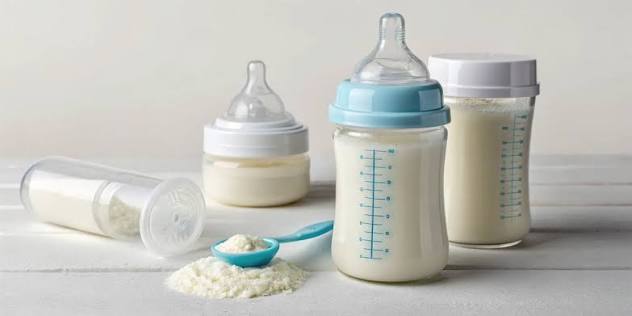
Baby formula stages are generally grouped according to a baby's age and nutritional needs, with Stage 1 commonly intended for younger babies, Stage 2 for older infants and Stage 3 for toddlers. However, the exact age range, ingredients and instructions can vary between formula brands, so parents should always check the specific tin and follow advice from a qualified healthcare professional.
For parents in Kenya, understanding baby formula stages Kenya searches can make shopping easier and help avoid buying a formula that is unsuitable for your child's age. It is also useful to understand how long a tin may last and how to estimate the monthly cost before choosing a feeding routine.
What Do Baby Formula Stages 1, 2 and 3 Mean?
Formula stages are a way manufacturers organise products for different ages and developmental periods. They are not necessarily identical across every brand.
A typical progression looks like this:
Formula stage Common age grouping What parents should know
Stage 1 Younger infants Often marketed as an infant formula for the earliest stage of feeding
Stage 2 Older infants Usually marketed for babies who have moved into a later infant stage
Stage 3 Toddlers Often marketed as a follow-on or growing-up formula for older children
These age categories are general. The correct product depends on the specific manufacturer's instructions and your baby's circumstances.
If your baby was born prematurely, has a diagnosed allergy or intolerance, is not gaining weight as expected, or has another medical or nutritional concern, speak to a healthcare professional before changing formula.
Stage 1 Formula: What Is It?
Stage 1 is generally positioned as formula for younger infants. Parents shopping for formula stage 1 2 3 products should not assume that every Stage 1 formula has the same composition or preparation instructions.
The tin should clearly state:
The intended age range
How much powder and water to use
Preparation instructions
Storage instructions
How long prepared formula can be kept
Any specific warnings
The manufacturer's contact information
Preparation instructions are particularly important. Do not change the powder-to-water ratio to make the formula thicker or thinner unless a qualified healthcare professional specifically instructs you to do so.
Stage 2 Formula: When Does It Start?
Stage 2 is commonly marketed for older infants. The exact recommended starting age depends on the product.
This is why parents should not switch simply because a baby reaches a particular birthday. Check the label of the formula you are currently using and the product you intend to buy.
If your baby is doing well on their current formula, there may not be a need to change products simply because another stage is available. If you are considering a change, particularly because of feeding difficulties or digestive symptoms, discuss it with a healthcare professional.
Stage 3 Formula: What Is It?
Stage 3 formulas are generally marketed for toddlers and older children rather than young infants.
Parents should pay attention to the wording on the packaging because Stage 3 products can differ considerably between brands. Some are positioned as growing-up or toddler formulas rather than as the primary milk feed for a young baby.
The important question is therefore not simply, "Is this Stage 3?" but:
What age is this specific product intended for, and how does the manufacturer instruct parents to use it?
Is Stage 2 Better Than Stage 1?
Not necessarily.
A higher number does not automatically mean that a formula is "better". Formula stages are designed and marketed for different age groups.
Parents should choose according to:
The child's age
The product's stated age range
Professional feeding advice where relevant
The child's individual needs
The manufacturer's preparation instructions
Avoid choosing a formula solely because the packaging describes it as more advanced, premium or suitable for growing children.
How Long Does a Tin of Formula Last?
There is no single answer because a tin's duration depends on several factors.
The main factors include:
Tin size
Amount of formula prepared per feed
Number of feeds per day
Age of the baby
Whether formula is used for every feed or alongside breastfeeding
The manufacturer's preparation instructions
A useful planning formula is:
Days a tin lasts = total grams of powder in the tin ÷ grams of powder used per day
For example, if a particular product contains 800 g and the manufacturer's feeding instructions indicate that your baby's daily feeding pattern uses 100 g of powder, the theoretical calculation would be:
800 ÷ 100 = 8 days
This is only an illustration. Always use the actual powder quantity and feeding instructions printed on the product you are buying.
How to Calculate Monthly Formula Cost in Kenya
Parents looking at formula cost per month Kenya should calculate the cost from the actual number of tins used rather than relying on a general monthly estimate.
Use this formula:
Monthly formula cost = price per tin × number of tins used per month
For example, if a tin costs KSh 2,000 and you use five tins in a month:
KSh 2,000 × 5 = KSh 10,000
This is an example calculation, not a current Babybasics price.
Your actual monthly cost will depend on the brand, tin size, feeding pattern and current retail price.
A Simple Formula Budget Table
Item Your figure
Price per tin KSh ____
Tins used per week ____
Estimated tins per month ____
Estimated monthly cost KSh ____
To get a more realistic budget, track your actual formula use for several weeks rather than estimating from one tin.
What Makes Formula Costs Higher or Lower?
Two families can use the same formula brand but have different monthly costs.
The biggest factors include:
Tin size
Larger tins may provide more powder per purchase, but the cost per gram should be compared before assuming that a larger tin is cheaper.
Feeding frequency
A baby taking formula at every feed may use more formula than a baby who receives a combination of breast milk and formula.
Age and feeding pattern
Formula requirements can change as a baby grows. Always follow the manufacturer's feeding guidance and professional advice where applicable.
Retail price
Prices can vary between shops, pack sizes and promotions. Compare the actual price and quantity rather than judging value from the tin size alone.
Should You Buy Formula in Bulk?
Bulk buying can be useful when you already know that your baby tolerates a particular product and you can use the formula before its expiry date.
However, buying several tins at once is not always the cheapest or safest approach.
Before buying in bulk, check:
Expiry date
Seal and packaging condition
Tin size
Price per gram
Storage requirements
Whether your baby is likely to continue using the same product
Whether the product is appropriate for your baby's age
Avoid building a large stockpile when you are about to move between formula stages.
How to Store Formula Properly
Follow the storage instructions printed on the formula packaging.
In general, unopened formula should be stored according to the manufacturer's instructions, away from unsuitable temperatures and moisture.
Once opened, check the manufacturer's instructions for how long the powder should be used and how it should be stored.
Do not use formula from a damaged, leaking, swollen or otherwise compromised container.
Prepared formula also requires careful handling. Follow the manufacturer's preparation and storage instructions rather than relying on assumptions about how long a prepared feed remains safe.
Can You Switch From Stage 1 to Stage 2?
The answer depends on the specific formula and your baby's age and circumstances.
Before switching:
Check the age guidance on both products.
Read the preparation instructions.
Check whether the new product is intended for your child's age.
Consider whether your baby has any known feeding or medical concerns.
Speak with a healthcare professional if you are unsure.
A change in formula can sometimes coincide with changes in feeding or digestion, so monitor your baby and seek professional advice if you are concerned.
Do All Formula Brands Have the Same Stages?
No.
This is one of the most important things to remember when comparing baby formula stages Kenya products.
One manufacturer may organise products differently from another. Age ranges, ingredients, preparation instructions, tin sizes and feeding guidance can all vary.
Do not assume that "Stage 2" from one brand is exactly equivalent to "Stage 2" from another brand.
Always read the specific product label.
Formula Shopping in Kenya
When buying formula in Kenya, parents can make comparison shopping easier by looking at the same information across products.
Compare:
Formula stage
Intended age
Tin weight
Price
Price per gram
Preparation instructions
Number of feeds the product guidance recommends
Expiry date
Storage instructions
If you are shopping online, check the product listing carefully and confirm the product's current availability, pack size and price before placing your order.
For other baby essentials, you can also refer to the Newborn Clothing Checklist for Kenya and Baby Clothing Size Guide Kenya when preparing for a new baby.
How to Plan a Monthly Formula Budget
A practical formula budget starts with your actual household spending.
Record:
1. The price of your chosen tin
Write down the current purchase price.
2. The tin size
Record the number of grams in the tin.
3. How many tins you use
Track how many tins your baby uses over a typical month.
4. Your monthly spend
Multiply the number of tins by the price per tin.
5. Add a small planning margin
Formula prices and your baby's consumption can change, so avoid planning your household budget around an unrealistically exact figure.
This approach is more useful than relying on a generic "monthly formula cost" because every baby's feeding pattern is different.
Common Mistakes Parents Make When Buying Formula
Choosing by stage number alone
A higher stage number does not automatically mean better nutrition. Check the intended age and product instructions.
Comparing tins instead of quantities
A large-looking tin may not necessarily offer the lowest cost per gram.
Ignoring expiry dates
Check the expiry date before buying multiple tins.
Changing formula without checking
If your baby has a feeding or medical concern, seek professional advice before changing formula.
Overestimating how long a tin will last
Actual use depends on the baby's feeding pattern. Track consumption to improve your monthly budget.
Frequently Asked Questions
What is Stage 1 formula?
Stage 1 is generally marketed for younger infants. The exact age range and product instructions vary by manufacturer, so parents should follow the specific tin's guidance.
What is Stage 2 formula?
Stage 2 is generally marketed for older infants. Check the specific product's stated age range before switching.
What is Stage 3 formula?
Stage 3 is commonly marketed for toddlers and older children. It is important to check the manufacturer's intended age and use.
How do I calculate formula cost per month in Kenya?
Multiply the current price per tin by the number of tins your baby uses in a month. Tracking actual consumption gives a more useful estimate than using a general figure.
Does a bigger formula tin always save money?
No. Compare the price per gram and consider the expiry date and how quickly your baby will use the product before buying in bulk.
Can I change formula stages without asking a doctor?
For routine age-stage changes, follow the manufacturer's instructions, but seek advice from a qualified healthcare professional if your baby has feeding difficulties, allergies, poor weight gain or another medical concern.
Shopping for your little one?
Browse the collection