13 Oct 2026
Clothing Sets vs Buying Separates: Which Is Better Value?
Compare baby clothing sets with separates to see which offers better value, how to calculate cost per usable item, and how to build a flexible wardrobe on a budget.
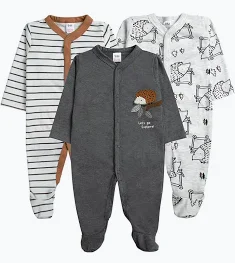
Baby clothing sets can be better value when you need several coordinated pieces at a reasonable total price, but buying separates can offer more flexibility and reduce waste. The best choice depends on the cost per usable item, the quality and fit of each piece, and whether your baby can wear the clothes in different combinations.
For parents in Kenya, the smartest approach is often a mix of both: use sets to cover basic wardrobe needs, then add individual pieces to fill gaps. Before buying, compare what is included, check the sizes and consider how often your baby will wear each item.
What Is the Difference Between Baby Clothing Sets and Separates?
A baby clothing set usually contains two or more coordinated items sold together. Depending on the product, a set may include a top and trousers, a vest and shorts, or several pieces intended to be worn as one outfit.
Separates are individual clothing items purchased independently. These may include bodysuits, tops, trousers, leggings, cardigans and other basics.
Both options can work well in a baby's wardrobe. The difference is how you pay for the clothes and how easily you can combine them with the items you already own.
Feature Clothing sets Separates
Initial cost One combined price Individual prices added together
Coordination Usually designed to match You choose the combinations
Flexibility Depends on how well pieces work separately Often easier to mix with existing clothes
Replacing one item May require buying a replacement separately Replace only the item needed
Risk of unused pieces Higher if one item is impractical or does not fit Lower when you select each item carefully
Best use Building coordinated outfits quickly Filling specific wardrobe gaps
Neither option is automatically cheaper. A set with several useful pieces may offer excellent value, while a low-priced set containing items your baby rarely wears may be poor value.
When Baby Clothing Sets Offer Better Value
When you need several items at once
If your baby's wardrobe is nearly empty, a clothing set can be a convenient way to purchase several coordinated pieces in one transaction.
For example, a set containing a top and trousers may provide a complete daytime outfit. If both pieces are comfortable and can also be worn with other clothes, the set may reduce the number of separate purchases you need to make.
This is particularly useful when preparing a first wardrobe or replacing several outgrown items.
When the price is lower than buying the same pieces separately
Compare the set's total price with the combined price of equivalent individual items. Make sure you are comparing similar materials, sizes, construction and quality.
A set is financially attractive when the pieces you genuinely need cost less together than they would individually.
However, do not assume that a multipack or matching set is a bargain simply because it contains more items. The value depends on what you will actually use.
When the pieces can be worn independently
A set becomes more versatile when its pieces work with other clothes.
A plain top may pair with different trousers, while the trousers may match a bodysuit already in your baby's wardrobe. This creates several outfits from a small number of items.
Before buying, imagine at least two or three ways you could use the pieces. If the entire set only works as one fixed outfit, it may offer less value than it first appears.
When you want simple outfit planning
Matching sets can make dressing easier, particularly when you are short on time. You do not have to spend as long choosing colours or checking whether pieces coordinate.
This convenience may be worth paying for if the clothes are practical, comfortable and suitable for everyday use.
When Buying Separates Is Better Value
When you only need one or two items
If your baby already has plenty of tops but needs more trousers, buying another complete set may be unnecessary.
Separates allow you to purchase exactly what is missing. This helps you avoid spending money on duplicates or items that will remain unworn.
Review your baby's wardrobe before shopping and make a short list of the items you need.
When your baby is between sizes
Babies grow at different rates, and individual garments may fit differently even when they carry the same age label.
If your baby needs longer trousers but still fits comfortably into existing tops, buying separates allows you to replace only the items that have become too small.
A set may be less useful if one piece fits well but another is already too tight or too loose.
For help choosing the right size, refer to the Baby Clothing Size Guide for Kenya.
When you want to create more outfit combinations
Separates give you control over colours, styles and quantities. A few neutral tops and bottoms can create several combinations without requiring a matching set for each outfit.
For example, two tops and two bottoms can create four basic combinations, provided the pieces are suitable to wear together.
This can be especially useful for parents building a small wardrobe on a limited budget.
When you need clothes for a particular climate
Buying individual pieces makes it easier to choose clothing for your local weather.
A family in Nairobi may need a few additional layers for cooler mornings and evenings, while a family in a warmer coastal area may prioritise lightweight clothing.
With separates, you can buy the exact layers or lightweight items you need rather than purchasing a set that includes unsuitable pieces.
How to Compare the Real Value of a Clothing Set
The easiest way to compare a set with separates is to calculate the cost of the items you will actually use.
Cost per usable item = total price ÷ number of usable items
Suppose a set costs KSh 1,200 and contains three pieces. If you will use all three, the average cost is KSh 400 per piece.
If you only expect to use two pieces, the effective cost per usable item becomes KSh 600.
Now compare the set with buying equivalent separates. If the two individual items you need cost less than the set, separates may be the better purchase—even if the set contains more pieces.
These figures are illustrative examples, not current Babybasics prices.
When comparing products, check:
The total price, including any applicable delivery charge.
The number of pieces included.
Whether every piece is useful for your baby.
The material and ease of washing.
The size and fit of each item.
Whether the pieces can be worn with clothes you already own.
Whether buying the items separately would cost less.
The lowest cost per item is not always the best deal. Comfort, durability and how frequently you use each garment also matter.
Example: A Clothing Set vs Three Separates
Imagine you are choosing between a three-piece clothing set and three individual garments.
Comparison Clothing set Separates
Items Three coordinated pieces Three individually selected pieces
Main advantage Convenient, potentially lower combined price More control over what you buy
Possible drawback One piece may go unused Total price may be higher
Best choice when All pieces are useful and the price compares well You need specific items or sizes
To make the decision, compare the actual products rather than relying on the number of pieces alone.
If the set contains a top, trousers and a cardigan you need, it may be a practical purchase. If you already own several cardigans, a set containing another one may not offer the best value.
Build a Baby Wardrobe Using Both Sets and Separates
You do not have to choose only one buying method. Combining sets and separates can give you the convenience of coordinated outfits while keeping your wardrobe flexible.
Start with everyday essentials
Begin with the clothes your baby uses most often, such as bodysuits, vests, sleepsuits, tops and bottoms. Choose quantities based on how frequently you do laundry and how quickly your baby outgrows clothing.
A useful starting point is the Newborn Clothing Checklist for Kenya.
Buy a few practical sets
Choose sets that contain pieces you can use together and separately. Everyday sets are generally more useful than outfits designed only for occasional events.
Check that the pieces are comfortable, easy to change and suitable for your baby's age and environment.
Fill gaps with separates
Once you have the basics, buy individual items to fill specific gaps. You might need extra trousers, a few lightweight tops or a cardigan for cooler weather.
This approach prevents you from buying another complete set when only one item is missing.
Choose colours that coordinate
You can get more use from a small wardrobe by selecting colours that work together.
For example, if your baby's trousers are neutral, they may pair with several tops from different sets. You do not need every item to be part of a matching collection.
What to Check Before Buying Baby Clothes in Kenya
Whether you choose a set or separates, consider the practical needs of your household.
Fabric and comfort: Look for soft, comfortable clothing suitable for your baby's skin and the local climate.
Ease of changing: Simple fastenings and accessible openings can make nappy changes easier.
Fit: Check the size chart and garment measurements. Do not assume that every item with the same age label will fit identically.
Laundry routine: If you wash clothes frequently, you may need fewer items. If drying takes longer during rainy periods, a few extra basics may be useful.
Weather: Choose layers for cooler conditions and breathable clothing for warmer days. Avoid buying thick clothing that your baby is unlikely to need.
Safety: Check for loose buttons, detachable decorations, damaged fastenings and other hazards. Sleepwear should fit appropriately and follow the manufacturer's guidance.
Common Mistakes When Buying Sets and Separates
Choosing quantity over usefulness
A set with many pieces is not necessarily better value. Consider whether each garment fills a genuine need.
Buying sets with limited combinations
If the pieces only look right when worn together, you may get fewer outfits from them. Look for items that can coordinate with other clothes.
Ignoring size differences
One piece in a set may fit differently from another. Check the measurements and return or exchange policy before purchasing, where applicable.
Buying duplicates
Review the clothes you already own. If you have enough tops but need bottoms, separates may be the more sensible option.
Forgetting the cost of delivery
When comparing online prices, consider the total amount you will pay. A lower product price may not be the cheapest option once delivery is included.
Buying for appearance alone
A matching outfit may look attractive, but everyday comfort, ease of washing and practical use should come first.
Frequently Asked Questions
Are baby clothing sets cheaper than buying separates?
Sometimes. A set can cost less than purchasing the same useful pieces individually, but this depends on the products and prices. Compare the total cost and consider whether you will use every item.
Are separates better for a baby capsule wardrobe?
Separates can make a capsule wardrobe more flexible because individual tops and bottoms can be combined in different ways. Sets can also work well when their pieces coordinate with the rest of the wardrobe.
How many baby clothing sets should I buy?
There is no fixed number. Start with the everyday clothing your baby needs, then add sets if they offer useful pieces at a good overall price. Your laundry routine, baby's age and local weather will affect how many outfits you need.
Should I buy matching sets for a newborn?
You can, but matching sets are not essential. Prioritise comfortable, easy-to-change basics and buy matching outfits only if they fit your budget and serve a practical purpose.
How do I know if a baby clothing set is good value?
Check the total price, number of usable pieces, quality, fit and how easily the items combine with other clothes. Calculate the cost per usable item and compare it with equivalent separates.
Is it better to buy baby clothes in neutral colours?
Neutral colours can make mixing and matching easier, but they are not essential. Choose colours and prints that work together and suit your preferences. The goal is to create more useful combinations from fewer pieces.
Final Thoughts
Baby clothing sets can be good value when the price is competitive and every piece serves a purpose. Separates are often better when you need specific items, want more outfit combinations or are replacing only the clothes your baby has outgrown.
For most families, a combination of both offers a practical balance. Buy useful sets, fill gaps with separates and compare the total cost before making a purchase. A smaller wardrobe of comfortable, versatile clothes can offer better value than a larger collection of outfits that rarely get worn.
Shopping for your little one?
Browse the collection