
16 Oct 2026
Baby Clothes for Upcountry Travel and Cold Highland Nights
What to pack for a baby travelling upcountry, especially for cold highland nights and long road trips.
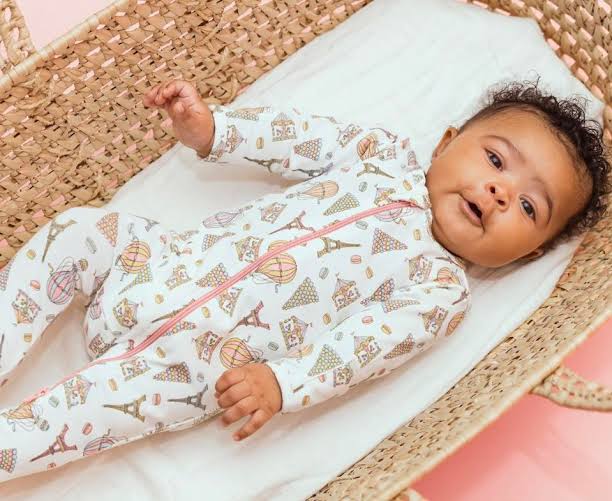
Packing baby clothes for upcountry travel in Kenya requires more than choosing a few cute outfits. If you are travelling from Nairobi to a cooler highland area, your baby may need extra layers for chilly mornings, cold nights and changing temperatures along the journey. The best approach is to pack comfortable everyday clothes, warm layers, suitable sleepwear and enough spares for feeding, spills and nappy changes.
You do not need a completely separate travel wardrobe. A small collection of versatile outfits that can be layered or removed as conditions change will usually be more practical than bulky clothing that your baby wears only once.
What Baby Clothes Should You Pack for Upcountry Travel?
Your packing list depends on your baby's age, the destination, the length of your stay and the weather forecast. A short visit to a warmer area may require mostly lightweight clothing, while destinations in the Kenyan highlands may call for additional layers, especially at night.
Start with these essentials:
Comfortable bodysuits or vests.
Sleepsuits or pyjamas suitable for the expected temperatures.
Trousers, leggings and tops.
Cardigans, jumpers or other removable warm layers.
Socks that fit comfortably.
A suitable outdoor hat for cold or windy conditions.
Extra outfits for spills and nappy leaks.
A light blanket for supervised use while travelling outside the car seat, where appropriate.
For a short trip, begin with your baby's usual daily clothing needs and add spare outfits based on how often changes are needed and how frequently you can wash clothes at your destination.
Dressing Baby for Cold Highland Nights in Kenya
Highland areas such as Nyeri, Limuru, Eldoret and other cooler parts of Kenya can feel chilly, particularly in the early morning and at night. Conditions vary by location and season, so check the forecast before leaving rather than packing according to the destination name alone.
Use layers instead of one bulky outfit
Several comfortable layers make it easier to adjust your baby's clothing when temperatures change. A breathable base layer can be combined with a cardigan or another suitable layer when the baby is awake and the surroundings are cool.
For example, you might pack:
A comfortable cotton vest or bodysuit.
A long-sleeved top or sleepsuit.
A cardigan or jumper for cooler periods.
Socks that fit without tight elastic.
The exact combination depends on the room temperature, the baby's age and the thickness of the garments. Avoid dressing your baby in so many layers that they become overheated.
Choose suitable sleepwear
Cold nights can make parents want to add several layers or cover a baby with thick blankets. However, sleepwear should be chosen with safe sleep practices in mind.
Use appropriately sized sleepwear or a suitable wearable blanket, following the product's guidance and the room conditions. Keep the baby's sleep surface firm and flat, and avoid loose blankets, pillows and other soft items in the sleep space.
Check your baby's chest or back to assess warmth. Hands and feet can feel cool even when the baby's body is comfortable, so do not rely on them alone.
For more information, read the Safe Sleep and Baby Sleepwear Guide.
Keep warm clothing practical
Warm clothes should still allow free movement and easy nappy changes. Choose layers that open easily and avoid garments that require removing several pieces every time you need to change your baby.
Before packing, inspect buttons, zips, seams and other fastenings. Make sure nothing is loose or damaged, and avoid clothing with small detachable decorations.
How to Dress Baby for a Long Road Trip
Long road journeys across Kenya can involve changing temperatures, traffic delays and stops along the way. Your baby may be comfortable in one outfit when you leave Nairobi but need a lighter or warmer layer later.
Dress for the car's temperature
Choose comfortable clothing that does not bunch up behind your baby's back when they are strapped into the car seat. Thick coats, padded jackets and bulky snowsuits should not be worn under a car-seat harness because they can prevent the harness from fitting securely.
Instead, dress your baby in suitable thin layers, secure the harness according to the car-seat instructions, and add a blanket over the secured harness if needed. Keep the baby's face uncovered and ensure the blanket cannot obstruct breathing.
Remove extra layers if the car becomes warm. Do not use clothing thickness as a substitute for checking the baby's comfort.
Keep spare clothes within reach
Do not pack every change of clothes at the bottom of a large suitcase. Keep a small travel bag accessible with:
One or two complete spare outfits, depending on the journey.
Extra vests or bodysuits.
Nappies and changing supplies.
A muslin cloth or burp cloth.
A spare pair of socks.
A bag for soiled clothes.
A removable layer for temperature changes.
For longer journeys, pack more spares if your baby commonly needs frequent changes or if you expect limited access to laundry facilities.
Plan stops around your baby's needs
Clothing is only one part of a comfortable journey. Allow time for feeding, nappy changes and supervised breaks as appropriate for your baby's age and needs.
Never remove or loosen the car-seat harness while the vehicle is moving. When stopping, make sure the baby is in a safe place before changing clothes or adjusting layers.
How Many Baby Clothes Should You Pack?
There is no single number that suits every trip. A weekend visit with access to laundry requires fewer outfits than a week away in a place where washing and drying clothes may be difficult.
Use this table as a starting point and adjust it for your travel plans.
Clothing item
Short trip
Longer trip
Bodysuits or vests
Daily needs plus spares
Daily needs, extra changes and laundry allowance
Tops and trousers
A few coordinated outfits
Enough for the stay, with spare sets
Sleepsuits or pyjamas
One per expected night plus a spare
One per night or more if needed
Warm layers
One or two suitable layers
Layers for changing conditions
Socks
A few pairs
Extra pairs based on laundry access
Outdoor clothing
Suitable for planned activities
Add options for the destination's weather
Spare outfits
At least one accessible set
Several sets depending on journey length
These are planning principles rather than fixed quantities. Babies who spit up frequently, have nappy leaks or need several changes per day may need more clothing.
Choosing Baby Fabrics for Travel
The most useful travel clothes are comfortable, easy to wash and suitable for the conditions you expect.
Cotton and breathable fabrics
Cotton and cotton-rich clothing are common choices for everyday baby wear. They can be comfortable against the skin and practical for regular washing. Check the garment's construction and care label, since thickness and fabric quality vary.
Warm layers that can be removed
A cardigan or jumper can be useful when temperatures drop, but choose one that can be taken off easily when your baby warms up. Several manageable layers often provide more flexibility than a single very thick garment.
Avoid uncomfortable or difficult-to-wash outfits
Travel is usually not the best time for delicate clothing with complicated fastenings or care instructions. Choose clothes that you can change quickly and wash using the facilities available at your destination.
For help selecting sizes that allow comfortable movement, see the Baby Clothing Size Guide for Kenya.
Packing for Different Kenyan Destinations
Kenya's weather differs significantly between regions. Use your destination and expected activities to guide your packing rather than assuming every upcountry location is cold.
Cooler highland destinations
For places such as Nyeri, Limuru and Eldoret during cooler periods, prioritise layers, long-sleeved options and suitable sleepwear. Check whether your accommodation has heating and how cool the sleeping area may become overnight.
Warmer destinations
If you are travelling to a warmer area, lightweight clothes may be more useful during the day. Keep one suitable layer for cooler evenings or air-conditioned spaces, but avoid packing so many thick garments that they go unused.
Trips with changing conditions
If your journey includes several regions or long stops, choose outfits that can be adapted. A comfortable base layer, a removable cardigan and spare clothes can help you respond to temperature changes without carrying a separate outfit for every situation.
How to Save Money on Baby Travel Clothes
You do not need to buy a new wardrobe every time you travel upcountry. A little preparation can help you use existing clothes more effectively.
Review the wardrobe first
Check which clothes still fit your baby and which are comfortable for the destination. Separate the items you plan to pack and identify any genuine gaps before shopping.
Use mix-and-match outfits
Choose tops and bottoms that coordinate, so you can create several combinations with fewer garments. This also makes it easier to replace one soiled item without changing the entire outfit.
Buy only what is missing
If your baby already has suitable sleepsuits and cardigans, there may be no need to purchase special travel clothing. Add a few pieces only if the current wardrobe does not meet the expected conditions.
Prepare for laundry
If you can wash clothes during the trip, you may be able to pack fewer items. Consider how quickly clothes will dry in the destination's weather and whether you will have a reliable place to wash and dry them.
Common Baby Travel Clothing Mistakes to Avoid
Packing only for daytime temperatures: Nights and early mornings may be cooler than afternoons, especially in highland areas.
Using bulky coats under car-seat harnesses: Thick clothing can interfere with harness fit. Use suitable thin layers and place a blanket over the secured harness if needed.
Overdressing the baby for sleep: Too many layers can cause overheating. Choose suitable sleepwear for the room conditions and follow safe-sleep guidance.
Packing too few spare outfits: Feeding spills and nappy leaks can happen unexpectedly. Keep at least one accessible spare set and adjust the number for the trip.
Buying clothing without checking the size: Age labels vary. Check that garments fit comfortably and allow movement.
Packing clothes that are difficult to change: Complicated fastenings can make nappy changes more stressful during stops and overnight stays.
Frequently Asked Questions
What should a baby wear when travelling to cold areas in Kenya?
Choose comfortable base layers and add suitable removable layers according to the temperature. Pack long-sleeved clothing, sleepsuits, socks and an extra layer for cooler periods, while checking that your baby does not become overheated.
How do I keep my baby warm during a long road trip?
Use suitable thin layers, secure your baby correctly in the car seat and place a blanket over the harness if needed. Avoid bulky coats beneath the harness and check your baby's comfort throughout the journey.
How many outfits should I pack for a weekend upcountry?
Start with enough outfits for the expected changes each day, plus spare clothing and suitable sleepwear. Pack more if your baby frequently needs changes or you will not have access to laundry.
Does my baby need thick clothes for highland nights?
Not always. The appropriate clothing depends on the actual room temperature, the garment's thickness and your baby's needs. Use suitable sleepwear and layers rather than automatically adding heavy clothing or loose blankets.
Can I use my baby's normal clothes for travel?
Yes, if they fit comfortably and suit the destination's conditions. A special travel wardrobe is usually unnecessary; focus on practical outfits, layers and enough spares.
What should I keep in my baby's travel bag?
Keep spare clothes, nappies, changing supplies, a burp cloth, socks and a removable layer within reach. Adjust the contents to the length of the journey and your baby's feeding and changing needs.
Final Thoughts
Baby clothes for upcountry travel should make the journey and the stay comfortable, not add unnecessary packing. Check the destination's expected weather, prepare suitable layers for cold highland nights and keep spare outfits accessible during the road trip.
Choose clothes that fit well, are easy to change and can be washed without difficulty. With a practical packing plan, you can travel with the essentials your baby needs without carrying an entire wardrobe.
Shopping for your little one?
Browse the collection