
13 Oct 2026
Building a Capsule Wardrobe for a Kenyan Baby on a Budget
Build a practical baby capsule wardrobe in Kenya with mix-and-match essentials, a KSh budget plan, weather-appropriate layers and tips to avoid overspending.
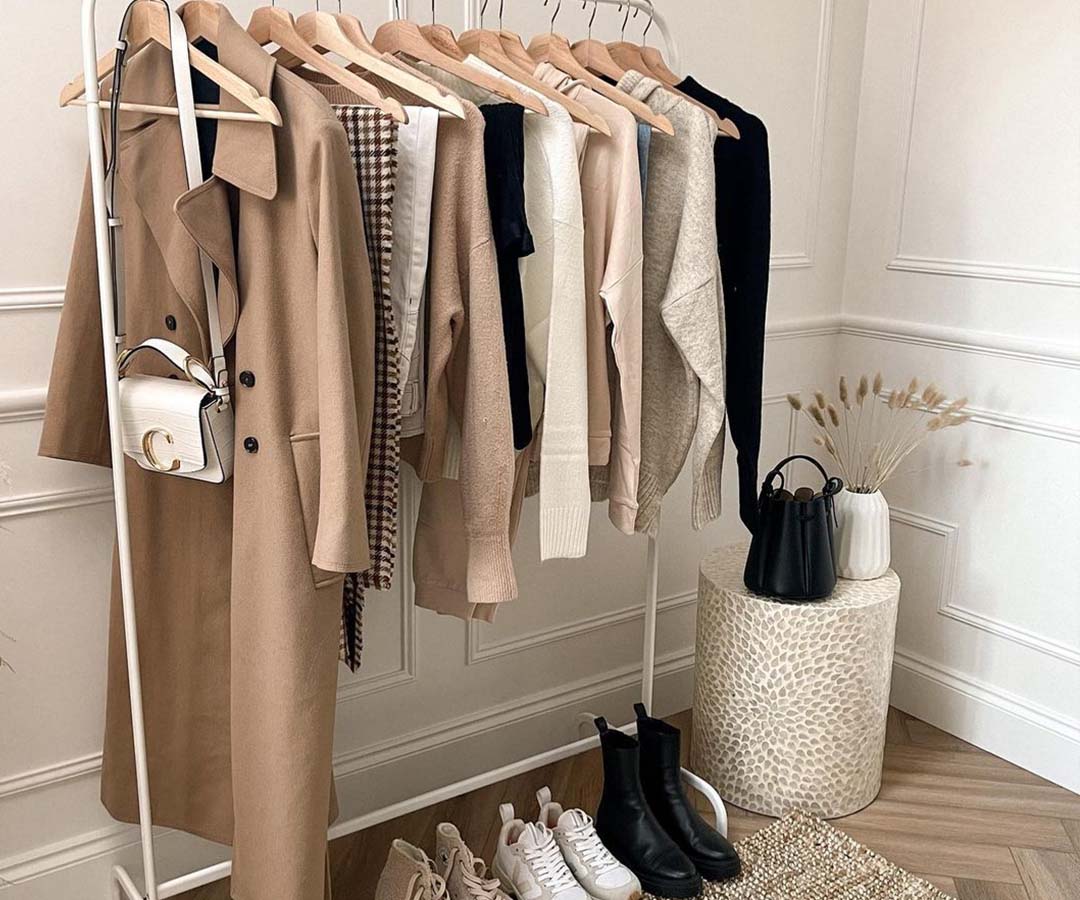
A baby capsule wardrobe is a small collection of comfortable clothes that mix and match easily, helping parents dress their baby throughout the week without buying too many outfits. In Kenya, where family budgets, weather and laundry routines differ, a practical capsule wardrobe should prioritise everyday essentials, breathable fabrics, a few warm layers and clothes that fit the baby now.
You do not need a large collection of matching outfits to dress your baby well. Start with a simple set of bodysuits, vests, sleepsuits, trousers, tops and weather-appropriate layers. Then build around your laundry schedule, your baby's age and the amount you can comfortably spend in Kenyan shillings (KSh).
What Is a Baby Capsule Wardrobe?
A baby capsule wardrobe is a limited collection of clothing pieces that work together. Instead of buying a different outfit for every day, you choose versatile basics that can be combined in several ways.
For example, a plain vest can go under a sleepsuit on a cool night or pair with trousers during a warmer day. A neutral-coloured top can match two or three bottoms, while a cardigan can be worn over several outfits.
The aim is not to make your baby’s wardrobe look fashionable at all times. It is to make daily dressing easier, reduce unnecessary purchases and help you get more use from each item.
A useful capsule wardrobe should be:
Practical: Suitable for changing nappies, feeding, sleeping and everyday movement.
Comfortable: Made from soft fabrics that are gentle on your baby's skin.
Versatile: Easy to combine with other clothes.
Weather-appropriate: Flexible enough for warm afternoons and cooler mornings or evenings.
Budget-conscious: Built gradually around essentials rather than impulse purchases.
How Many Baby Clothes Do You Really Need?
The right number depends on your baby's age, how often you do laundry, whether your baby frequently spits up or has nappy leaks, and whether you have access to a washing machine.
For a newborn, it is often more practical to start with a small collection and add pieces when you understand your baby's needs. Babies grow quickly, and buying too many items in one size can leave you with clothes that are barely worn.
The following list is a starting point for a family that can do laundry every two or three days. Adjust the quantities to suit your routine.
Clothing item Suggested starting quantity Why you need it
Bodysuits or vests 5–7 Everyday base layers
Sleepsuits 4–6 Sleeping and comfortable indoor wear
Tops 3–4 Easy daytime combinations
Trousers or leggings 3–4 Mix with different tops
Cardigans or light layers 1–2 Cooler mornings and evenings
Socks 3–4 pairs Useful when needed for warmth
Hats 1–2, if appropriate Outdoor protection when needed
Special-occasion outfit 0–1 Optional rather than essential
These are suggested quantities, not compulsory shopping targets. If you wash clothes daily, you may need fewer items. If laundry takes longer to dry or you cannot wash frequently, a few extra basics may be helpful.
You may also need fewer separate tops and trousers if most of your baby's wardrobe consists of sleepsuits or all-in-one outfits.
A KSh 5,000 Baby Capsule Wardrobe Budget
If your clothing budget is KSh 5,000, plan the spending before shopping rather than filling a basket with whatever looks attractive. The allocation below is an illustrative spending plan, not a verified price list. Check current prices and available sizes before buying.
Category Budget allocation What to prioritise
Bodysuits and vests KSh 1,250 Everyday essentials
Sleepsuits KSh 1,250 Comfortable sleep and indoor wear
Tops and bottoms KSh 1,000 Pieces that mix and match
Warm layers KSh 750 A cardigan or suitable extra layer
Socks and other small essentials KSh 250 Buy only what is needed
Reserve KSh 500 Price differences or an overlooked essential
Total planned budget KSh 5,000
Use these figures as spending limits for planning, not as a promise that a particular number of items will cost that amount. If the current prices exceed your allocation, prioritise the essentials and buy fewer items initially. Do not compromise on fit, safe sleepwear or fabric comfort simply to complete the list.
You can also set a lower budget and build the wardrobe in stages. Start with the clothing needed for the next few weeks, then add items as your baby grows or your needs become clearer.
Choose Colours That Mix and Match
One of the easiest ways to make a small wardrobe feel larger is to choose colours that work together.
You do not need to buy every item in white, beige or grey. Choose two or three main colours and add a few prints or brighter pieces that complement them.
For example, you could choose:
White, cream and soft grey as basic colours.
Navy, brown or green for trousers and other bottoms.
A few patterned tops or sleepsuits for variety.
If a top matches several bottoms, you can create different combinations without buying more clothes. You can use the same principle for cardigans and other layers.
When choosing colours, consider everyday practicality. Very light colours can show stains more easily, while busy prints may make small marks less noticeable. The best combination is one that suits your taste, laundry routine and budget.
Build Seven Days of Outfits From a Few Pieces
A capsule wardrobe works best when the clothes can be combined in different ways. Here is an example of how a small collection can provide variety throughout the week.
Day Example outfit
Monday Bodysuit with soft trousers
Tuesday Sleepsuit for a comfortable day at home
Wednesday Top with leggings
Thursday Bodysuit under a light layer when needed
Friday Sleepsuit or another comfortable everyday outfit
Saturday Top and trousers with a cardigan if it is cool
Sunday A favourite clean outfit from the existing collection
This is a flexible example, not a requirement to dress a baby differently every day. Repeating clean, comfortable clothes is perfectly practical. Babies do not need a new outfit for every occasion, and there is no need to buy special clothes just to fill a weekly schedule.
Always change clothes when they become wet, dirty or uncomfortable, and dress your baby according to the temperature rather than the day of the week.
Dress for Kenya's Changing Weather
Kenya has different climates, from cooler highland areas to warmer coastal regions. Even within one location, mornings, afternoons and evenings can feel different.
For Nairobi and other cooler highland areas
A practical wardrobe may include bodysuits, sleepsuits, trousers and one or two suitable layers. During cooler periods, dress your baby in comfortable layers that can be added or removed as the temperature changes.
Check your baby's chest or back to judge warmth rather than relying only on cold hands or feet. Avoid overheating, particularly during sleep.
For more local guidance, read the guide to dressing your baby for Nairobi weather.
For warmer coastal and lowland areas
Prioritise lightweight, breathable clothing and avoid unnecessary layers when the weather is hot. Keep your baby out of direct sun where possible, and choose suitable sun protection for outdoor outings.
A thick wardrobe of warm clothes may not be useful if your baby spends most of the time in a warm environment. Buy for the weather your baby actually experiences rather than purchasing every item on a generic newborn list.
For sleeping
Daytime outfits and sleepwear do not have to be separate collections if you choose versatile pieces. However, safe sleep practices matter more than matching colours or designs.
Use a firm, flat sleep surface and keep the baby's sleep space free of loose blankets and other soft items. Dress your baby appropriately for the room temperature and avoid excessive layers.
See the baby safe-sleep and sleepwear guide for more information.
How to Save Money When Buying Baby Clothes
Buy for the baby's current size
It can be tempting to buy several larger sizes because babies grow quickly. A few items in the next size may be useful, but most of your budget should go towards clothes that fit comfortably now.
Check the size label and the garment's actual fit. Sizing varies by brand, so do not assume that every item marked for the same age will fit identically.
The Baby Clothing Size Guide for Kenya can help you understand sizing and measuring before you shop.
Prioritise everyday basics
Bodysuits, vests, sleepsuits and simple bottoms are often more useful in a small wardrobe than multiple elaborate outfits. Start with the clothes your baby will wear most frequently.
Special-occasion clothing can be added later if you have room in the budget. You do not need matching sets, shoes for a baby who is not walking, or accessories that serve little practical purpose.
Compare cost per use
A low purchase price does not always make an item the best value. Consider whether the garment is comfortable, easy to wash, durable enough for repeated wear and likely to fit for a reasonable period.
For example, if two items have similar prices, the one that works with several outfits may offer more value than a piece that matches only one set.
Avoid buying clothes solely because they are discounted. A discount does not save money if the item is never worn.
Consider suitable pre-loved clothes
Clean, good-condition pre-loved baby clothes can help stretch a budget. Inspect them for loose buttons, broken fasteners, damaged seams, rough patches and other hazards before use.
Wash the clothes before dressing your baby in them. Avoid items with damaged cords, detachable decorations or features that could pose a safety risk. For sleepwear, check that the item is appropriate for its intended use and fits correctly.
Plan around laundry
Laundry frequency affects how many clothes you need. If you can wash and dry clothes regularly, a smaller wardrobe may be sufficient. If drying takes longer during rainy weather or you have limited washing facilities, a few additional basics may prevent unnecessary stress.
Buy according to your real routine rather than a list that assumes every family has the same facilities.
Common Baby Wardrobe Budget Mistakes to Avoid
Buying too many newborn-size clothes: Your baby may outgrow them quickly, so avoid purchasing large quantities before you know how the fit works.
Choosing appearance over comfort: Soft, practical clothes are usually more useful than elaborate outfits that are difficult to change.
Ignoring the weather: A wardrobe designed for a cool highland home may not suit a warm coastal environment.
Buying complete matching sets only: Individual tops, bottoms and layers can create more combinations when they coordinate.
Forgetting room for growth: Leave a small reserve for replacing outgrown items or buying an extra essential when a genuine need arises.
Buying everything before the baby arrives: Start with a practical foundation, then adjust after you learn about your baby's size, laundry needs and daily routine.
Frequently Asked Questions
What is the ideal number of clothes for a newborn in Kenya?
There is no single ideal number. A small starting collection of bodysuits, sleepsuits, tops, bottoms and a few suitable layers can work well if you wash regularly. Adjust the quantities for your baby's needs, local weather and laundry routine.
How much should I budget for a baby capsule wardrobe in Kenya?
Your budget depends on the brands, sizes, number of items and whether you buy new or suitable pre-loved clothes. You can use a target such as KSh 5,000 to plan how much to allocate to each category, then confirm current prices before purchasing. Treat the target as a spending plan rather than a guaranteed market price.
Which baby clothes should I buy first?
Start with comfortable bodysuits or vests, sleepsuits, a few tops and bottoms, and suitable layers for your local climate. Add other items according to your baby's age, routine and needs.
Should I buy clothes in larger sizes to save money?
You can buy a few items in the next size if your budget allows, but do not buy so many that your baby has nothing suitable to wear now. Clothes should fit safely and comfortably, without being excessively tight or loose.
Are expensive baby clothes better?
Not necessarily. Look at comfort, fit, construction, ease of washing and how often the item will be worn. A simple garment that works with several other pieces may offer better value than a more expensive outfit used only once.
How can I keep a baby wardrobe affordable as my baby grows?
Buy essentials first, check the current size before shopping, choose coordinating colours, consider safe pre-loved clothes and review the wardrobe before each new purchase. Replace outgrown items gradually instead of buying a complete new collection at once.
Final Thoughts
Building a baby capsule wardrobe on a budget is about making thoughtful choices, not buying the fewest clothes possible. Choose versatile everyday essentials, account for Kenya's local weather, plan around your laundry routine and set a realistic KSh spending limit before shopping.
Start small, keep track of what your baby actually wears, and add items only when a need becomes clear. A comfortable, practical wardrobe can serve your family well without filling cupboards with clothes your baby may outgrow before wearing.
Shopping for your little one?
Browse the collection