
8 Oct 2026
Bottles and Teats by Age: Sizes, Flow Rates and How Many You Need
Compare baby bottle sizes and teat flow rates by age, understand anti-colic bottle features and work out how many bottles you may actually need.
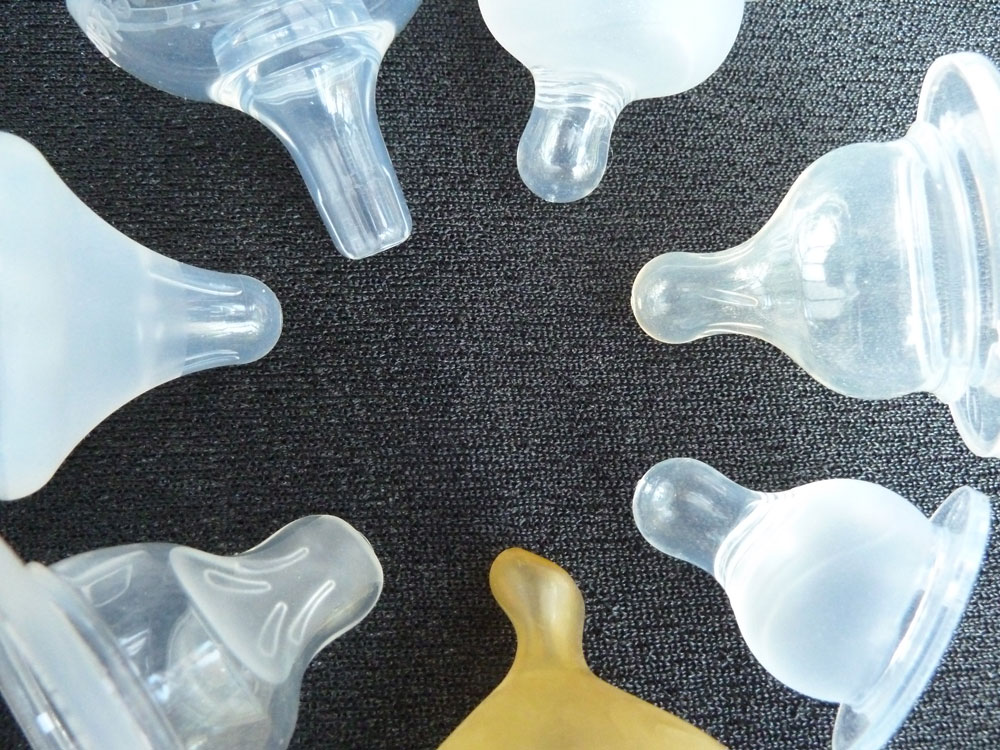
Choosing baby bottles and teats is easier when you understand how bottle capacity, teat flow and your baby's feeding pattern work together. A newborn usually needs a slower teat flow, while older babies may move to a faster flow as their feeding skills develop, but the correct stage varies by brand and by baby.
For parents comparing baby bottle sizes, the most useful approach is to look at the bottle's capacity, the manufacturer's recommended age or flow stage, and your baby's feeding behaviour rather than choosing a teat simply because your baby has reached a particular month.
Baby Bottle Sizes by Age
Baby bottles come in different capacities. Smaller bottles can be convenient for newborn feeds, while larger bottles may become useful as milk intake increases.
There is no universal bottle size that every baby should use at a particular age.
A practical guide is:
Baby's stage Bottle size to consider What to look for
Newborn Smaller-capacity bottle Easy handling and slow-flow teat
Early infancy Small to medium capacity Comfortable feeding and appropriate teat flow
Older infant Medium to larger capacity Capacity that suits the baby's usual feed
Toddler Depends on feeding routine Bottle or alternative cup according to developmental stage
The exact capacity you need depends on how much your baby takes at each feed and whether the bottle is being used for expressed breast milk, formula or another appropriate milk feed.
What Does Teat Flow Rate Mean?
Teat flow rate refers to how quickly milk passes through the teat.
Manufacturers commonly offer stages such as:
Slow flow
Medium flow
Fast flow
Some brands use numbers, while others use labels such as newborn, slow, medium or fast.
This means a "Stage 2" teat from one brand should not automatically be assumed to have exactly the same flow as a Stage 2 teat from another brand.
Always check the manufacturer's instructions.
Teat Flow Rate by Age
Age can provide a starting point, but it should not be the only factor when choosing a teat.
A general guide is:
Age Typical teat consideration Important note
Newborn Slow flow Helps prevent milk flowing too quickly
Around 1–3 months Slow or next-stage flow Follow baby's feeding cues and manufacturer guidance
Around 3–6 months Medium or next-stage flow Only increase if the current flow seems unsuitable
6 months+ Faster flow may be available Age guidance varies by brand and baby
These are general ranges, not medical requirements. Some babies remain comfortable with a slower teat for longer, while others may need a different flow.
How Do You Know When to Change Teat Flow?
The best indicator is often how your baby feeds.
A teat may be too slow if your baby:
Takes an unusually long time to finish a feed
Becomes frustrated during feeding
Sucks hard without getting enough milk
Falls asleep from the effort of feeding
Frequently pulls away from the bottle
However, these signs can have other causes. A baby may also feed slowly because they are tired, unwell, distracted or experiencing another feeding issue.
A faster teat may be too fast if your baby:
Coughs during feeds
Chokes or splutters
Gags
Has milk leaking from the mouth
Swallows very rapidly
Appears overwhelmed by the flow
If you notice persistent feeding difficulties, speak to a qualified healthcare professional or feeding specialist.
Should You Move Up Teat Flow Just Because Your Baby Is Older?
Not necessarily.
Age ranges printed on packaging are useful guidance, but babies develop at different rates.
If your baby is feeding comfortably with the current teat, there may be no reason to move to a faster flow simply because the package recommends a higher age.
Changing to a faster teat too early can make the milk flow faster than your baby can comfortably manage.
What Are Anti-Colic Bottles?
Anti-colic bottles are designed with features intended to reduce the amount of air a baby takes in during feeding.
Different manufacturers use different designs, including:
Special vents
Internal valves
Venting systems
Specially shaped teats
Air-flow mechanisms
The design differs between brands, so parents should check the manufacturer's instructions before buying.
An anti-colic bottle may be useful for some babies, but it is not a guarantee that a baby will never experience wind, reflux or discomfort.
If your baby has persistent digestive symptoms, seek professional advice rather than relying solely on a bottle design.
Do Anti-Colic Bottles Really Help?
They may help some babies, but there is no single bottle that works perfectly for every child.
When considering an anti colic bottle Kenya shoppers can compare, look at:
How the vent or valve works
How easy the bottle is to clean
Whether replacement teats are available
The available teat flow stages
Bottle capacity
Whether the bottle is easy to hold
Manufacturer cleaning instructions
A complicated bottle is not necessarily a better bottle if it is difficult to clean properly.
How Many Bottles Does a Newborn Need?
The number of bottles you need depends on how frequently your baby feeds, whether you breastfeed, express milk or use formula, and how often you want to wash bottles.
For parents asking how many bottles newborn babies need, a practical starting point is to have enough bottles to cover several feeds without creating a large stockpile.
Feeding routine Practical planning approach
Occasional bottle feeding A small number may be enough
Combination feeding Several bottles can make daily routines easier
Frequent bottle feeding More bottles can reduce the need for constant washing
Exclusive bottle feeding Plan around the baby's feeding routine and your washing schedule
There is no universal number that every household needs.
Should You Buy Lots of Bottles Before the Baby Arrives?
It is usually sensible to avoid buying a large collection before you know which bottle your baby will accept comfortably.
Babies can have different preferences for:
Teat shape
Teat material
Flow rate
Bottle shape
Bottle size
A bottle that looks ideal in the shop may not be the easiest one for your baby to use.
Starting with a smaller selection allows you to see what works before spending more money.
How Many Teats Do You Need?
Ideally, have enough replacement teats to maintain your feeding routine while others are being washed or replaced.
The number depends on how frequently you use bottles.
More importantly, check the teat regularly for signs of damage or deterioration.
Replace teats according to the manufacturer's instructions and sooner if they become damaged.
When Should You Replace a Teat?
Inspect teats regularly.
Replace one if you notice:
Cracks
Tears
Splitting
Changes in shape
Damage around the opening
Sticky or deteriorating material
Other signs of wear
Do not try to repair a damaged teat.
A damaged teat can affect feeding and may create a safety concern.
Bottle Size vs Teat Flow: What Is the Difference?
These two features are easy to confuse.
Bottle size refers to how much liquid the bottle can hold.
Teat flow refers to how quickly milk passes through the teat.
A larger bottle does not automatically need a faster-flow teat.
Similarly, a baby using a small bottle may still require a different teat flow depending on the product and feeding pattern.
Choose each component separately according to your baby's needs and the manufacturer's guidance.
How to Choose Baby Bottles in Kenya
When shopping for baby bottles in Kenya, compare more than the appearance of the bottle.
Look at:
Bottle capacity
Teat flow stages
Teat availability
Replacement parts
Cleaning instructions
Sterilisation instructions
Bottle material
Ease of handling
Anti-colic design, if required
Current price
Replacement teats are particularly important.
A bottle may be inexpensive initially but less convenient if replacement teats are difficult to find.
Bottle Hygiene Matters More Than Bottle Features
A bottle with multiple features is not useful if it cannot be cleaned properly.
After feeding, separate the bottle components according to the manufacturer's instructions.
Clean:
Bottle
Teat
Cap
Ring
Valve or vent components
Pay particular attention to areas where milk can become trapped.
Follow the manufacturer's instructions for sterilising the equipment.
For more guidance, see our guide to preparing baby bottles safely.
How to Make Night Feeds Easier
Night feeds can be easier when your bottle-feeding equipment is organised before you need it.
Keep clean feeding equipment together and follow your normal preparation routine.
If using formula, prepare each feed according to the manufacturer's instructions rather than preparing bottles in advance unless the instructions specifically allow for safe storage.
Avoid shortcuts such as:
Reusing an unfinished feed
Guessing powder measurements
Using an unwashed bottle
Using a damaged teat
Changing the formula concentration
A simple routine is usually safer than trying to save time by skipping hygiene steps.
Signs Your Baby May Need Feeding Support
Not every feeding problem is caused by the bottle or teat.
Speak to a qualified healthcare professional if your baby regularly:
Coughs or chokes during feeds
Struggles to coordinate sucking, swallowing and breathing
Takes an unusually long time to feed
Frequently refuses feeds
Has persistent vomiting
Is not gaining weight as expected
Appears distressed during most feeds
Do not keep changing bottles and teat flow rates repeatedly without investigating the underlying issue.
A Simple Bottle Shopping List
If you are preparing for a newborn, start with the basics rather than buying every available bottle feature.
Consider:
A small selection of bottles
Appropriate newborn teats
Replacement teats
Bottle-cleaning equipment
Sterilising equipment or a suitable sterilising method
A safe place to store clean equipment
You can add more bottles once you understand your baby's feeding routine.
For parents preparing for a newborn, our Newborn Clothing Checklist for Kenya can also help you plan other essentials without overbuying.
Frequently Asked Questions
What bottle size is best for a newborn?
A smaller-capacity bottle can be convenient for newborn feeds, but the appropriate size depends on the baby's feeding pattern and the manufacturer's recommendations.
What teat flow should a newborn use?
Newborns commonly start with a slow-flow teat. However, flow stages vary between brands, so check the manufacturer's age guidance and watch how your baby feeds.
When should I move to a faster teat?
Move only when the current flow appears unsuitable and the manufacturer's guidance supports changing. Signs of a flow that is too slow can include frustration and very long feeds, while coughing or milk leaking from the mouth can indicate that the flow is too fast.
Are anti-colic bottles necessary?
Not necessarily. Anti-colic bottles have features designed to manage air during feeding, but babies respond differently. Choose a bottle that is practical to clean and appropriate for your baby's feeding needs.
How many bottles does a newborn need?
There is no fixed number. Occasional bottle feeding requires fewer bottles than exclusive bottle feeding. Your washing routine and feeding frequency should guide how many you buy.
How often should baby bottle teats be replaced?
Inspect teats regularly and replace them according to the manufacturer's recommendations or immediately if they become cracked, torn, damaged or deteriorated.
Final Guide to Bottles and Teats by Age
Choosing bottles does not have to mean buying the most expensive or most advanced option. Start with an appropriate bottle capacity, a suitable teat flow and a manageable number of bottles.
As your baby grows, use feeding behaviour and manufacturer guidance to decide whether a different teat flow or bottle size is appropriate. Most importantly, keep bottles and teats clean, replace damaged equipment and seek professional advice when persistent feeding difficulties occur.
Shopping for your little one?
Browse the collection